
Enhancing Productivity Through Human Interface with AI Strategies
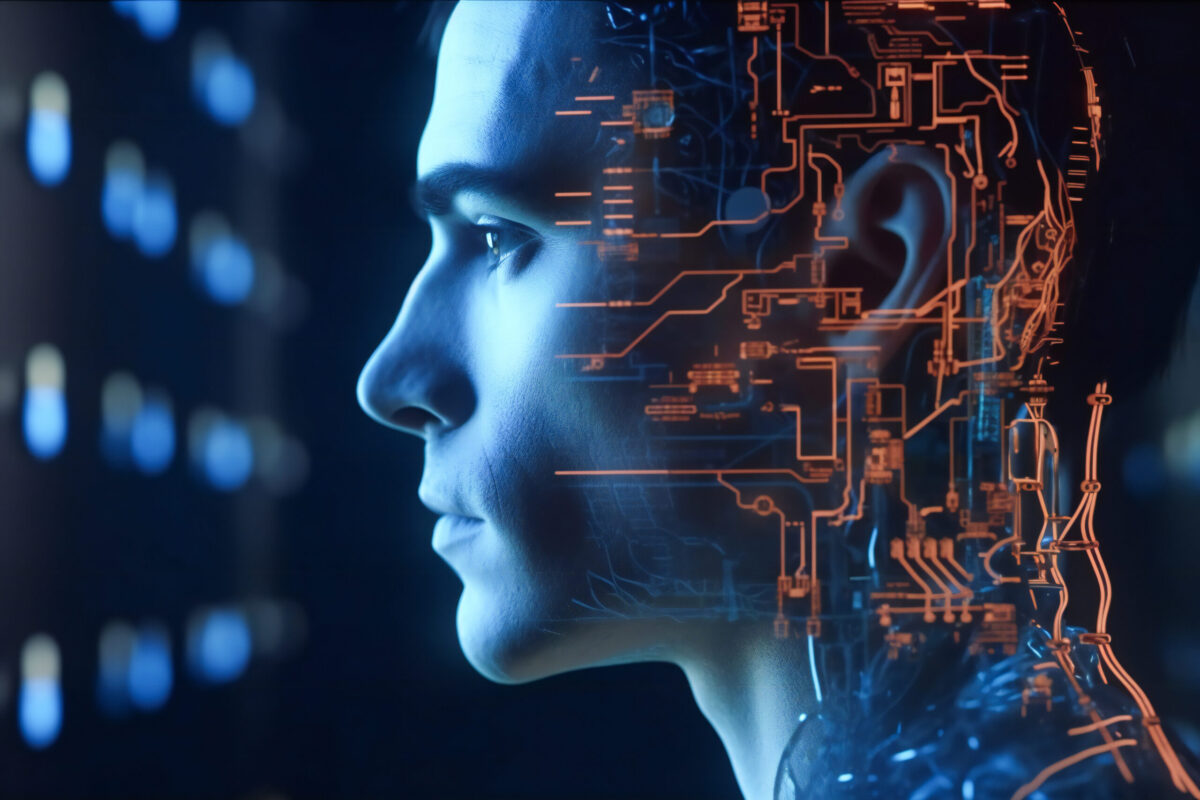
Understanding the Human Interface with AI
The interaction between humans and artificial intelligence (AI) has become a significant field of study and application in various sectors. Understanding the Human Interface with AI is essential for businesses aiming to enhance productivity and streamline operations. This synergy is reshaping norms, workflows, and expectations in the digital age.
The Definition of Human Interface with AI
The Human Interface with AI can be defined as the point of interaction between human users and AI systems, focusing on how users engage with AI technologies. This interface can take various forms, including voice commands, chatbots, visual dashboards, and augmented reality elements. The primary goal is to create intuitive, efficient interactions that enhance user satisfaction while maintaining effectiveness and usability in particular applications.
Historical Context and Development
The concept of human-computer interaction dates back to the early days of computing when users interacted through command lines and limited interfaces. As technology advanced, graphical user interfaces (GUIs) emerged, allowing for more user-friendly interactions with computers.
The integration of AI into these interfaces began gaining momentum in the late 20th century with the development of machine learning algorithms and natural language processing. Today’s AI systems can analyze massive datasets and learn from user interactions, thus enabling more sophisticated responses and functionalities. The trajectory from basic computer interaction to the advanced Human Interface with AI reflects significant technological advancements alongside deeper understanding of human behavior and cognitive science.
Current Trends in Interaction Design
Recent trends in interaction design showcase enrichments in the Human Interface with AI. Key developments include:
- Voice Recognition: Smart assistants like Siri and Alexa have popularized voice-based interactions, making technology more accessible.
- Conversational Interfaces: Chatbots and virtual agents that engage users in dialogue are now common, allowing for dynamic and responsive interactions.
- Augmented Reality (AR): AR interfaces provide immersive experiences, blending digital information into the user’s real-world environment.
- Personalization: AI enables tailored experiences based on user behavior and preferences, enhancing engagement and satisfaction.
Benefits of Human Interface with AI in Business
Efficiency and Productivity Gains
One of the fundamental benefits of integrating Human Interface with AI into business is the significant boost in efficiency and productivity. AI-powered tools can automate repetitive tasks, allowing human resources to focus on more strategic activities. For example, AI systems can manage data entry or schedule meetings, dramatically reducing the time employees spend on administrative responsibilities. As a result, companies can achieve higher output with the same workforce, translating directly to improved bottom lines.
Improving Customer Experience and Engagement
The Human Interface with AI is revolutionizing customer interactions. Businesses can leverage AI to offer personalized service that delights clients. For instance, retail brands often utilize AI-driven analytics to recognize shopping patterns and suggest tailored products to users, enhancing the shopping experience. Additionally, AI chatbots allow businesses to provide immediate responses to customer inquiries, improving overall service effectiveness and keeping customers engaged. Studies indicate that over 60% of consumers prefer interacting with chatbots for quick service, emphasizing their value in facilitating seamless connections.
Cost-Effectiveness of Implementing AI Solutions
Investing in AI solutions can yield considerable cost savings over time. Automating functions such as customer support and data management can reduce labor costs. Moreover, AI can minimize errors, streamline operations, and predict market changes, allowing businesses to make informed decisions that optimize resource allocation. For instance, predictive maintenance in manufacturing prevents costly downtimes, showcasing how effectively applied AI can provide a substantial return on investment.
Best Practices for Implementing Human Interface with AI
Design Principles for Effective Interactions
To successfully implement Human Interface with AI, businesses must adhere to key design principles. These principles include simplicity, clarity, and user-centricity. Interfaces should be intuitive, requiring minimal user training. Additionally, feedback mechanisms, where users receive information about the results of their interactions with AI, significantly enhance usability. Conducting user testing and incorporating iterative design can ensure products meet user needs effectively while remaining easy to navigate.
Integrating AI with Existing Workflows
Integrating AI solutions into existing workflows requires strategy and careful planning. Ideally, businesses should conduct a thorough analysis of their current processes to identify areas where AI can add value. Step-by-step integration, starting with pilot projects, can mitigate resistance to change. Using existing software tools can aid this integration, pairing AI with established systems to create a more efficient hybrid model that blends human capabilities with AI functionalities.
Training Employees for New Technology
Manpower is at the core of successful AI implementation. Training employees is critical in familiarizing them with the new technology and alleviating fears associated with AI taking over jobs. Workshops and continuous educational resources can empower employees to understand AI’s potential, thus fostering an organizational culture that embraces innovation. Additionally, getting feedback from employees during training sessions can improve the implementation process and yield better results.
Common Challenges in Human Interface with AI Adoption
User Resistance and Adaptation Issues
Resistance from users is a common barrier when adopting new technology. The human inclination to resist change can stem from fears of the unknown or concerns about job security. To counteract this, businesses can involve employees early in the integration process, gathering their insights and feedback. Providing assurance about the supportive role of AI in enhancing their work rather than replacing them can help alleviate fears and foster acceptance.
Data Privacy and Security Concerns
AI systems often work by processing vast amounts of data, presenting challenges related to data privacy and security. Businesses must prioritize strong data governance frameworks, becoming transparent with users about data usage. Ensuring adherence to legal and ethical standards can facilitate trust and provide a safer environment for AI implementation. Regular audits and updates to security measures will also mitigate potential risks associated with data breaches.
Balancing Human Input and AI Decisions
Creating an optimal balance between human input and AI-based decisions maintains the quality of outcomes. While AI can analyze data and produce insights rapidly, human intuition and experience are irreplaceable in many contexts. It is vital to implement hybrid decision-making models, leveraging the strengths of both elements. Allowing human oversight in AI-generated recommendations ensures that final decisions remain grounded in real-world understanding and context.
The Future of Human Interface with AI
Emerging Technologies and Innovations
The future of Human Interface with AI is promising, with emerging technologies such as quantum computing and advanced neural networks poised to revolutionize the space further. These advancements will lead to even more powerful AI, enabling richer and more complex human interactions. The potential for AI to simulate emotional intelligence will make interfaces deeply responsive to human behavior, creating an intuitive engagement experience.
Speculative Trends in User Interaction
As technology evolves, we can speculate on trends that will shape user interactions. Gesture recognition, eye tracking, and brain-computer interfaces may redefine how users communicate with technology. Such interfaces could render traditional devices obsolete, ushering in an era where thoughts, gestures, or subtle behaviors control AI systems, further blurring the lines between human intention and machine response.
The Role of Ethics in AI Development
With the increasing prevalence of AI technologies comes the necessity for a robust ethical framework guiding AI development. Issues related to bias, transparency, and accountability must be addressed proactively. Businesses need to adopt ethical guidelines that promote fairness, ensure the mitigation of bias in AI algorithms, and encourage transparency about AI’s decision-making processes. Engaging a diverse group of stakeholders in AI discussions can foster accountability and uphold ethical standards across the industry.
FAQs about the Human Interface with AI
What is the Human Interface with AI?
The Human Interface with AI refers to the ways humans interact with AI systems, including chatbots, voice assistants, and visual dashboards, aiming for usability and effectiveness.
How can businesses benefit from AI?
Businesses can benefit from AI through increased efficiency, enhanced customer experience, and reduced costs, as AI automates tasks and provides personalized interactions.
What challenges do companies face when adopting AI?
Companies often face challenges like user resistance, data privacy concerns, and finding the right balance between human input and AI decision-making when adopting AI.
What are best practices for AI implementation?
Best practices include designing intuitive interfaces, integrating with current workflows, and providing ongoing training for employees to ensure effective adoption.
What is the future of the Human Interface with AI?
The future includes innovations in gesture recognition, emotional intelligence in AI, and a strong focus on ethical development and deployment of AI technologies.