Understanding Marginal Pond Plants: Essential Knowledge
Marginal pond plants are a crucial component of any water garden, serving both aesthetic and ecological purposes. These plants thrive in shallow water, typically less than 12 inches deep, and are found around the edges of ponds and water features. If you're considering enhancing your aquatic landscape, it's essential to understand what these plants are, their benefits, and how to successfully incorporate them into your pond. When exploring options, Buy Marginal Pond Plants that will not only beautify your garden but also support the local ecosystem.
What Are Marginal Pond Plants?
Marginal pond plants, often referred to as emergent plants, are species that grow at the water’s edge. Their roots are submerged, but their foliage emerges above the waterline. These plants play a vital role in the ecological balance of ponds by providing habitat and food for wildlife, reducing erosion, and improving water quality. Examples include cattails, irises, and rushes, each offering unique characteristics and benefits.
Benefits of Incorporating Marginal Plants in Your Pond
Integrating marginal pond plants into your water garden yields numerous benefits:
- Habitat Creation: These plants provide shelter and breeding grounds for aquatic wildlife, including amphibians and beneficial insects.
- Water Quality Improvement: Many marginal plants absorb excess nutrients, helping to prevent algae blooms and maintain a balanced ecosystem.
- Erosion Control: The root systems of marginal plants stabilize the soil, reducing erosion caused by wave action and rain.
- Aesthetic Appeal: They enhance the visual dynamics of your garden, adding color and texture throughout the seasons.
Common Types of Marginal Pond Plants to Consider
When selecting marginal plants for your pond, consider the following popular species:
- Cattail (Typha spp.): Recognizable by its tall stature and iconic flower spikes, cattails are excellent for wildlife habitat.
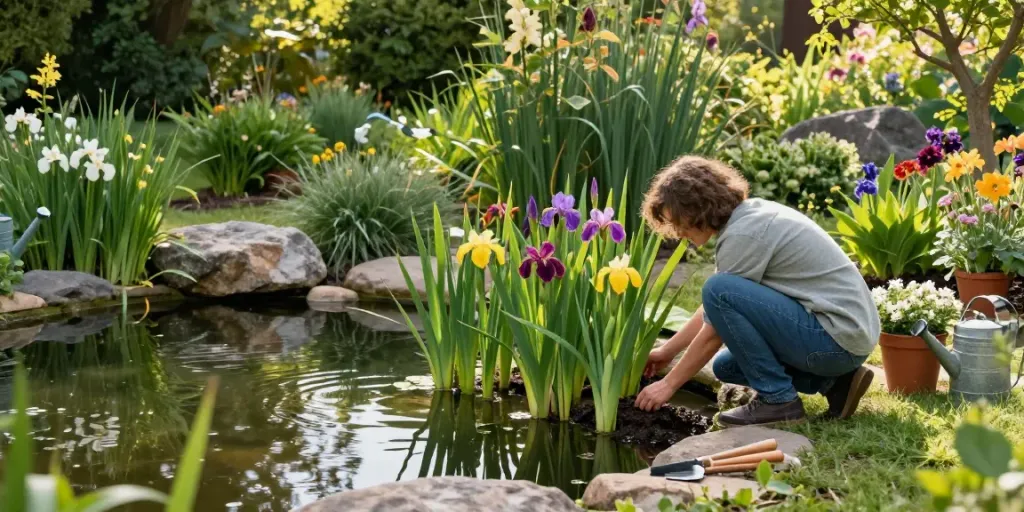
- Water Iris (Iris pseudacorus): Known for stunning flowers, this plant thrives in wet conditions and offers vibrant colors.
- Pickerel Rush (Pontederia cordata): Ideal for attracting pollinators, this plant features beautiful spikes of blue flowers.
- Blue Flag Iris (Iris versicolor): This native species adds a burst of blue or purple and thrives in moist soils.
How to Buy Marginal Pond Plants: The Practical Approach
Buying marginal pond plants involves understanding your specific needs, preferences, and local climate conditions. You can choose to shop at local nurseries or online retailers, each offering unique advantages. Explore various platforms to find the best options and prices for your pond.
Choosing the Right Plants for Your Water Garden
When selecting marginal plants, consider factors such as your pond's depth, sunlight exposure, and local wildlife. It’s important to choose native varieties whenever possible, as they are typically better adapted to local climates and ecosystems. Additionally, assess the size of your pond; some plants may become invasive if not properly managed.
Where to Buy Marginal Pond Plants: Online vs Local Nurseries
Both online and local sources offer various options for purchasing marginal pond plants. Local nurseries allow you to inspect the plants in person and often provide expert advice tailored to your region. Online retailers often have a broader selection, including more rare and unique species. Websites often share customer reviews that can guide your decision-making process.
Pricing Insights: What to Expect in 2026
As the demand for sustainable gardening practices grows, the market for marginal pond plants is expected to evolve. Prices may fluctuate based on availability and demand. Typically, expect to pay between $5 and $20 per plant, depending on the species and size. Keep an eye out for seasonal sales, especially during spring and early summer, for the best deals.
Planting and Caring for Marginal Pond Plants
Once you've selected your marginal plants, proper planting and care are essential for thriving growth. Understanding how to plant and maintain these plants will ensure that your water garden flourishes year after year.
Best Practices for Planting Marginal Plants
To plant marginal pond plants successfully, begin by preparing a suitable planting area. Ensure the soil is moist and rich in nutrients. Follow these steps for optimal results:
- Dig a hole deep enough to accommodate the plant's root system.
- Place the plant in the hole and fill it with a mixture of aquatic soil and clay to secure it.
- Position the plant at the correct depth—typically between 4 to 12 inches of water above the roots.
- Water the plant thoroughly after planting to eliminate air pockets.
Maintenance Tips for Healthy Growth
Regular maintenance is crucial for the longevity of marginal plants. Here are some tips:
- Watering: Ensure that the soil remains consistently moist, especially during dry spells.
- Fertilizing: Use slow-release aquatic fertilizers during the growing season to promote healthy growth.
- Pruning: Remove dead or yellowing leaves to enhance appearance and prevent disease.
Common Challenges and How to Overcome Them
Marginal plants can sometimes face challenges such as pests or disease. Keep an eye out for signs of trouble:
- Pest Infestation: Insects such as aphids can affect plant health; consider organic insecticides if needed.
- Disease Management: Fungal diseases can occur in overly wet conditions; ensure good water circulation.
- Overgrowth: Some species can become invasive; monitor growth and thin plants as needed.
Enhancing Your Pond with Marginal Plants
Integrating marginal plants into your pond isn't just about populating the edges—it's about creating a balanced ecosystem and an aesthetically pleasing environment. Here’s how to do it effectively.
Creating a Balanced Ecosystem
The presence of marginal plants helps create a balanced aquatic ecosystem. They act as natural filters, removing excess nutrients from the water and creating habitats for various aquatic life forms, including frogs and dragonflies, which contribute to a healthy water garden.
Designing Aesthetically Pleasing Water Gardens
To design visually appealing water gardens, consider the height, color, and bloom time of various marginal plants. Group plants in clusters for visual impact, and mix different species to ensure year-round interest and beauty.
Integrating Marginal Plants with Other Aquatic Flora
Marginal plants work beautifully in conjunction with other aquatic flora such as submerged and floating plants. For instance, pairing them with water lilies or oxygenating plants can create a diverse and harmonious water feature that supports your pond's health and enhances its appearance.
Future Trends: The Evolution of Marginal Pond Plants in Gardening
As gardening trends continue to evolve, the use of marginal plants will likely adapt to include more sustainable practices and innovative designs. Here’s what the future may hold.
Innovative Approaches to Water Gardening in 2026
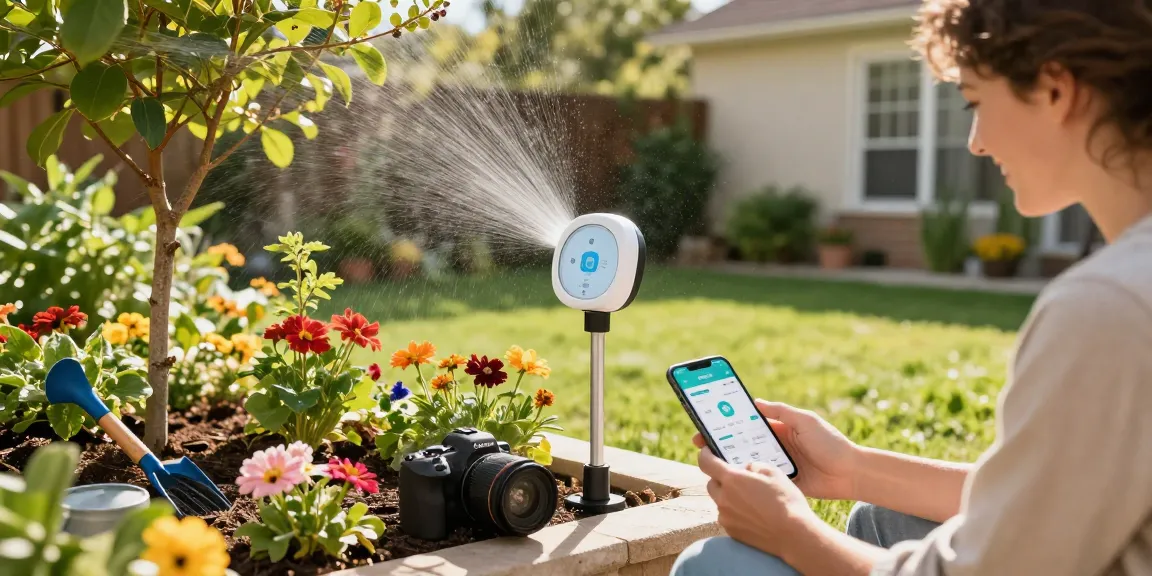
In 2026, expect to see more gardeners embracing permaculture principles in their water gardens. This includes choosing native species that require less maintenance and integrating technology, such as automated watering systems, to ensure optimal plant health.
Sustainable Practices for Marginal Plant Care
With a growing emphasis on sustainability, practices that reduce chemical usage and promote biodiversity will become more mainstream. Consider organic gardening techniques and companion planting to create a thriving aquatic ecosystem.
Expert Insights: The Future of Aquatic Plant Selection
Experts predict a shift towards more dynamic plant selections that cater to local climates. This trend will encourage gardeners to explore lesser-known species that may offer unique adaptations and benefits for diverse water gardens.
What are the best seasonal times to buy marginal pond plants?
The optimal time to buy marginal pond plants is in early spring through early summer when they are actively growing and readily available at nurseries and online. Purchasing during this season ensures you have the best selection and the plants have time to establish themselves before the peak growing season.
How do I know if my pond is suitable for marginal plants?
To determine if your pond is suitable for marginal plants, assess the depth of the water, sunlight exposure, and water quality. Marginal plants prefer shallow areas with access to sunlight and nutrient-rich soil. Conduct a water test to check for appropriate pH and nutrient levels.
Can marginal plants improve water quality in my pond?
Yes, marginal plants can significantly improve water quality by absorbing excess nutrients, thereby reducing the likelihood of algae blooms. Their root systems also help to filter pollutants, making them an essential component of a healthy aquatic environment.
What are some common misconceptions about marginal pond plants?
A common misconception is that marginal plants require constant water levels. In reality, they are quite adaptable and can thrive in fluctuating water conditions as long as their roots remain submerged. Another myth is that they are too high-maintenance; many species are hardy and require minimal care.
How do I properly maintain marginal pond plants throughout the year?
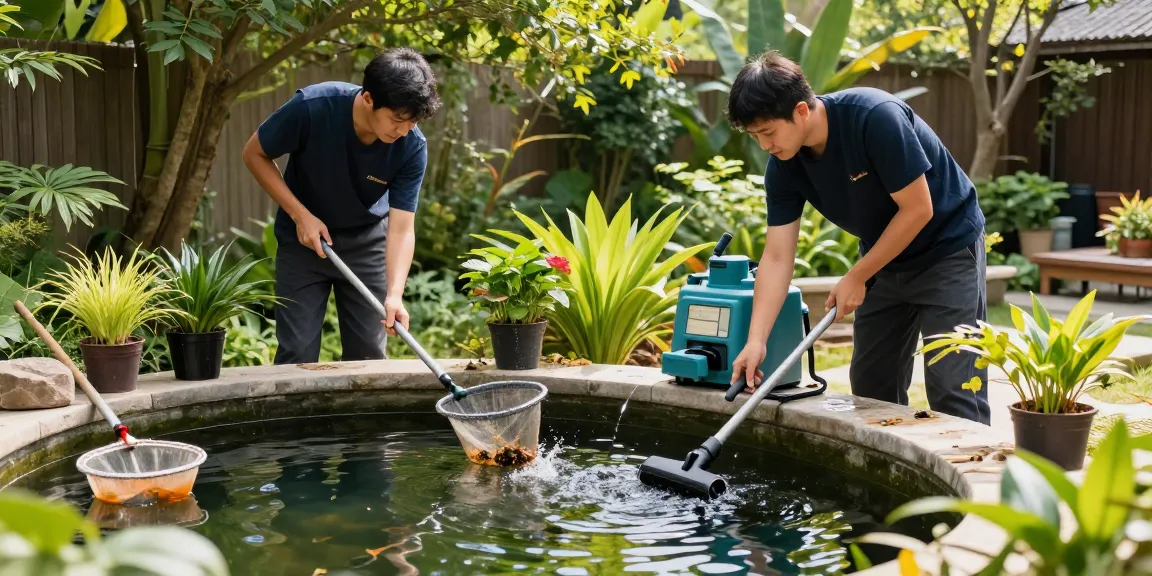
Maintaining marginal pond plants throughout the year involves seasonal care practices. In the spring, clean the area around the plants and prune any dead foliage. During the summer, ensure that they have enough moisture and nutrients. In autumn, consider dividing overcrowded plants and removing decaying material to prepare for winter.