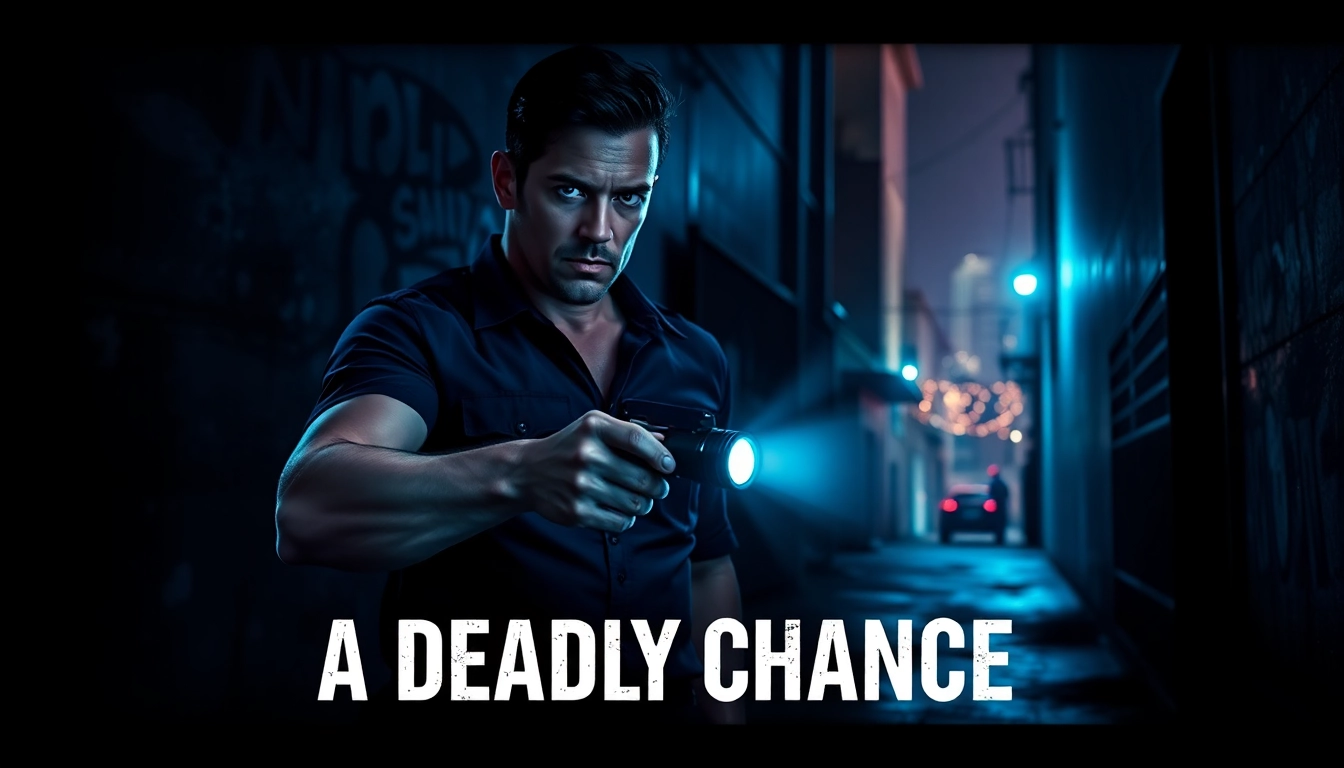
The Premise of A Deadly Chance
At the heart of A Deadly Chance lies a gripping narrative woven with the complexities of human emotion set against a backdrop of action and suspense. The story follows Chance Freeman, a former LAPD SWAT officer known for operating outside of the legal boundaries, balancing high-stakes jobs with a reckless charm that keeps readers at the edge of their seats. Chance finds himself ensnared in a mysterious case that spirals into a thrilling web of deceit, betrayal, and potential redemption. This multi-layered premise is not only captivating but also explores themes deeply rooted in morality and the choices we make when faced with dire circumstances.
Understanding the Characters
Characters play a vital role in driving the narrative forward, and in A Deadly Chance, they are complex and multidimensional. Chance Freeman serves as the protagonist, embodying the archetype of a flawed hero. His background as a SWAT officer imbues him with skills necessary for survival but also contributes to his internal conflict regarding lawfulness and personal ethics. As the story unfolds, we also meet a range of supporting characters, each adding depth and richness to the narrative. For instance, the mysterious woman whose disappearance ignites the story, and the desperate husband connected to her case, contribute crucial layers to Chance's journey.
These characters not only provide subplots that enhance the main narrative arc but also represent various facets of human experience—choices made in love, loyalty stretched to its limits, and the consequences of betrayal. The interplay between these characters creates tension and enriches the story, ensuring that readers are emotionally invested in their fates.
Setting the Scene
The urban landscape plays a significant role in crafting the atmosphere of A Deadly Chance. The gritty streets of Los Angeles serve as an expansive stage for Chance’s adventures, with its vibrant life juxtaposed against the darker elements of crime and intrigue. This setting is carefully developed to create a palpable sense of urgency and danger, mirroring Chance’s internal struggles. The detailed descriptions of both familiar and offbeat locations within the city help build a world that feels authentic and immersive.
The use of specific landmarks and the depiction of various urban environments lend credibility to the story, allowing readers to visualize the scenes realistically. As Chance navigates these spaces, the city itself becomes a character in its own right, influencing choices and actions, while also reflecting the emotional undertones present throughout the story.
Plot Overview and Conflict
The central plot of A Deadly Chance revolves around Chance's investigation into a missing person’s case that quickly escalates into a high-stakes game of survival. With threads of mystery entwined with action, the conflict unfolds as Chance grapples with external pressures—the dangerous elements of the underworld—and his internal battles regarding his moral compass. This duality of conflict not only propels the plot but also invites readers to question what they would do under similar circumstances.
The narrative structure is adeptly paced, balancing moments of high tension with those of introspection and character development. The climax builds effectively, culminating in a series of revelations that challenge Chance’s worldview and the decisions he has made thus far. This intricate plotting ensures that the reader remains engaged, eager to uncover the next twist or turn.
Thematic Elements in A Deadly Chance
Exploring Morality and Choices
At its core, A Deadly Chance poses profound questions about morality and the choices individuals make in desperate times. The narrative showcases how circumstances can drive a person to make difficult decisions, often with significant repercussions. Through Chance, the story examines the fine line between right and wrong, especially in a world rife with ambiguity. His decisions often lead to moral dilemmas, forcing readers to contemplate the implications of free will and destiny.
The theme of choice is not isolated to Chance alone; it extends to the supporting characters who also navigate their own dilemmas. These varied perspectives not only enhance the story's complexity but also encourage readers to reflect on their values and beliefs. The narrative effectively illustrates how choices can define one's character, for better or worse.
Love, Betrayal, and Redemption
Another pivotal theme is the intertwined nature of love and betrayal. The relationships in A Deadly Chance are fraught with tension, highlighting how personal connections can be both a source of strength and a catalyst for downfall. Chance's interactions with female characters showcase the intricate dynamics of love and the lingering shadows of betrayal that often accompany it.
Redemption also plays a crucial role in the narrative, as Chance is presented with opportunities to rectify past mistakes and seek forgiveness. This theme resonates deeply, inviting readers to consider the possibility of renewal even in the bleakest of situations. The balance between hope and despair is masterfully woven throughout the story, leaving audiences invested in the characters' journeys towards redemption.
Significance of the Urban Environment
The urban setting is more than just a backdrop in A Deadly Chance; it serves as a living entity that complements the narrative’s themes. The dichotomy of urban life—its vibrance and its dangers—mirrors the complexities faced by Chance and other characters. Los Angeles, with its wealth disparity and hidden crime, reflects the moral ambiguities that drive the story forward.
Moreover, the city's pulse is felt through its diverse social interactions and the constant presence of danger, which adds layers to Chance's journey. The juxtaposition of serene moments against the backdrop of chaos amplifies the stakes, ensuring that readers feel the tension in every scene. In this way, the urban environment becomes integral to the overall message of the story, reinforcing themes of choice, morality, and human resilience.
Writing Style and Narrative Techniques
Building Tension and Suspense
The writing style in A Deadly Chance employs a variety of narrative techniques to build tension and suspense. Cage's ability to create vivid imagery and compelling dialogue draws readers into an immersive experience. The pacing of the story is meticulously crafted, alternating between intense action scenes and quieter, reflective moments that allow for character development while keeping readers engaged.
Strategic cliffhangers and the use of foreshadowing enhance the suspense, propelling the plot forward and leaving readers craving more. These elements work together to create a gripping narrative that effectively holds attention, turning each page into an adventure. The cumulative effect of these writing techniques keeps readers on the edge of their seat, eagerly anticipating the next twist.
Character Development Throughout the Story
Character development is a hallmark of effective storytelling, and in A Deadly Chance, each character undergoes significant growth. Chance's evolution is central to the narrative, marked by his increasing awareness of moral complexities and personal accountability. Through trials and tribulations, he transforms from a lawman operating in shadows to a character grappling with the limits of his own ethics.
Supportive characters also exhibit profound changes, often driven by their interactions with Chance. As the storyline unfolds, relationships deepen and shift, revealing hidden motivations and emotional scars. This development enhances the realism of the plot, as readers witness characters navigating their personal battles, adding depth to the wider narrative.
Dialogue and Its Impact on Plot Progression
Dialogue in A Deadly Chance serves a dual purpose: it reveals character motivations and propels the plot forward. The exchanges between characters are sharp and engaging, ensuring that each conversation feels authentic and adds value to the overarching narrative. Through dialogue, pivotal revelations occur, conflicts are revealed, and relationships are tested.
The use of subtext within conversations adds an additional layer of complexity, allowing for deeper interpretation of character dynamics. This engagement through dialogue not only entertains but also enables readers to glean insights into the characters’ intricacies and motivations, enriching the reading experience. The mix of lighthearted banter and serious exchange creates a rhythm that is both compelling and relatable.
Reception and Audience Insights on A Deadly Chance
Critical Acclaim and Reviews
Upon its release, A Deadly Chance garnered significant attention from critics and audiences alike. Reviews praised its intricate plotting, character depth, and the author's ability to weave suspense into every chapter. Many noted the emotional resonance of the story, emphasizing that it transcends typical thriller tropes by marrying action with a meaningful exploration of morality and relationships.
Readers expressed their appreciation for Cage’s writing style, highlighting the vivid descriptions and authentic dialogue that bring the narrative to life. The book's ability to challenge perceptions of right and wrong also received acclaim, positioning it as a thought-provoking piece that lingers long after the final page.
Reader Engagement and Community Reception
Reader engagement around A Deadly Chance has been robust, with discussion forums and book clubs dedicated to dissecting its thematic elements. Fans often share their thoughts on social media, emphasizing how the narrative's moral complexities resonate with real-world experiences. This community engagement fosters a deeper understanding of the story and encourages readers to explore the ethical dilemmas presented throughout.
The strong reception also led to a growing online community where readers exchange theories regarding potential sequels and character arcs. This interaction not only boosts the book’s visibility but also strengthens the relationship between the author and readers, enhancing loyalty and interest in future works.
Comparative Analysis with Similar Works
In comparison to other works within the thriller genre, A Deadly Chance stands out due to its intricate character development and moral depth. While many thrillers focus solely on action, Cage manages to intertwine suspenseful plot points with an examination of ethical dilemmas, setting it apart from typical narratives in this category. The blending of genres, incorporating elements of drama and psychological introspection alongside the action, provides a comprehensive experience for readers.
Comparisons can be drawn with other contemporary thrillers that also explore the complexity of choices under pressure. However, A Deadly Chance distinguishes itself through its unique perspective on the consequences of those choices, offering a fresh take that contributes to a growing body of literature in the genre.
Implications for Future Sequels or Spin-offs
Potential Story Arcs and Character Growth
The conclusion of A Deadly Chance not only ties up several important narrative threads but also leaves ample room for potential sequels. The character of Chance Freeman is ripe for further exploration, with unresolved issues and new challenges that could propel future story arcs. Insights gained through his experiences could lead to deeper character growth, enabling readers to witness his evolution as he navigates new scenarios.
Spin-off potential also exists with supporting characters who display their own arcs deserving of exploration. The multitude of relationships built in the narrative allows for various paths to be taken, whether through standalone stories or interconnected narratives expanding on the universe established in the original book.
Setting Up a Thrilling Universe
The world of A Deadly Chance is rich with untapped potential for a wider narrative universe. The incorporation of diverse cultural elements and societal issues within the urban setting creates an expansive backdrop perfect for exploring various themes and character dynamics. Future works could delve into different neighborhoods, introducing new characters and conflicts that interact with Chance's story while providing broader context about the urban environment.
Sparking curiosity about the layered societal issues can help build a compelling universe where each story contributes to the larger picture while maintaining its individuality. This interconnectedness can encourage reader investment, potentially extending the audience base across multiple narratives.
Reader Expectations and Hopes
The positive reception of A Deadly Chance has led to high expectations for any subsequent narratives. Readers are eager for more of Chance Freeman's journey, hoping to see how the lessons learned and experiences faced will shape his future decisions. There's a palpable anticipation for resolutions to lingering questions and the exploration of character backstories that have yet to be fully examined.
Expectations also center around maintaining the balance of action and character development that defined the first book. Fans are likely hoping that future installments will continue to explore ethical dilemmas with the same nuance, ensuring that the series remains both thrilling and intellectually engaging.