Understanding Austin Construction: A Comprehensive Overview
What is Austin Construction? An Introduction
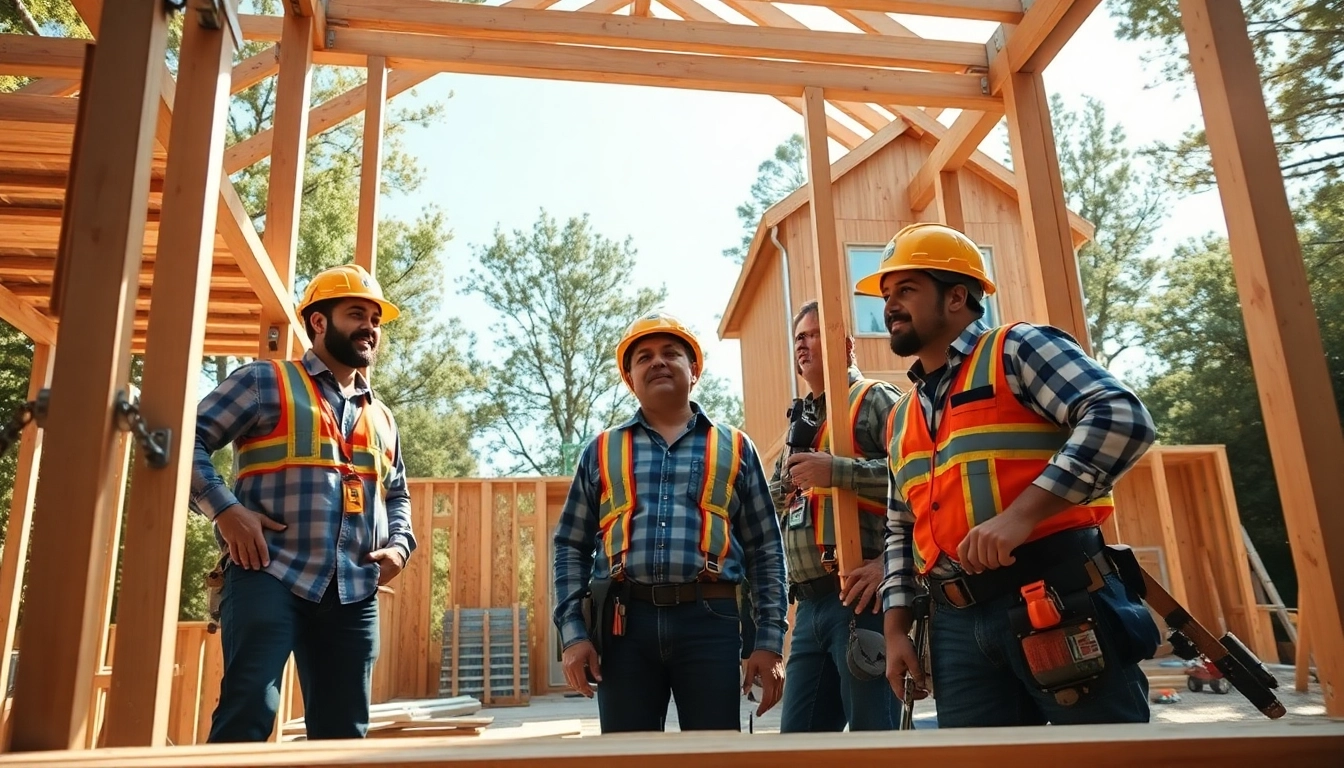
Austin construction encompasses a broad spectrum of building and renovation activities within the vibrant city of Austin, Texas. Known for its rapid growth and dynamic economy, Austin has emerged as a hub for innovative architectural designs, sustainable building practices, and modern construction technologies. The term not only refers to the physical process of constructing buildings but also signifies a deeper connection to the city’s culture, environment, and community values.
From residential homes to commercial developments, Austin construction embodies a diverse set of services tailored to meet the needs of various stakeholders. This multifaceted industry thrives on collaboration among architects, engineers, contractors, and local governments, all poised to create structures that are not only functional but also aesthetically pleasing and sustainable.
The Value of Local Austin Construction Services
The significance of local construction services in Austin cannot be overstated. With an increasing influx of residents and businesses to the area, the demand for construction projects has surged. Local construction companies possess the unique advantage of understanding the specific needs and preferences of the Austin community. They can tailor their services to reflect the local design aesthetics, comply with zoning regulations, and utilize materials that are environmentally sensitive to the region.
Moreover, local companies are invested in the community, fostering relationships with clients and stakeholders that contribute to lasting partnerships. They often engage in local labor and materials, enhancing the local economy and promoting sustainability.
How Austin Construction Impacts Community Development
Austin construction plays a pivotal role in the city’s development, shaping not just the skyline but also the quality of life for its residents. Large-scale projects, such as new schools, parks, and housing developments, provide essential services and infrastructure that enhance community welfare. Additionally, construction projects can drive economic growth by creating jobs and attracting new businesses.
In recent years, there has been a notable emphasis on developing mixed-use properties, which maximize land use while providing essential amenities and fostering a sense of community. The integration of public spaces within commercial and residential developments has become a hallmark of Austin construction, encouraging social interaction and community cohesion.
Essential Guidelines for Choosing an Austin Construction Company
Evaluating Credentials in Austin Construction
When selecting a construction company in Austin, evaluating credentials is of utmost importance. This process begins with verifying the company’s licensing and insurance. A licensed contractor indicates compliance with local regulations and standards, while insurance protects both the contractor and the client from potential liabilities during the construction process.
Furthermore, assessing a company’s experience in specific types of projects is crucial. Different firms specialize in various aspects of construction, ranging from residential builds to commercial renovations. Clients should seek contractors who demonstrate a proven track record in projects similar to their own, ensuring that they have the necessary expertise to handle specific challenges.
Importance of Client Reviews in Austin Construction
Client reviews serve as an invaluable resource in the decision-making process when choosing a construction company. In an industry driven by trust, positive feedback from previous clients can indicate reliability, quality of work, and overall satisfaction. Reading online reviews on platforms such as Google, Yelp, or specialized industry forums can provide insights into a company's reputation.
Potential clients should consider not just the quantity of reviews but also their content. Constructive feedback can illuminate specific strengths or weaknesses, allowing clients to make informed choices. Additionally, direct communication with prior clients can yield first-hand insights that may not be available online.
Determining the Right Project Fit in Austin Construction
Finding the right project fit involves more than just securing the lowest bid; it requires aligning the contractor’s capabilities with the project's unique needs. Clients should establish clear objectives for their construction project, considering factors such as budget, timeline, and desired outcomes.
Engaging in detailed discussions with potential contractors about project specifications can help gauge whether they hold the necessary skills and resources. Assessing their approach to projects, communication style, and problem-solving capabilities can offer further clarity on whether they align with the client’s vision.
Trends Shaping the Future of Austin Construction
Sustainable Practices in Austin Construction
Sustainability is rapidly becoming a core principle in Austin construction as both builders and clients recognize the importance of eco-friendly practices. This trend not only addresses environmental concerns but also reduces long-term costs associated with energy consumption and resource management. Building with sustainable materials, maximizing energy efficiency, and incorporating renewable energy technologies are key components of this movement.
Additionally, the city has been proactive in promoting sustainable development through incentives and regulations encouraging green building practices. The integration of features such as green roofs, rainwater harvesting systems, and energy-efficient HVAC systems is increasingly prevalent in new projects, reflecting a growing commitment to environmental stewardship.
Innovative Technologies Used in Austin Construction
Technological advancements are revolutionizing the construction landscape in Austin. The adoption of Building Information Modeling (BIM), for example, allows contractors to create detailed, 3D models of projects that enhance collaboration and minimize errors. This technology facilitates better planning, cost estimation, and project management, ultimately leading to more successful outcomes.
Moreover, innovations such as modular construction and prefabrication methods are gaining traction, enabling quicker assembly times and reducing waste. The integration of drones for site inspections and project monitoring further streamlines processes, ensuring that projects remain on schedule and within budget.
Design Trends Influencing Austin Construction
Austin’s construction industry is also heavily influenced by contemporary design trends that prioritize aesthetics, functionality, and adaptability. The demand for open floor plans, natural light, and outdoor living spaces reflects a lifestyle that values connectivity and environmental harmony. Use of local materials is becoming increasingly common, showcasing the region’s unique character and reducing transportation costs.
Furthermore, there is a rising trend toward biophilic design, which integrates natural elements into built environments. This approach not only enhances the visual appeal of structures but also promotes the well-being of occupants by creating healthier and more engaging spaces.
Navigating Challenges in Austin Construction Projects
Common Obstacles Faced in Austin Construction
Despite the positive growth in the Austin construction sector, various challenges persist. Regulatory hurdles, such as zoning restrictions and building codes, can pose significant obstacles to project initiation and progression. These complexities necessitate that contractors stay well-informed and adaptable to changes in local regulations.
Labor shortages also represent a substantial issue, as the demand for skilled workers often outstrips supply. This gap can lead to increased labor costs and project delays. Contractors are encouraged to foster talent development through apprenticeships and training programs to mitigate this challenge.
How to Mitigate Risks in Austin Construction
Risk management is crucial in any construction project, particularly in a competitive environment like Austin. Early identification of potential risks—ranging from financial fluctuations to environmental impacts—can help in developing mitigation strategies. Conducting comprehensive site assessments, thorough financial modeling, and stakeholder engagement meetings are effective practices for managing risk proactively.
Additionally, implementing robust project management frameworks ensures that all team members remain aligned and informed throughout the construction process. Consistent communication and adaptability are essential to address unforeseen challenges that may arise.
Best Practices for Project Management in Austin Construction
Effective project management practices are fundamental for achieving successful outcomes in Austin construction. Establishing clear objectives and performance metrics at the project's outset provides benchmarks for progress evaluation. Utilizing project management software tools can enhance coordination, track timelines, and manage budgets efficiently.
Regular stakeholder meetings and updates keep all parties informed and engaged, further enhancing teamwork and collaboration. Moreover, conducting post-project evaluations allows teams to reflect on successes and areas for improvement, contributing to a culture of continuous learning and growth.
Measuring Success in Austin Construction
Key Performance Indicators for Austin Construction Projects
Measuring success in construction projects requires establishing clear Key Performance Indicators (KPIs). These metrics offer insight into various aspects of project performance, including budget adherence, schedule compliance, safety incidents, and client satisfaction. Defining specific, measurable, achievable, relevant, and time-bound (SMART) goals aligns all stakeholders toward common objectives.
For instance, tracking the percentage of project milestones completed on time or monitoring the budget variance can provide real-time feedback on project health. Such metrics empower teams to make informed decisions and implement corrective actions as needed.
Client Satisfaction: A Measure of Success in Austin Construction
Client satisfaction stands as a crucial determinant of success in Austin construction. Soliciting client feedback through surveys or interviews post-project completion can yield valuable insights into their experience and overall perception of quality. High levels of client satisfaction not only reflect well on the contractor but also foster repeat business and referrals, integral to establishing a strong reputation in the industry.
Implementing client relationship management practices can enhance communication and engagement throughout the project lifecycle, ensuring that client needs and expectations are consistently met or exceeded.
Future Predictions for Austin Construction Industry Growth
Looking to the future, the Austin construction industry is poised for continued growth, driven by population surges, economic development, and changing consumer preferences. The rise of remote work is likely to shape residential construction, with increased demand for home offices and versatile living spaces. Likewise, commercial construction may pivot towards designs that accommodate hybrid work environments.
As sustainability becomes a non-negotiable aspect of construction practices, companies that prioritize innovative, eco-friendly solutions will likely thrive. Embracing digital tools and technologies will also distinguish leaders in the market, as efficiency and adaptability remain critical in a fast-evolving landscape.