What is Drayage and Its Importance?
Definition of Drayage and Key Concepts
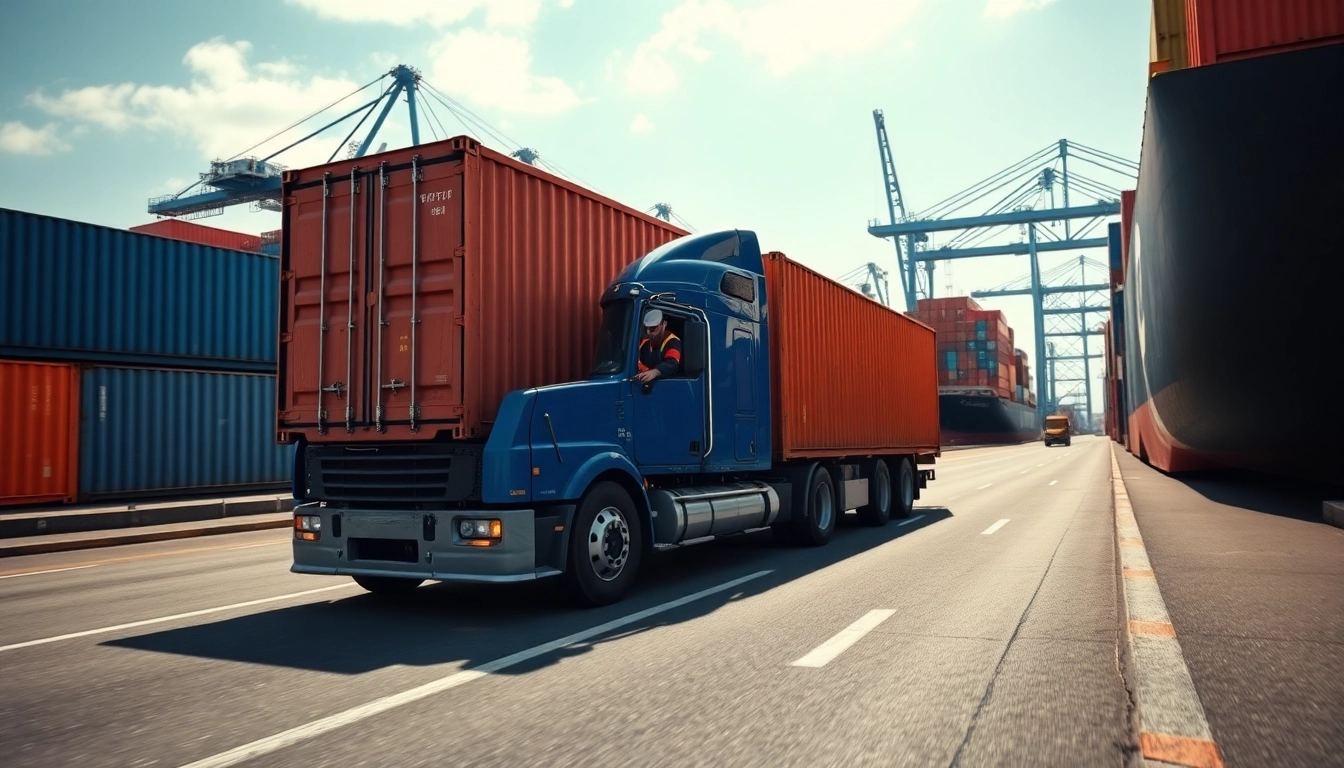
Drayage, a crucial term in the logistics and transportation industry, refers to the process of hauling cargo over short distances, typically involving shipping containers moved by truck. This process often serves as a significant link between different transportation modes, such as connecting ocean freight to rail, or directly transporting goods to their final destinations. Given its role in maintaining the fluidity of supply chains, understanding drayage and its nuances is foundational for efficient logistics management. You can explore more on drayage services to get deeper insights into this essential service.
The Role of Drayage in Supply Chain Management
In supply chain management, drayage plays an integral part. As goods arrive at ports or rail facilities, drayage ensures that these items reach warehouses or distribution centers efficiently. The seamless transportation of goods directly influences the speed at which products enter the market, affecting everything from inventory levels to customer satisfaction. The drayage component becomes crucial when considering the just-in-time inventory systems many businesses utilize. Delays in drayage can lead to cascading effects throughout the supply chain, emphasizing the need for timely and efficient operations.
Difference Between Drayage and Other Freight Terminologies
Understanding the distinctions between drayage and other freight-related terms is essential for effective logistics strategies. Freight refers to the overall transportation of goods, encompassing all types of movements regardless of distance. In contrast, drayage is specifically focused on short-distance hauls, often less than 50 miles, typically connecting major transportation hubs. This differentiation helps streamline processes and ensures that logistics managers can plan operations more effectively. Furthermore, demurrage and detention charges may be associated with drayage, where delays in the return of containers or equipment incur additional costs.
Types of Drayage Services
Intermodal Drayage: Connecting Modes of Transport
Intermodal drayage is a critical service in which drayage trucks are used to transport goods between different modes of transportation—such as from ships to trucks or trains. This service is particularly beneficial in optimizing the logistics process, as it leverages the strengths of various transportation methods. By utilizing intermodal drayage, businesses can reduce transit times and costs, streamline their operations, and enhance their overall efficiency. This service is especially prevalent in industries that rely heavily on imported goods or exports, as it allows for integrated transport solutions that utilize both land and sea.
Military and Specialty Drayage Services
Military and specialty drayage services cater to unique logistics needs, particularly in transporting specialized equipment or provisions for military operations. These operations often require stringent adherence to schedules and security requirements, making expertise in drayage crucial. Companies engaging in military drayage must comply with additional regulations governing sensitive cargo, ensuring timely delivery while maintaining operational integrity. Specialty drayage services may also encompass temperature-sensitive materials or hazardous goods, necessitating specialized equipment and trained personnel for safe transport.
Drayage for E-commerce Logistics
With the rapid growth of e-commerce, drayage has adapted to meet the needs of this dynamic sector. E-commerce logistics often demands speedy turnarounds, making efficient drayage services a pivotal part of the supply chain. Companies must leverage real-time tracking and data analytics to monitor their drayage operations, ensuring that packages are delivered without unnecessary delays. The integration of drayage services with last-mile deliveries can significantly enhance customer satisfaction, as timely deliveries have become central to maintaining competitive advantages in the e-commerce marketplace.
Challenges in Drayage Operations
Traffic Congestion and Its Impact on Timeliness
One of the most pressing challenges in drayage operations is traffic congestion, especially in metropolitan areas where logistic hubs are concentrated. This congestion can lead to considerable delays, impacting the timely movement of goods from ports or rail yards to their distribution points. Logistics managers often face unpredictability in travel times, complicating planning and execution. Utilizing traffic management systems, predictive analytics, and real-time GPS data can help mitigate the impact of congestion on drayage operations, ensuring that delays are minimized.
High Costs and Pricing Structures in Drayage
Drayage services can be costly due to various factors, including fuel prices, labor costs, and regulatory fees. Additionally, pricing structures can vary widely based on distance, type of cargo, and service level required. Companies must remain vigilant when negotiating contracts with drayage providers, ensuring that they are fully aware of potential hidden costs such as detention fees and possible surge pricing during peak seasons. Implementing solutions like price comparison tools and detailed cost analysis can aid in making informed decisions and managing expenses effectively.
Regulatory and Environmental Challenges
The drayage sector also grapples with regulatory hurdles and environmental concerns. In recent years, there has been a push towards greener practices in freight transportation, necessitating that drayage companies adopt more sustainable methods. Compliance with emissions regulations, fuel efficiency standards, and waste management protocols are critical for maintaining operational legality and corporate responsibility. Transitioning to electric or alternative fuel vehicles, alongside pursuing certifications that recognize environmental efforts, can position companies advantageously in an increasingly eco-conscious market.
Best Practices to Optimize Drayage
Technological Innovations in Drayage Management
Technological advancements have the potential to revolutionize drayage management, enabling more efficient operations and greater transparency in supply chain activities. Tools such as transport management systems (TMS), integrated analytics platforms, and cloud-based solutions empower logistics managers to monitor and optimize their drayage processes. IoT devices can provide real-time tracking of containers, allowing companies to respond swiftly to disruptions or delays. Investing in automation can streamline operations, reducing manual errors and improving overall efficiency.
Collaboration with Carriers and Shippers
Collaboration is key in optimizing drayage services. A strong partnership between carriers and shippers enhances communication, reduces redundancies, and fosters a culture of accountability across supply chains. Regularly scheduled collaborative meetings, combined with shared data platforms, can promote transparency and collective problem-solving. This collaborative approach not only improves operational efficiency but also cultivates trust among partners, paving the way for long-term success.
Data-Driven Decision Making
Leveraging data analytics for decision-making processes is essential for effective drayage management. Companies can analyze historical data to identify patterns in demand, peak periods, and common bottlenecks. This analysis allows logistics managers to proactively develop strategies to address potential issues before they escalate. Additionally, utilizing predictive analytics can help forecast future trends, enabling businesses to strategize their drayage logistics accordingly and optimize resource allocation.
Future Trends in Drayage
Sustainability and Eco-friendly Practices
As environmental concerns continue to shape the logistics landscape, sustainable practices in drayage are set to become increasingly prevalent. Companies are exploring eco-friendly alternatives, such as electric or hybrid vehicles for short-haul transport options. Implementing green initiatives, such as optimizing delivery routes to reduce carbon footprints or utilizing sustainable packaging materials, can enhance brand reputation and customer loyalty. Staying ahead of the curve by adopting these practices not only ensures compliance with evolving regulations but also caters to a growing consumer base that prioritizes sustainability.
Autonomous Vehicles in the Drayage Sector
The advent of autonomous vehicles heralds a new era in the drayage industry. Innovations in self-driving technology promise to reduce costs, enhance safety, and optimize delivery speeds. As technology advances, logistics companies must remain adaptable, investing in the necessary infrastructure to support autonomous systems. The integration of these technologies also presents opportunities for retraining workforce capabilities, wherein employees can pivot towards higher-level operational roles as automated vehicles take over routine transport tasks.
The Impact of Global Trade Policies on Drayage
Drayage operations are not isolated but are significantly influenced by global trade policies. Tariffs, trade agreements, and international relations can drastically alter the supply chain landscape, impacting shipping routes and logistics strategies. Businesses must stay informed about political developments and their implications for transportation to effectively navigate these changes. Engaging with trade experts and participating in industry groups can empower companies to adapt their drayage operations to align with current policies and emerging trends.