Introduction to Florida Hurricane Damage
Florida is known for its beautiful beaches, vibrant culture, and sunny weather, but it is also infamous for its hurricane season, which poses a serious threat to properties, lives, and the economy. In recent years, hurricanes have escalated in intensity, causing unprecedented destruction and impacting countless individuals. Understanding the implications of Florida Hurricane Damage is crucial not only for residents but also for policymakers, businesses, and emergency planners.
Understanding Hurricane Effects on Florida
Hurricanes can result in devastating effects, ranging from physical destruction to long-term economic disruptions. The high winds, heavy rainfall, and storm surges associated with hurricanes can wreak havoc on infrastructure, homes, and ecosystems. The social fabric of communities is often tested as populations are displaced and local economies falter. Understanding how these storms evolve and their potential impact allows for better preparation and risk management strategies.
Historical Data on Hurricane Damage in Florida
Florida has a storied history of hurricanes, with notable storms such as Hurricane Andrew in 1992 and Hurricane Irma in 2017, which caused billions in damages. According to the National Oceanic and Atmospheric Administration (NOAA), hurricanes of varying scales have historically positioned Florida at the epicenter of storm-related calamity. For instance, Hurricane Katrina had profound effects not only on New Orleans but also on Gulf Coast areas, and its legacy is a reminder of the danger posed by hurricanes. Analyzing historical data allows officials to anticipate future vulnerabilities and enact informed policies.
Importance of Hurricane Preparedness
Preparing for hurricane season is an essential step for residents and businesses in Florida. Preparedness involves creating emergency plans, assembling supplies, and being informed about evacuation routes. It is important to conduct regular drills and continuously update plans in light of new information or changes in circumstances. An informed citizenry can significantly reduce the impact of hurricanes both in terms of human losses and property damage.
Common Types of Florida Hurricane Damage
Structural Damage and Its Consequences
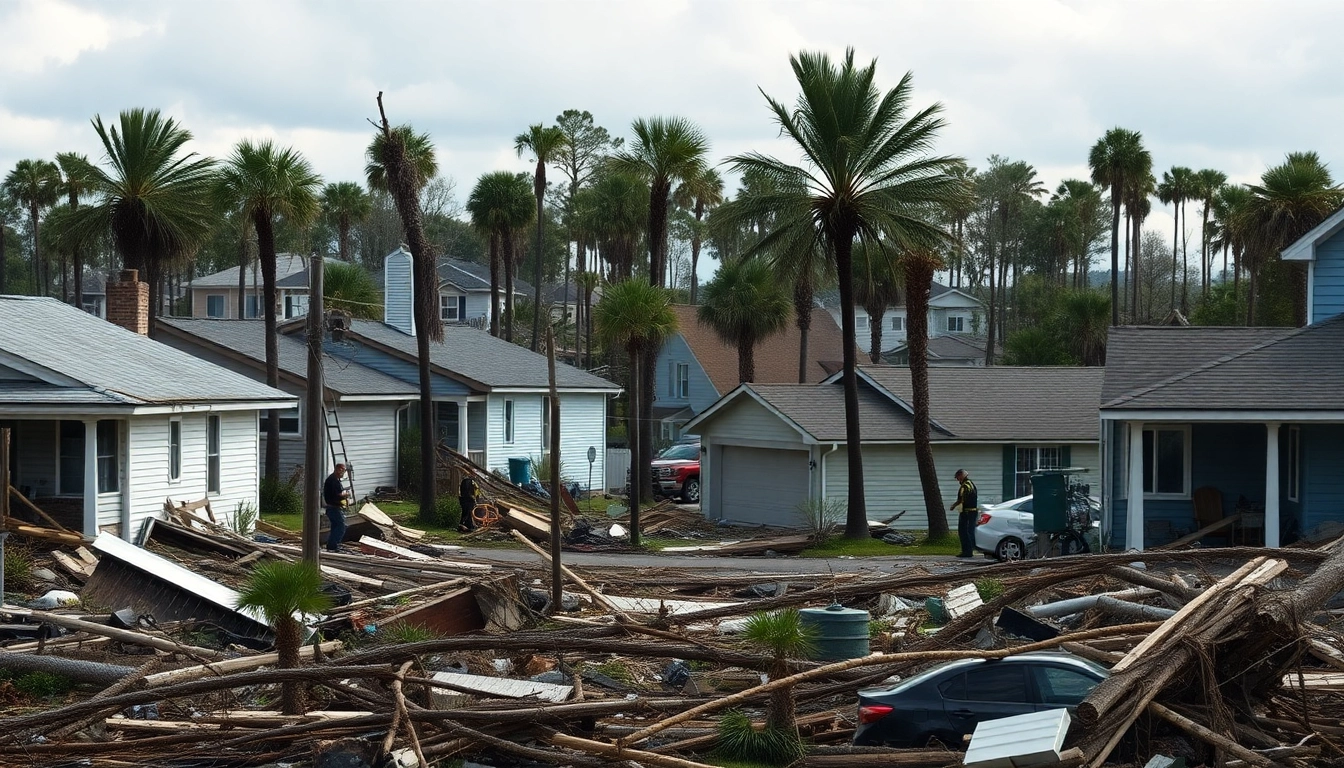
Structural damage encompasses both the immediate impacts and the downstream effects on families and communities. High winds can strip roofs, break windows, and uproot trees, while storm surges can inundate properties. The aftermath often leads to long recovery processes, searching for temporary housing, and navigating complex insurance claims. Rebuilding can take years, disrupting lives and local economies.
Natural Landscapes and Ecosystem Impact
Hurricanes significantly affect Florida's delicate ecosystems. Coastal habitats, such as mangroves and wetlands, are often devastated, disrupting wildlife and leading to loss of biodiversity. Sediment erosion and changes to water salinity levels can impact marine life as well. Restoration of these habitats is crucial not only for ecological balance but also for protecting coastal areas from future storm damage.
Economic Effects of Hurricane Damage
The economic repercussions of hurricane damage are severe, affecting businesses, tourism, and public services. Businesses may face costly repairs, interruptions in service, and loss of inventory. Tourism, a significant driver of Florida's economy, often declines sharply in hurricane-affected regions, underscoring the interconnectedness of various sectors. Recovery requires resilience and strategic economic planning to mitigate future risks.
Assessing Hurricane Damage in Florida
Tools and Technologies for Damage Assessment
Accurate assessment following a hurricane is vital for efficient recovery and rebuilding efforts. Various tools, including satellite imagery, drones, and Geographic Information Systems (GIS), have revolutionized how damage is assessed. These technologies allow responders to evaluate affected areas quickly and accurately, enabling timely assistance for those in need.
Evaluating Property Loss and Insurance Claims
The process of evaluating property loss is often complex and frustrating for homeowners. Insurance policies can be convoluted, leading to potential misunderstandings about coverage. Clear documentation, including photos and video evidence of damage, plays a critical role when filing claims. Additionally, understanding the nuances between public and private insurance can help homeowners navigate this stressful process more effectively.
Community Involvement in Damage Assessment
Communities play an integral role in the damage assessment process. Grassroots organizations often mobilize to conduct assessments and report findings to authorities. This collaboration between citizens, local businesses, and emergency responders enhances situational awareness and ensures that no area is overlooked during recovery efforts.
Recovery Strategies for Florida Hurricane Damage
Government and NGO Recovery Programs
Recovery efforts involve a combination of local, state, and federal initiatives. Various government programs provide financial assistance, resources, and expertise to affected communities. Nonprofit organizations also play a significant role in recovery through direct aid, advocacy, and community-building initiatives, creating a multi-faceted approach to rehabilitation.
Restoration Techniques for Affected Areas
Restoring areas impacted by hurricanes requires careful planning and execution. Techniques can range from simple repairs in residential homes to large-scale infrastructure projects. Utilizing sustainable materials and techniques not only restores functionality but also enhances resilience against future storms. Engaging experts for ecological restoration, especially in vulnerable environments, is crucial for protecting natural habitats.
Building Resilience: Preventing Future Damage
Prevention is the first line of defense against hurricane damage. Strategic long-term planning, codes for building structures to withstand storms, and investments in natural barriers can significantly mitigate future damages. Educating communities about sustainable practices and the importance of resilience can empower them to adapt and thrive in the face of natural disasters.
Resources and Support for Hurricane Victims
Available Financial Aid and Assistance Programs
Victims of hurricane damage often require access to financial aid to begin the rebuilding process. Government programs, grants, and private donations create a safety net for those affected. Understanding eligibility requirements and application processes is essential for caregivers and victims alike, ensuring that communities can mobilize resources for recovery effectively.
Connecting with Local Support Services
Local services provide critical support post-hurricane, including counseling for those affected, legal assistance for navigating insurance claims, and health care services. Establishing connections with these resources can streamline recovery efforts and help victims regain stability in their lives. Community support systems foster resilience and strengthen social bonds.
Building Community Resilience Together
Community resilience is built through collaboration and shared responsibility. Local initiatives can empower individuals to prepare and recover from hurricanes collectively. Community workshops, participatory planning sessions, and volunteer events enhance community bonds while equipping residents with the knowledge to face future challenges. A united front not only helps during recovery but fosters long-term growth and stability.