


Understanding Contemporary Home Styling
Defining Contemporary Home Styling
Contemporary home styling reflects the current trends in design, focusing on clean lines, minimalism, and a balance between form and function. This style has evolved over the years, embracing a variety of influences ranging from modernism to the convenience of modern technologies. It prioritizes simplicity but isn’t afraid to incorporate eclectic elements, allowing homeowners to express their personality while maintaining a cohesive space. Key to this style is the concept that contemporary doesn’t equate to a single defined aesthetic; rather, it adapts and embraces changes in societal preferences and lifestyle standards. For a more in-depth insight into crafting spaces that embody this style, consider exploring contemporary home styling.
Key Characteristics to Note
Contemporary home styling is characterized by several key elements:
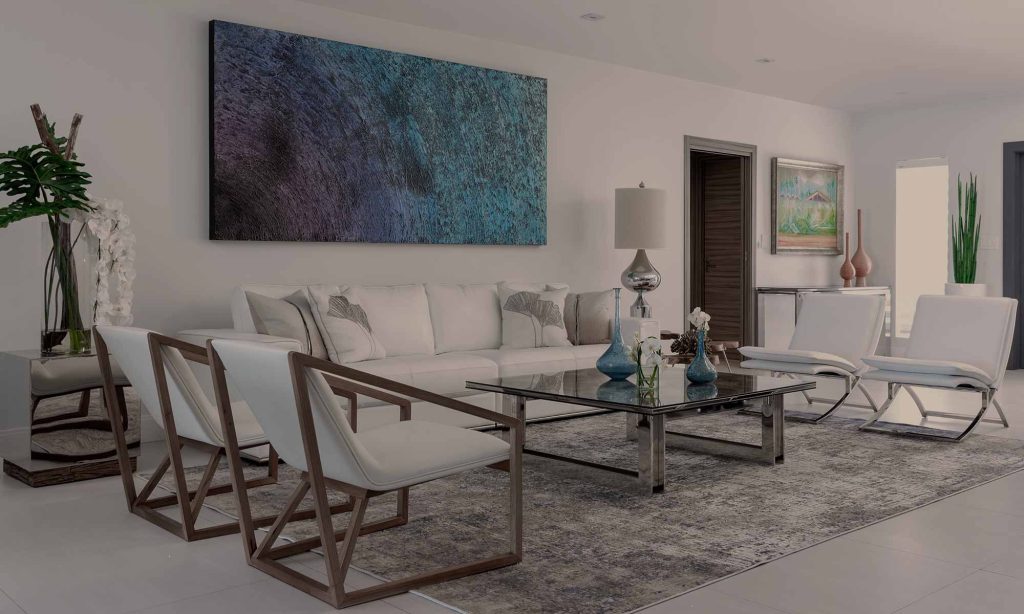
- Neutral Color Palettes: Whites, grays, and beiges dominate, providing a calm backdrop for vibrant accents.
- Open Spaces: Layouts often emphasize spaciousness with flowing designs that connect different areas.
- Natural Light: Large windows and heavy use of glass allow for light to filter through, enhancing both aesthetics and mood.
- Functional Furniture: Pieces are selected for their utility and comfort, often boasting sleek designs.
- Eclectic Accessories: While the space may be minimalist, the addition of carefully chosen décor can introduce personality.
Popular Design Elements
Within contemporary styling, several design elements are particularly popular:
- Geometric Shapes: Furniture and architectural details featuring geometric designs contribute to the clean lines contemporary styling champions.
- Textured Fabrics: Layering various materials, such as linen and leather, provides depth while maintaining minimalist appeal.
- Art as Focal Points: Large artworks or sculptures can serve as statement pieces that draw attention and inspire conversation.
- Sustainable Elements: A growing trend within contemporary styles is to incorporate eco-friendly materials and practices, aligning aesthetics with environmental consciousness.
- Smart Technology: Innovations in home automation, including smart lighting and temperature control, add a modern touch.
Essential Tips for Contemporary Home Styling
Choosing the Right Color Palette
The color palette is perhaps the most crucial aspect of decorating a contemporary home. A well-thought-out combination of neutrals and occasional bold accents can transform a space. Start by selecting a neutral base—whites or light grays are favored—then introduce pops of color through furniture, art, or accessories.
For harmonious flow, use a color wheel to identify complementary shades that will maintain aesthetic integrity without visual chaos. Remember, the goal is to create a cohesive look where each element feels connected.
Furniture Selection and Arrangement
Furniture selection should prioritize functionality and visual appeal. Opt for pieces that are not only stylish but also serve a purpose—think sofas with built-in storage or coffee tables that double as ottomans. Arranging the furniture in a way that promotes conversation and ease of movement is essential. Avoid too much clutter; instead, focus on fewer, well-placed items that create impact.
Additionally, consider proportionality—large rooms may require bolder, statement furniture, while smaller areas benefit from streamlined pieces that don’t overwhelm the senses.
Incorporating Art and Accessories
Art plays a vital role in contemporary home styling. Choose pieces that reflect your personality and provide focal points within a room. Large canvases can work well in spacious areas, while smaller, curated collections can add interest in more compact spaces. Accessories should also adhere to a minimalist philosophy; use them sparingly to ensure each one contributes meaningfully to the aesthetic.
Consider using frames that match for a uniform look or mixing textures and sizes for an eclectic gallery wall that still feels cohesive.
Common Mistakes in Contemporary Home Styling
Overcrowding the Space
One of the primary pitfalls in contemporary styling is overcrowding spaces with unnecessary items. It is essential to remember that less is often more. Each piece of furniture or décor should serve a purpose and contribute to the overall aesthetic.
To combat clutter, regularly reassess your space. If a piece no longer fits the vision, consider replacing or removing it to maintain an airy and serene environment.
Neglecting Lighting Options
Lighting can dramatically influence the ambiance and functionality of a space. Overlooking this aspect can result in a flat and uninspiring room. Aim to incorporate multiple light sources, such as overhead fixtures, floor lamps, and table lamps, to create layers.
Utilize dimmers to manage brightness and enhance the mood based on the time of day or activity. Natural lighting, where possible, should also be maximized to connect the indoors with the outdoors.
Ignoring Personal Touches
While contemporary styling thrives on minimalism, it is crucial to infuse the space with personal touches that make it feel like home. Avoid the temptation to adhere strictly to design rules at the expense of your individuality.
Ways to add personal touches may include family photos in sleek frames, travel souvenirs, or unique collectibles that resonate with your life story. Those details create warmth and relatability amidst a structured design.
Maximizing Small Spaces with Contemporary Home Styling
Utilizing Multi-Functional Furniture
In smaller homes, every square inch counts. Choosing multi-functional furniture is a game-changer, providing versatility without sacrificing style. Look for items like extendable dining tables, fold-out desks, or sofas that incorporate storage.
These pieces not only help maintain order but can also serve as striking design elements that uplift the space visually.
Creating Open Areas
To enhance the feeling of spaciousness in small homes, create open areas that flow seamlessly from one space to another. Use area rugs to define different sections of the room without putting up physical barriers.
Open shelving can also provide organization without looking bulky, adding depth without obstructing sightlines.
Effective Use of Mirrors
Mirrors are a powerful tool in contemporary home styling, ideal for enhancing light and creating the illusion of more space. Strategically placing mirrors across from windows can reflect natural light, brightening up darker corners.
Additionally, consider using mirrored furniture or décor to add a sense of luxury and space to a room, complementing the contemporary aesthetic while maximizing functionality.
Frequently Asked Questions About Contemporary Home Styling
What defines contemporary home styling?
Contemporary home styling features clean lines, minimalism, and a focus on functionality, blending current design trends while allowing for personalization.
How can I select the right colors for my home?
Choose a neutral base for a calming effect, and then introduce complementing bold accents through furnishings or artwork for visual interest.
What types of furniture work best?
Opt for functional and stylish furniture, focusing on pieces that offer both utility and aesthetics, like sleek sofas or space-saving tables.
How do I add personal touches to my space?
Add personal items like framed photos, unique collectibles, or travel souvenirs that resonate with you while maintaining a cohesive design.
Can contemporary styling work in small apartments?
Yes, contemporary styling is highly adaptable to small spaces. Use multi-functional furniture, utilize mirrors, and create open areas to maximize room.