
Can You Really Discover Fascinating Facts with rokok88 rtp in 2026?
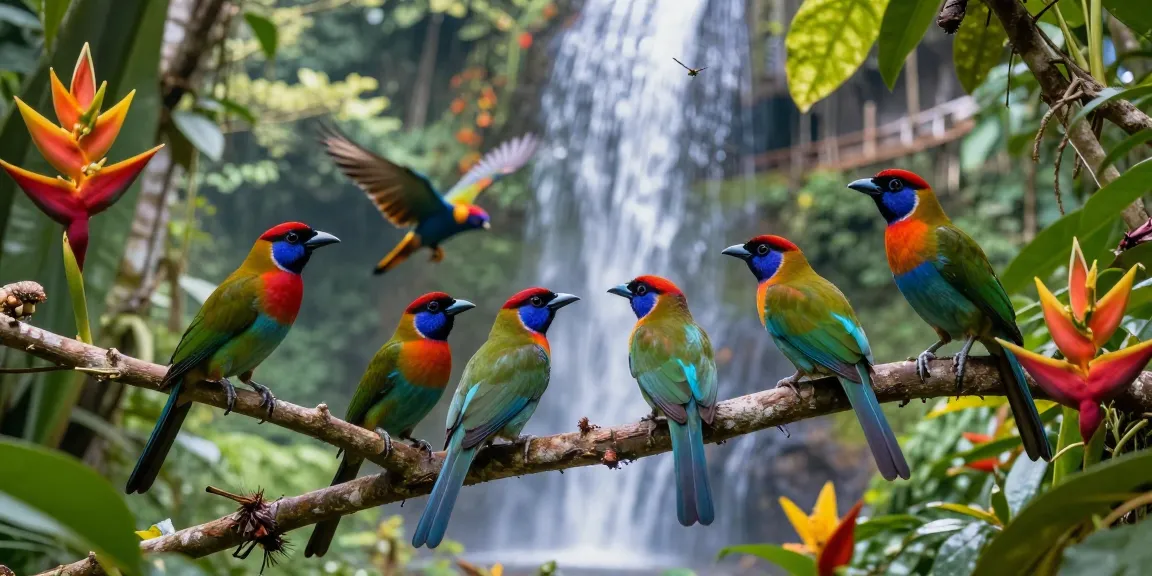
Introduction to Unusual Birds
The world of avian species is vast and filled with wonders that often go unnoticed. Among them are unusual birds that possess extraordinary features and behaviors, challenging our understanding of what birds can be. Here at ROKOK88, we delve into these quirky creatures, uncovering not only their bizarre names but also fascinating facts and characteristics that leave many in awe. By exploring these peculiar species, we highlight the rich tapestry of life that exists in various ecosystems worldwide and encourage curiosity about the natural world. When exploring options, rokok88 rtp provides comprehensive insights into the realm of unusual avian life.
What Makes a Bird Unusual?
Unusual birds can be defined by various criteria, including their physical appearances, vocalizations, and behaviors. Features that make these birds stand out may include striking colors, bizarre body shapes, or peculiar mating rituals. For instance, the Resplendent Quetzal is renowned not just for its vivid plumage but also for its unique nesting habits, which involve using decayed tree hollows. Meanwhile, the Kakapo, a flightless parrot from New Zealand, is notable for its owl-like face and nocturnal behaviors, which are quite rare among parrots. Such unique characteristics not only intrigue bird enthusiasts but also play significant roles in their adaptation and survival within their habitats.
Overview of the ROKOK88 Approach
At ROKOK88, our focus is on presenting the strange and wonderful aspects of the avian world. We combine engaging storytelling with scientific facts, ensuring our content is both entertaining and educational. Our articles aim to highlight the importance of these unusual birds, showcasing their behaviors, habitats, and the conservation efforts dedicated to their preservation. By bringing attention to these often-overlooked species, we foster appreciation for biodiversity and inspire a deeper connection to nature.
Importance of Learning About Unique Species
Understanding unusual birds is crucial not only for academic purposes but for ecological awareness as well. These birds can serve as indicators of environmental health and biodiversity. Moreover, unique species often have fascinating adaptations that teach us about evolution and survival. For example, the Shoebill stork, with its prehistoric appearance, plays a vital role in its ecosystem as both predator and scavenger. Learning about such species encourages us to protect their habitats and the intricate relationships they maintain within their ecosystems.
Unique Species Spotlight
In this section, we shine a light on some of the most remarkable birds known for their eccentricities and the roles they play in their environments. From their unique characteristics to their surprising behaviors, these birds challenge our perception of avian life.
Featured Birds and Their Characteristics
Several species deserve a spot in the spotlight for their peculiar traits:
- The Kiwi: This flightless bird from New Zealand is known for its small size and long beak. Kiwis are nocturnal and have a keen sense of smell, which is unusual for birds.
- The Horned Screamer: With its distinct horns on the head, this bird produces sound that can be heard from a distance. Its behavior and loud vocalizations might surprise anyone who encounters it.
- The Blue-footed Booby: This seabird is famous for its vibrant blue feet, which it displays during courtship rituals. The intensity of the blue color indicates the bird’s health and vitality.
Habitat and Distribution of Unusual Birds
Unusual birds are often found in diverse habitats ranging from tropical rainforests to arid deserts. For instance, the Harpy Eagle, which nests in tree canopies, is a majestic bird that thrives in Central and South American rainforests. On the other hand, species like the Great Blue Heron can be seen in wetlands and shorelines across the Americas. Such habitats not only provide essential resources for these birds but also influence their behaviors and adaptations.
Behavioral Traits That Surprise
The behaviors exhibited by unusual birds can be as captivating as their appearances. For example, the Lyrebird is mimicking champion, able to imitate natural and artificial sounds from its environment, including chainsaws and camera shutters. This impressive skill serves not only to attract mates but also showcases the bird’s adaptability. Similarly, the African Grey Parrot is renowned for its remarkable intelligence and ability to communicate, further blurring the lines between human and avian interaction.
Why Unusual Birds Matter
Understanding the significance of unusual birds goes beyond mere fascination; it extends into the realms of ecology and conservation. Their roles within ecosystems are critical to maintaining balance, and their unique adaptations often provide insights into resilience and survival.
The Role of Biodiversity in Ecosystems
Biodiversity is vital for ecosystem health, with each species playing a unique role in the ecological balance. Unusual birds contribute to functions such as seed dispersal, pollination, and pest control. For instance, the Scarlet Macaw helps in the dispersal of various tree species, directly impacting forest regeneration. Thus, conserving these unique bird species is essential for sustaining the ecosystems they inhabit.
Conservation Efforts for Rare Species
As many unusual bird species face threats from habitat loss, climate change, and hunting, conservation efforts are more crucial than ever. Organizations worldwide work to protect these species through habitat restoration, legal protection, and educational initiatives. The effort to save the California Condor, for instance, showcases successful breeding programs and public engagement, illustrating how collective efforts can lead to positive change.
How Unusual Behaviors Aid Survival
Many surprising behaviors displayed by unusual birds offer significant survival advantages. For instance, the social structure of the African Wild Dog influences their hunting strategies, leading to more successful hunts. Similarly, the cooperative breeding behavior of the Florida Scrub-Jay, where non-breeding individuals help care for young, enhances the survival rate of the offspring, demonstrating the importance of social dynamics in the wild.
Engaging with Bird Facts
At ROKOK88, we believe that learning about birds should be an engaging experience. Our platform offers various resources and tools to make discovering bird facts enjoyable and informative.
Fun Ways to Explore Bird Facts with ROKOK88
Through interactive quizzes, articles, and engaging visuals, we make it easy and fun for everyone to learn about unusual birds. For example, our quizzes challenge visitors to match bird calls to their respective species, enhancing auditory recognition skills while providing a playful learning experience.
Interactive Tools for Learning About Birds
Our website features an array of interactive tools that allow users to explore bird species by habitat, diet, and behavior. This approach not only enriches the learning experience but fosters a deeper appreciation for bird diversity and the complexities of their lives.
Community Contributions and Experiences
We welcome contributions from bird enthusiasts across the globe. By sharing personal stories, photos, and observations, community members enrich our collective understanding of unusual birds. This platform acts as a bridge for connecting passionate individuals who share a love for avian life, fostering a sense of community.
Future Trends in Bird Watching and Education
As technology advances, the field of bird watching and education is also evolving. From mobile apps that identify bird songs to virtual reality experiences that bring bird habitats to life, the future is exciting for bird enthusiasts and educators alike.
Emerging Technologies in Biodiversity Education
Innovative technology will likely play a significant role in biodiversity education by providing immersive learning platforms. For example, drone technology is being utilized to monitor bird populations without disturbing their natural habitats, allowing researchers to gather essential data for conservation.
Predictions for Bird Species Conservation in 2026
Looking ahead to 2026, we predict an increase in awareness and advocacy for rare and unusual birds. Public interest in conservation efforts will likely grow, especially as more people engage with digital platforms like ROKOK88. This shift may encourage funding and resources towards protecting endangered species, enhancing global biodiversity efforts.
How Engagement Will Evolve with ROKOK88
As ROKOK88 continues to evolve, we aim to integrate more interactive and educational features tailored to our audience’s interests. By leveraging social media, mobile applications, and interactive content, we will foster a vibrant community dedicated to exploring the wonders of unusual birds.
What Are the Most Common Questions?
Commonly asked questions about unusual birds often cover topics such as their habitats, behaviors, and conservation statuses. Engaging with our community through FAQs helps us tackle these queries while providing valuable insights and updates.
How Can I Get Involved in Bird Conservation?
Getting involved in bird conservation efforts can be as simple as participating in local birdwatching groups, supporting conservation organizations, and advocating for policies that protect avian habitats. Every small action contributes to the larger goal of sustaining biodiversity.
What Resources Does ROKOK88 Offer for Bird Enthusiasts?
ROKOK88 provides a plethora of resources tailored for bird enthusiasts, including educational articles, interactive tools, and community forums. We believe that accessible information is key to nurturing a passion for ornithology.
What Unique Behaviors Exist Among Tropical Birds?
Tropical birds often exhibit unique behaviors such as complex mating dances, social feeding strategies, and intricate nesting habits. The diversity in their behaviors reflects the ecological pressures and opportunities present in their vibrant environments.