Understanding Cinematic Video Production
Defining Cinematic Video Production
Cinematic video production is an art form that goes beyond mere recording; it weaves storytelling, emotions, and visual aesthetics into a cohesive narrative. It emphasizes artistic expression and employs film techniques traditionally associated with cinema. This encompasses meticulous planning, nuanced shot selection, and post-production artistry to create visually stunning pieces. Unlike standard videography, which may prioritize straightforward documentation, cinematic video production elevates content through cinematic techniques, resulting in a more immersive experience. It employs advanced equipment, diverse environments, and techniques to ensure that every frame captures the intended mood and storytelling nuance. For those looking to explore more about this art, refer to cinematic video production resources and insights.
Importance of Cinematic Techniques
Cinematic techniques are crucial in crafting engaging narratives. They include the use of specific camera angles, shot composition, and movement that contribute to the story's emotional depth. Techniques such as manipulating depth of field, lighting, and color grading help evoke emotions and set the tone of the production. For instance, a high depth of field can create a sense of vastness and clarity in a landscape shot, while a shallow depth of field can draw attention to a subject's emotions. The significance of these techniques lies in their ability to influence audience perception, making the story resonate more profoundly. Learning how to integrate these techniques can separate a simple video from a masterpiece.
Key Differences Between Videography and Cinematic Video Production
While both videography and cinematic video production involve capturing video content, they fundamentally differ in approach and execution. Videography is often seen as functionally driven, focusing on capturing events clearly and effectively. Cinematic video production, on the other hand, is about artistic storytelling. Cinematographers plan intricate shot lists that combine angles and movements to convey emotion and narrative tension, whereas videographers might simply document a series of events. Moreover, cinematic productions typically involve multiple aspects of filmmaking, including scriptwriting, storyboarding, and extensive post-production editing, which enhances the visual storytelling quality.
Essential Tools for Cinematic Video Production
Camera Gear and Equipment for Cinematic Shots
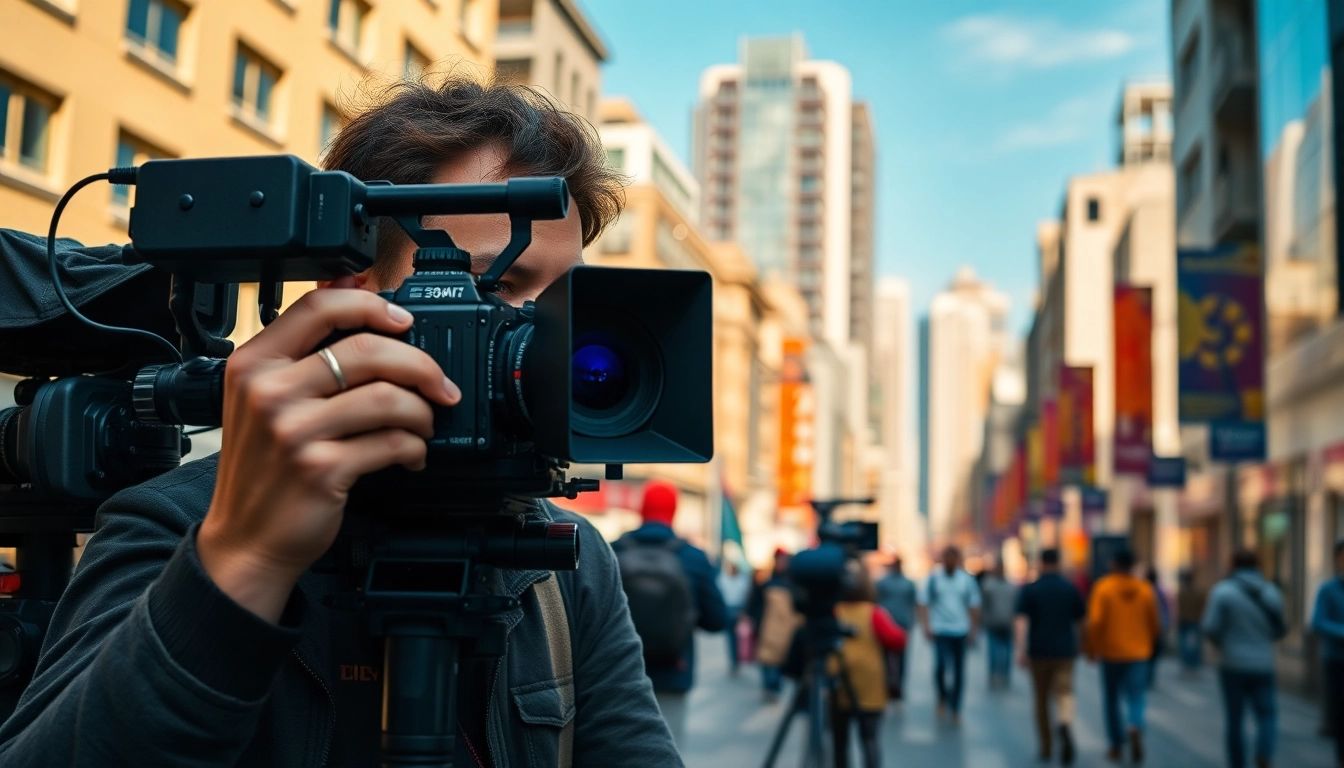
The cornerstone of any cinematic production is its camera equipment. High-quality cameras, such as DSLRs or mirrorless systems with interchangeable lenses, allow for a range of creative options, including different focal lengths and perspectives. A stabilizer, such as a gimbal or steadicam, can ensure smooth camera movement, enhancing the viewing experience. Furthermore, incorporating drones can provide breathtaking aerial shots that add a new dimension to cinematic storytelling. Investing in quality lenses, including prime and wide-angle lenses, is equally crucial, as they can dramatically affect the aesthetics of the shots. Additionally, practical tools such as filters and rigging equipment can help in achieving the desired visual effects.
Audio Equipment Considerations in Cinematic Video Production
Alongside visual components, audio plays a pivotal role in cinematic video production. The narrative's emotional power is often conveyed through sound design, including dialogue, ambiance, and musical scores. Using high-quality microphones, such as shotgun mics or lavaliers, ensures clear and crisp audio capture. Moreover, incorporating sound recorders can provide flexibility during post-production by allowing audio and video to be edited separately. The integration of sound effects and foley into the production further enhances the richness of the story. Ultimately, good audio equipment not only supports the dialogue but also immerses the audience in the world created through visuals.
Lighting Techniques to Enhance Cinematic Quality
Lighting is perhaps one of the most critical aspects of cinematic video production. The right lighting can convey mood, guide the viewer's attention, and even dictate the narrative's tone. Techniques such as three-point lighting help illuminate the subject while creating depth and dimension. High and low key lighting can establish contrasting atmospheres — high-key lighting for a bright and cheerful scene, while low-key lighting might be used for dramatic or suspenseful moments. Use of practical lights within the scene, like lamps or streetlights, can also create a natural appearance. Understanding color temperature and how it affects the mood of a scene is essential for any cinematographer aiming to create visually engaging films.
Planning Your Cinematic Video Production
Crafting a Compelling Story for Your Video
A compelling story is the backbone of any cinematic video production. When conceptualizing your story, consider the central themes, character arcs, and the emotional journey you wish to convey. Engaging narratives typically follow a structured format with a clear beginning, middle, and end, incorporating conflict and resolution. When brainstorming ideas, it can be beneficial to draft an outline, highlighting key scenes and transitions. Think about the motivations of your characters, their dialogue, and how these elements align with your overarching theme. A well-crafted story not only captivates but also resonates with audiences, making it essential to invest time in this phase of production.
Shot List Creation and Its Impact on Production
A shot list is an indispensable tool in cinematic video production, serving as a roadmap for filmmakers. It outlines each shot required for the production, allowing for efficient planning and execution. This list includes details such as shot type, angle, duration, and any specific notes related to camera movement or lighting. Creating a shot list helps streamline the shooting process, saving time and enabling better resource management. It also encourages filmmakers to think critically about each sequence, ensuring that all necessary shots contribute towards the overall narrative. By defining a clear structure, filmmakers can focus on creativity during the shoot, rather than scrambling to capture essential content.
Location Scouting for Cinematic Aesthetics
The choice of location has a profound impact on the visual storytelling of a cinematic piece. Scouting potential filming locations allows filmmakers to assess how the environment complements the story's theme and mood. Factors to consider include the natural light available, the aesthetic appeal of the location, and its practicality for filming activities. Additionally, understanding the surrounding area can unlock creative opportunities for unique shots and spontaneous ideas. An effective location can enhance authenticity, evoke emotion, and facilitate seamless storytelling through background and context. By investing time in location scouting, filmmakers can significantly elevate the quality of their final production.
Filming Techniques in Cinematic Video Production
Framing and Composition Essentials
Framing and composition are critical components that dictate how viewers engage with the visual narrative. Cinematic compositions often adhere to symmetry, rule of thirds, and leading lines that guide the audience's attention toward focal points within the frame. Effective framing involves not only where to place subjects but also how to utilize surrounding elements to add context or emotional weight. Creative use of negative space, aspect ratios, and unique angles can help create visually stimulating shots that stand out. It is essential for filmmakers to continually evaluate their compositions throughout the shoot, ensuring each frame serves a purpose and contributes to the overall story.
Utilizing Camera Movement Effectively
Camera movement is a powerful tool in cinematic video production that can elevate enticement and enhance storytelling. Whether it’s using tracking shots that follow a character, panning to reveal a landscape, or employing dollies and cranes for dynamic angles, how the camera moves greatly influences the audience's experience. Different techniques—such as handheld movement to create intimacy or steady wide shots for grandeur—add narrative depth and visual interest. Careful orchestration of camera movements in conjunction with the story's flow ensures that they amplify the intended emotional response rather than distract from it.
Advanced Cinematic Techniques for Stunning Visuals
To distinguish cinematic video production from everyday videography, filmmakers can incorporate advanced techniques that enhance the creative quality of the work. Techniques like slow-motion imagery can heighten emotional moments, while time-lapse footage can effectively convey the passage of time. Utilizing depth of field manipulation creates focus on essential details, enriching the narrative. Furthermore, advanced staging and blocking within scenes can uncover layers of character interaction and dynamics. Integrating these advanced techniques requires practice and experimentation but often results in visually captivating sequences that captivate audiences.
Post-Production: Polishing Your Cinematic Video
Editing Techniques That Enhance Cinematic Quality
The post-production phase is where the magic of cinematic video truly comes to life. Effective editing techniques unify disparate shots into a cohesive narrative. The application of cuts, transitions, and pacing can significantly affect how a story unfolds, affecting how audiences connect with the emotional beats and narrative structure. Editors should prioritize continuity by ensuring that elements flow seamlessly across varied scenes. Introducing creative techniques such as jump cuts, cross-cutting, or montage sequences can add layers of meaning and enhance the engagement factor. Ultimately, good editing is about creating a rhythm that matches the story's mood, guiding viewers through the cinematic journey.
The Art of Color Grading in Cinematic Video Production
Color grading completes the visual narrative, providing the final polish that ties everything together. The application of color grading filters and adjustments can establish mood, influence tone, and direct viewer emotions. Techniques such as desaturating colors for a somber mood or enhancing vivid colors for an energetic scene are widely utilized in professional productions. Transitioning between different color palettes across scenes can evoke distinct emotional connections and signify changes in the narrative. Moreover, consistency in color grading throughout the entire piece reinforces cohesion, making it essential for filmmakers to invest time in perfecting this aspect during post-production.
Sound Design to Elevate Your Cinematic Project
In the realm of cinematic video production, sound design transforms the viewing experience. Beyond dialogue, the intertwining of sound effects, ambient sounds, and original scores creates emotional resonance and immerses viewers in the narrative. Good sound design includes incorporating diegetic sounds (sounds that the characters in the film can hear) and non-diegetic sounds (like a musical score) that work in harmony to accentuate the visuals. Careful synchronization between audio and visuals plays a crucial role in enhancing the storytelling experience. This aspect of post-production should not be overlooked, as it significantly contributes to the overall quality of the finished project.