Understanding Microwave Oven Basics
In modern kitchens, few appliances prove as invaluable as the microwave oven. This device has revolutionized cooking, providing fast and convenient meal preparation. Understanding the fundamentals of microwave ovens is crucial to making informed choices for your kitchen and enhancing your cooking experience.
What is a Microwave Oven?
A microwave oven is an electric appliance that cooks and heats food by exposing it to electromagnetic radiation within the microwave frequency range, typically between 300 MHz to 300 GHz. This technology has become a staple in households due to its speed and convenience. Unlike conventional ovens that heat food from the outside in, microwave ovens use microwaves to agitate water molecules in food, cooking it internally.
How Does a Microwave Oven Work?
The operation of a microwave oven is based on a simple principle: microwaves penetrate food and cause water molecules to vibrate. This vibration generates heat, which cooks the food from the inside out. A magnetron, a type of vacuum tube, produces the microwaves. These waves are directed into the cooking chamber, where they are reflected off the walls, ensuring an even distribution throughout the food placed inside. It’s this rapid heating mechanism that makes microwave ovens a popular choice for busy individuals.
Microwave Oven vs Traditional Oven
When comparing microwave ovens to traditional ovens, several factors come into play:
- Cooking Time: Microwave ovens cook food significantly faster than traditional ovens, which require preheating and longer cooking times.
- Energy Efficiency: Microwaves tend to use less energy because they heat food directly, while ovens lose heat in the cooking space.
- Versatility: While traditional ovens are ideal for baking and roasting, microwaves excel in reheating, defrosting, and steaming.
- Texture and Flavor: While microwave ovens can cook food quickly, traditional ovens often produce superior results in terms of texture and browning.
Types of Microwave Ovens
Microwave ovens come in various designs to fit different cooking needs and kitchen layouts. Understanding these types can help you choose the right one for your home.
Countertop Microwave Oven Features
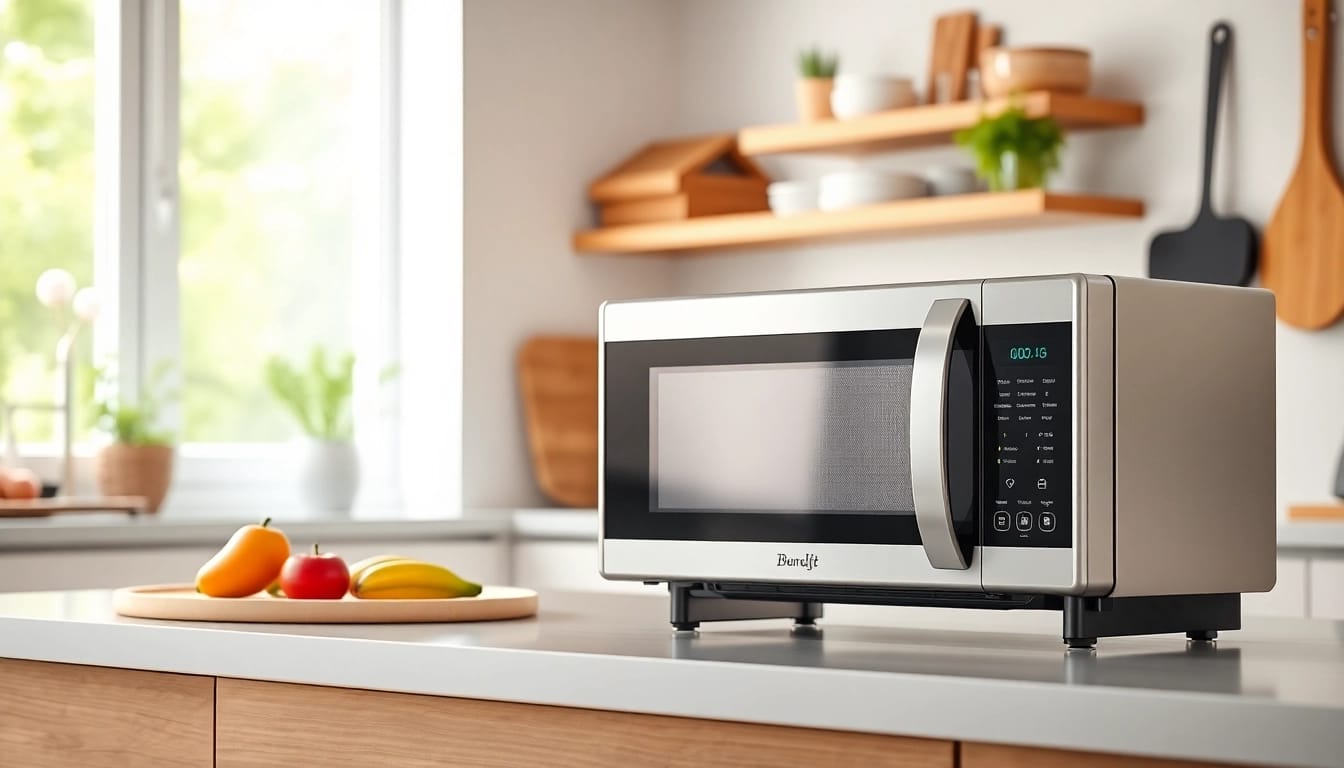
Countertop microwave ovens are the most common type. They are portable and can be placed on countertops or kitchen tables. Features often include:
- Various Wattage Options: Ranging from 600 to 1,200 watts, higher wattages cook food faster.
- Preprogrammed Settings: Many models come with automatic cooking settings for popcorn, pizza, and more.
- Compact Sizes: Perfect for smaller kitchens or dorm rooms, offering flexibility in placement.
Over-the-Range Microwave Oven Benefits
Over-the-range microwaves combine microwave functionality with the convenience of a range hood. Key benefits include:
- Space Saving: They save countertop space, making them ideal for smaller kitchens.
- Ventilation: Designed to vent smoke and odors outside, enhancing kitchen air quality.
- Cooking Flexibility: They often have added features like grill functions or convection settings.
Built-In Microwave Oven Options
Built-in microwave ovens are designed to integrate seamlessly into kitchen cabinetry. Some advantages include:
- Customizable Designs: They can be outfitted with trim kits for a tailored look.
- Efficient Use of Space: Built-in units do not require separate flooring and can match the kitchen aesthetic.
- Accessibility: Installation at eye level can make using the microwave easier for many users.
Key Features to Consider
When selecting a microwave oven, it's essential to consider various features that will affect functionality and user experience.
Power Levels and Cooking Presets
Power levels indicate how intensely a microwave cooks food. Many microwaves offer several power settings to accommodate different cooking tasks. Additionally, cooking presets for specific foods simplify the cooking process by allowing users to select the food type and automatically adjusting time and power settings for optimal results.
Size and Capacity of Microwave Oven
The size of the microwave oven should reflect your cooking habits and kitchen space. Typical capacities range from 0.5 cu. ft. for compact models to over 2.0 cu. ft. for larger ones. Consider the dishes you wish to use; a larger capacity may be needed for oversized dishes or multiple items simultaneously.
Additional Functions and Features
Modern microwave ovens may come with a range of additional features, such as:
- Sensor Cooking: Automatically adjusts cooking times based on humidity levels in the food.
- Steam Cooking: Utilizes steam to cook vegetables and fish without losing nutrients.
- Convection Cooking: Combines microwave and convection heat for more even cooking and browning.
Installation Tips for Your Microwave Oven
Proper installation is crucial for optimal performance and safety when setting up your microwave oven.
Ideal Locations and Height for Installation
Countertop microwave ovens should be installed on a stable surface with adequate airflow. For over-the-range models, ensure that it is installed 18-24 inches above the cooking surface for effective ventilation. Built-in models require standard cabinet dimensions for installation. Always refer to the manufacturer's guidelines.
Safety Precautions During Installation
During installation, ensure that the microwave is properly grounded to prevent electrical hazards. Avoid placing the microwave near heat sources or in damp environments, as this can affect performance and safety.
Professional vs DIY Installation Options
While many homeowners opt for DIY installations of countertop models, over-the-range and built-in microwaves often require professional installation due to their complexity. Assess your comfort level and the requirements of the specific model to decide which approach to take.
Maintenance and Care for Your Microwave Oven
Regular maintenance is vital to prolonging the life of your microwave oven and ensuring its efficiency.
Regular Cleaning Best Practices
Cleaning your microwave regularly prevents food residues and odors from building up. Use a damp cloth with mild detergent to clean the interior. For stubborn stains, a bowl of water with lemon can help loosen residues. The exterior should also be wiped clean to maintain its appearance.
Troubleshooting Common Microwave Oven Issues
If your microwave is not heating properly, first check the power supply and ensure the door closes tightly. If the turntable does not rotate, look for obstructions or ensure it is properly seated. For residual issues, consulting the user manual or a professional may be necessary.
When to Replace Your Microwave Oven
Consider replacing your microwave oven if it frequently malfunctions, exhibits signs of damage, or if it's more than 10 years old. Keeping an outdated model can result in lower energy efficiency and higher operational costs.
FAQs on Microwave Ovens
How do I choose the right size microwave oven?
Consider your kitchen space, family size, and typical food items to determine the right capacity.
Are over-the-range microwave ovens efficient?
Yes, they save counter space and provide additional ventilation for your kitchen.
What wattage is best for a microwave oven?
For general use, 900-1,200 watts offers efficient cooking, heating, and defrosting.
How often should I clean my microwave oven?
Clean it regularly, ideally every week, to keep it hygienic and functioning well.
Can I use metal containers in my microwave oven?
No, metal containers can cause sparks and damage; use microwave-safe materials instead.