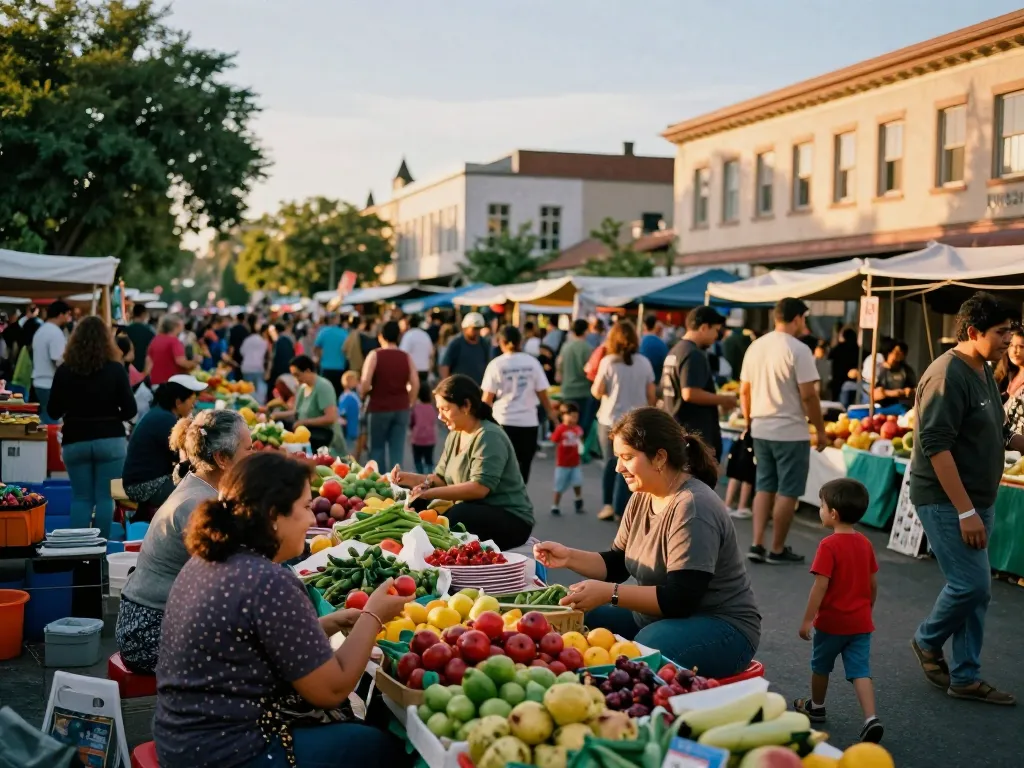
Understanding the Uyghurs Community: Heritage, Challenges, and Resilience
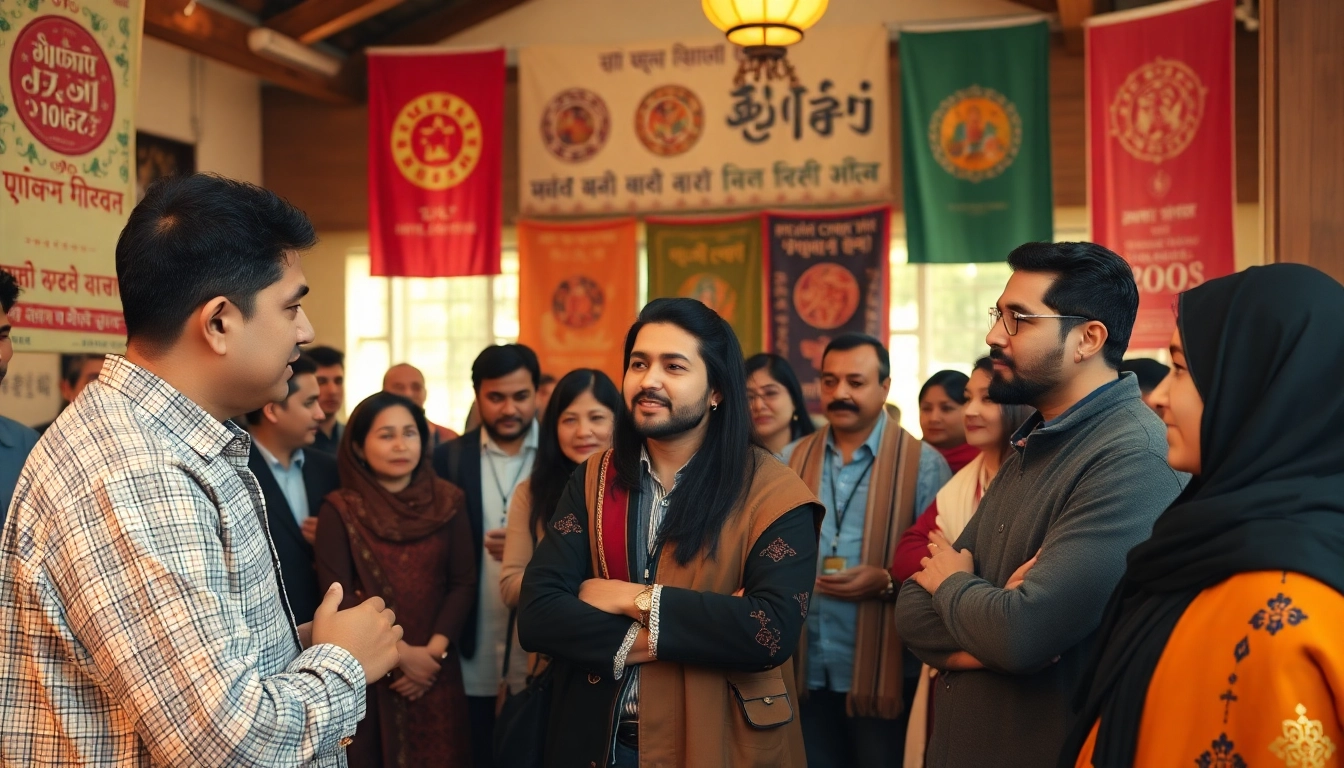
Introduction to the Uyghurs Community
The Uyghurs Community is a vibrant and distinctive group primarily located in the Xinjiang Uyghur Autonomous Region of China. Rich in cultural heritage and history, the Uyghurs are a Turkic ethnic group with deep-rooted traditions, language, and spiritual beliefs. Unfortunately, the community faces numerous challenges today, prompting global discussions around human rights and cultural preservation. Learning about the challenges and resilience of the Uyghurs Community is essential in fostering understanding and support for their ongoing struggles. As we delve deeper into this article, we will explore various aspects of their culture, the current challenges they face, the role of activism, and finally, the steps needed for a supportive future. The intricacies of the Uyghurs Community can profoundly inform our understanding of cultural identity and the importance of community amidst adversity. To understand the broader implications, visit Uyghurs Community.
Overview of Uyghur Culture
The culture of the Uyghurs is rich and multi-faceted, characterized by unique customs, music, dances, and culinary traditions. Uyghur cuisine, for instance, is famed for its diverse flavors, featuring dishes like lamb kebabs, pilaf, and the popular hand-pulled noodles called ‘laghman.’ Music and dance also play a pivotal role in the life of the Uyghurs, with traditional instruments such as the ‘dutar’ and various folk dances that often accompany celebrations.
The Uyghurs primarily practice Islam, which significantly influences their cultural expressions and daily practices. Festivals such as Eid al-Fitr and Eid al-Adha are celebrated with enthusiasm, emphasizing community bonding and spiritual reflection. Additionally, traditional sit-in storytelling sessions and poetic recitations ensure the transmission of Folklore and history to the younger generations.
Historical Context
The historical roots of the Uyghurs trace back to Central Asia, with influences from various dynasties over the centuries. Historically, the region of Xinjiang has been a crossroads for trade, which has allowed different cultures to intermingle. The Silk Road’s prominence brought prosperity and cultural exchange, enriching the Uyghurs but also exposing them to foreign dominances.
In the 20th century, shifting political landscapes led to varying degrees of autonomy and repression. Following the establishment of the People’s Republic of China, ethnic policies towards the Uyghurs have been fraught with tension, marked by changes in how the community has been perceived and treated. Understanding this historical backdrop is vital to comprehending the complexities of the Uyghurs Community today.
Importance of Community
The significance of community within the Uyghurs cannot be overstated. The traditional social structures they uphold, from extended families to local cooperative networks, foster a sense of belonging and mutual support. In times of adversity, these communal ties offer resilience, allowing the Uyghurs to maintain cultural heritage amid external pressures.
Moreover, communal gatherings, whether for festivals or religious ceremonies, reinforce cultural identity. These events serve not just as celebrations but as affirmations of Uyghur existence in a rapidly changing world, fortifying bonds and nurturing a collective memory among the community members.
Current Challenges Facing the Uyghurs Community
Human Rights Concerns
In recent years, the Uyghurs Community has been subjected to significant human rights violations, sparking global outrage and advocacy. Reports from various human rights organizations detail allegations of mass detention in so-called re-education camps, forced labor, and extensive surveillance. These actions are portrayed by the Chinese government as measures for counter-terrorism but are widely recognized by the international community as systematic repression of Uyghur culture and identity.
The detention and indoctrination programs have separated families, with severe repercussions for mental health and community cohesion. Survivors recount experiences of indoctrination, torture, and loss of cultural practices, bringing to light the urgent need for accountability and protections for human rights.
Social and Economic Issues
Alongside cultural repression, the Uyghurs Community faces pressing social and economic challenges. Increased restrictions on freedom of movement have curtailed access to education, employment opportunities, and healthcare. Many Uyghurs are economically marginalized, with disproportionate access to resources compared to Han Chinese individuals in urban areas.
Social dynamics have shifted under oppressive policies, leading to reduced trust within the community. Young Uyghurs, particularly, find themselves at a crossroads, grappling with the legacy of their culture while navigating modernized economic landscapes that often exclude them.
Impact of Globalization
Globalization has had a dual impact on the Uyghurs Community. While it presents opportunities for economic growth, it simultaneously threatens the preservation of cultural and religious identity. As Western ideals permeate everyday practices, younger generations may gravitate towards globalization at the cost of abandoning their rich traditional heritage.
The interaction with global marketplaces and technology offers youth new avenues for livelihood, yet it diminishes their connection to cultural roots and historical narratives. Striking a balance between leveraging global trends while preserving cultural identity has thus emerged as a pressing challenge for the community.
The Role of Activism in the Uyghurs Community
Global Awareness Campaigns
Activism plays an essential role in advocating for the Uyghurs Community, fostering awareness on both local and global scales. Activists, both Uyghur and non-Uyghur, have mobilized networks using social media and public demonstrations to draw attention to human rights abuses.
These campaigns often include petitions, boycotts against companies complicit in oppression, and collaborations with human rights organizations. By employing storytelling techniques, activists humanize the struggles, making the challenges facing the Uyghurs more relatable and urgent for international audiences.
Community Organizing
Grassroots movements within the Uyghurs Community have emerged as vital vehicles for fostering solidarity and protection among members. Community organizing efforts focus on enhancing local support networks, providing resources, and ensuring representation on critical issues.
Local gatherings and cultural events serve as platforms for raising awareness, fund-raising initiatives, and direct activism. They reinforce the identity and cultural fabric of the Uyghurs, enabling members to reassert their collective narrative in a world that seeks to marginalize them.
Partnerships with International Organizations
The Uyghurs Community has increasingly partnered with several international organizations to amplify their voice on platforms where they may lack representation. These partnerships foster advocacy endeavors aimed at holding governments accountable for human rights violations.
Organizations such as Amnesty International and Human Rights Watch have documented abuses while supporting Uyghur activists. Collaboration extends beyond mere advocacy; it offers strategic insights and resources to empower the community in its struggle for rights and recognition.
Cultural Heritage and Preservation within the Uyghurs Community
Traditional Practices and Festivals
Despite the challenges posed by political repression, the Uyghurs Community remains steadfast in preserving its cultural heritage through traditional practices and festivals. Events such as Nowruz and the Eid festivals are celebrated with fervor, encapsulating the essence of Uyghur identity.
These festivals serve as opportunities for community-building, reinforcing cultural narratives and values. Traditional clothing, music, and culinary practices are showcased, forming a vital link to the past while inspiring future generations to cherish their heritage.
Language and Education Efforts
Language preservation stands at the heart of the Uyghurs’ cultural identity, with efforts underway to promote and revitalize the Uyghur language among younger generations. Community-led initiatives focus on teaching the language and empowering youth with historical narratives and literature.
Educational programs that foster bilingualism aim to bridge the gap between maintaining cultural identity and navigating global contexts. While challenges persist, increasing investment in Uyghur language programs has proven invaluable in preserving the richness of the community’s linguistic heritage.
Artistic Expression and Media
Art serves as a powerful medium for the Uyghurs Community to express their identity, resilience, and struggles. Music, dance, and visual arts have been utilized to convey narratives of their experiences, bridging cultural gaps and connecting with broader audiences. The artistic space provides an avenue for healing while fostering preservation of cultural practices.
Media representation has also evolved, with Uyghurs leveraging digital platforms to share their stories and cultural artifacts. Digital marketing and social media campaigns help disseminate their experiences globally, bringing awareness to issues that might otherwise remain marginalized.
Building a Supportive Future for the Uyghurs Community
Creating Alliances
The road ahead for the Uyghurs Community calls for establishing strategic alliances with other marginalized communities and social movements worldwide. Such alliances foster unity and leverage collective experiences for greater advocacy and support.
Identifying common objectives, sharing resources, and supporting one another can amplify voices, challenge oppression, and create broader awareness of the interconnected challenges that marginalized groups face globally.
Government Policy Advocacy
Advocacy for CHANGE in government policies regarding the Uyghurs is critical for obtaining justice and accountability. Engaging with policymakers and stakeholders, both within China and internationally, can spotlight issues that require legislative action.
Campaigns seeking to impose sanctions on individuals or entities responsible for human rights abuses provide a proactive approach to demand accountability while prioritizing the protection of cultural integrity and identity.
Empowering Future Generations
Empowerment of future generations is vital for the continuity of the Uyghurs Community’s cultural narrative and resilience. Programs that focus on leadership training, skill development, and cultural education ensure that young Uyghurs are equipped to navigate their futures while remaining grounded in their heritage.
Inspiration from historical figures, role models, and community leaders fosters pride and strengthens identity. Efforts aimed at cultivating leadership skills enhance individual and collective agency, equipping the community to champion its rights and culture amid contemporary challenges.
FAQs
What are the core elements of Uyghur culture?
Uyghur culture includes unique customs, cuisine (like pilaf and kebabs), music, dance, and Islamic traditions, which are integral to their identity.
What challenges are the Uyghurs facing today?
The Uyghurs face serious human rights violations, including mass detentions, forced labor, and cultural erasure, affecting their community cohesion.
How is activism supporting the Uyghurs Community?
Activism raises awareness, fosters solidarity among the Uyghurs Community, and campaigns for human rights through grassroots movements and global partnerships.
What efforts are being made to preserve Uyghur culture?
Efforts include promoting the Uyghur language, celebrating traditional festivals, and supporting artistic expression, ensuring cultural continuity amidst adversity.
How can allies support the Uyghurs Community?
Allies can support by amplifying Uyghurs’ voices, engaging in advocacy efforts, raising awareness of their plight, and supporting policies protecting their rights.