Essential Components of a Fly Fishing Kit for Every Angler
For anyone intrigued by angling, finding the right Fly fishing kit is crucial. A well-curated kit not only makes the experience enjoyable but also enhances the chances of pulling in a catch. This comprehensive guide will delve into the world of fly fishing kits, exploring their components, benefits, and how to select and maintain them effectively.
Understanding Fly Fishing Kits
What is a Fly Fishing Kit?
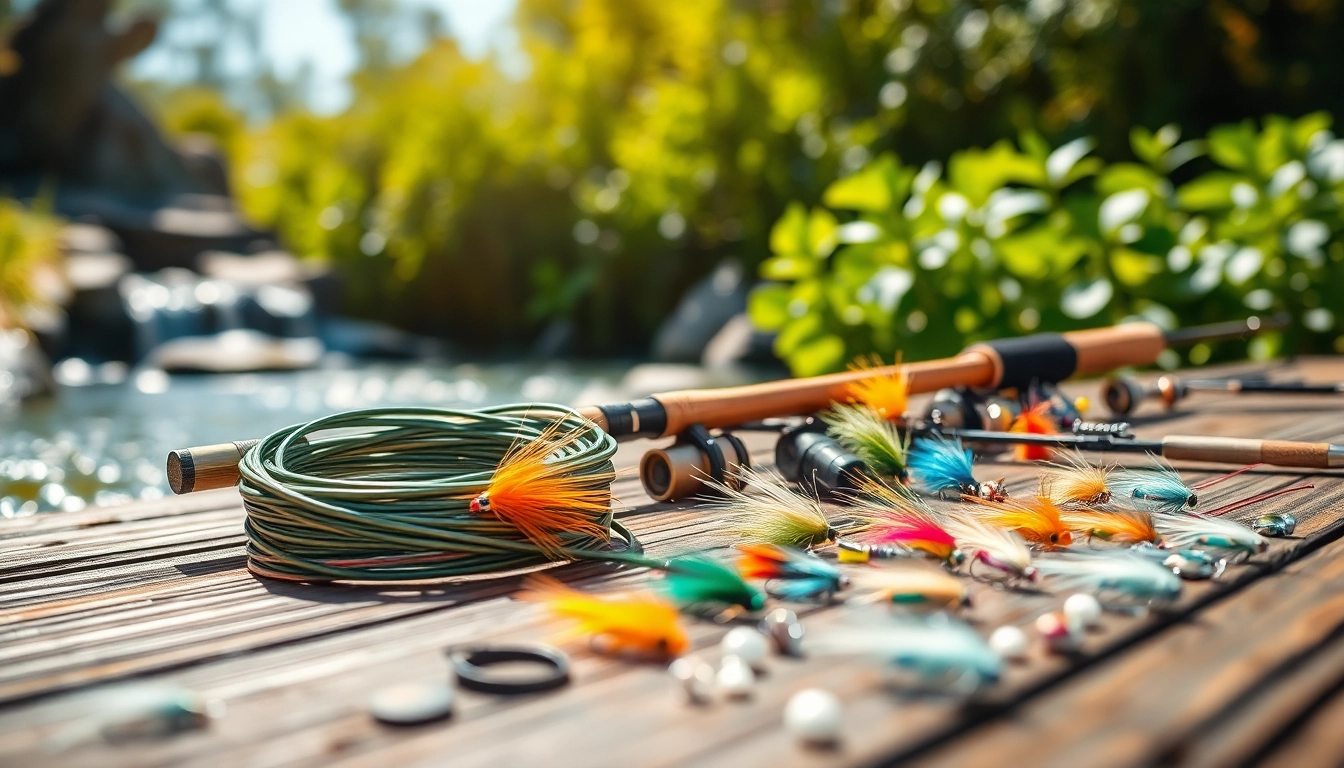
A fly fishing kit is essentially a collection of essential tools and equipment designed to make fly fishing accessible and enjoyable, especially for beginners. These kits vary widely, catering to different skill levels and preferences. Typically, they include a fly rod, reel, line, and sometimes flies, making it easy for anglers to start their fishing journey without the hassle of selecting each component separately.
Key Components of a Fly Fishing Kit
Understanding what goes into a fly fishing kit is vital for optimal performance. Here are the standard components:
- Fly Rod: The backbone of any fishing setup, fly rods come in various lengths and actions. They are designed to cast lightweight flies and can greatly affect casting distance and accuracy.
- Fly Reel: Essential for storing the fly line and providing drag during a catch, a good fly reel helps to manage line tension.
- Fly Line: The weighted line, critical for casting, it comes in various types (floating, sinking, or intermediate) tailored for different fishing scenarios.
- Leader Line: This is a stronger line that connects the fly to the backing line. It should be invisible in the water to avoid spooking fish.
- Flies: These are artificial lures designed to mimic the appearance and movement of natural prey.
- Accessories: Tools such as nippers, forceps, and fly boxes might also be included for added convenience.
Benefits of Using a Fly Fishing Kit
Investing in a fly fishing kit presents a few distinct advantages:
- Convenience: A kit packages everything needed, allowing users to head straight to the water without additional shopping.
- Cost-Effectiveness: Purchasing components individually may be more expensive; kits often provide better value.
- Tailored Setup: Kits are usually designed to work together, ensuring compatibility which is critical for performance.
- Educational Experience: Beginners can learn about each component’s function and usage, building essential skills for fly fishing.
Choosing the Right Fly Fishing Kit
Factors to Consider When Buying
Selecting the right fly fishing kit requires careful consideration of several factors, including:
- Skill Level: Beginners should look for kits specifically designed for novices, featuring easy-to-use components.
- Target Species: Different species require different tackle. Consider what you aim to catch.
- Water Type: Freshwater and saltwater fishing have different requirements. Ensure your kit suits the environment.
- Budget: Determine a realistic budget that reflects not only the cost of the kit but also any ongoing gear maintenance.
- Brand Reputation: While avoiding mentioning brands, it’s wise to seek kits that come with positive reviews and are known for quality.
Best Practices for Novice Anglers
For those just starting out, here are some best practices:
- Participate in Workshops: Join classes or workshops to learn fundamental techniques and safety practices.
- Start Simple: Focus on easy-to-catch fish species and simple flies until mastering the basics.
- Get Familiar with Gear: Understanding your kit’s components can improve confidence and performance.
- Practice Casting: Spend time honing your casting skills before going out on the water.
Fly Fishing Kits for Specific Environments
Different fishing environments require specialized gear. Here’s a brief overview:
- Small Streams: Opt for lightweight rods and ultra-sensitive lines to navigate tight spaces.
- Lakes: Look for kits with floating lines and longer rods to manage distance.
- Saltwater: Choose durable materials that can withstand the harsh conditions of saltwater fishing.
Setting Up Your Fly Fishing Kit
Step-by-Step Guide for Beginners
Setting up your fly fishing kit might seem daunting at first, but following these steps can streamline the process:
- Attach the Reel: Begin by securing the reel onto the rod’s reel seat, ensuring it’s locked in place.
- Spool the Line: Carefully spool the fly line at the proper tension to avoid tangles.
- Add the Leader Line: Tie the leader line to the end of the fly line using an appropriate knot.
- Attach the Fly: Secure the fly to the end of the leader with a knot suited for fly fishing.
- Check Your Gear: Ensure everything is in order—inspect knots, line tension, and equipment for any issues.
Common Mistakes to Avoid
Being aware of common pitfalls can save frustration:
- Poor Knot Tying: Weak knots can lead to lost fish. Practice tying your knots before hitting the water.
- Overcasting: Beginners often cast too hard. Focus on technique rather than force.
- Ignoring the Wind: Wind can greatly affect your cast. Be mindful and adjust accordingly.
How to Maintain Your Fishing Gear
Proper maintenance enhances the longevity of your gear:
- Rinse and Dry: Always rinse your equipment after saltwater use and dry it before storage.
- Check for Wear: Regularly examine your line and knots for signs of wear.
- Storage: Store your gear in a cool, dry place to prevent damage from humidity and temperature fluctuations.
Advanced Techniques for Using a Fly Fishing Kit
Improving Casting Techniques
As you gain confidence, focus on refining your casting technique. Here are advanced tips:
- Double Haul Casting: This technique adds distance and control—practice short and long casts with this method.
- Roll Casts: Useful in tight spaces, practice this to maneuver without needing backcasting room.
Understanding Hydration and Fish Behavior
Understanding the precise relationship between fish behavior and environmental factors can increase your chances of success. Know when fish are most active and what conditions influence their feeding.
Utilizing Fly Patterns Effectively
Different flies attract different fish. Experimenting with a variety of patterns can often yield surprising results. Understanding insect hatches and seasonal trends is key to this.
FAQs About Fly Fishing Kits
What should I include in my Fly fishing kit?
Your essential items should include a fly rod, reel, line, leader, flies, and basic tools like nippers and forceps.
How much should I spend on a Fly fishing kit?
Prices vary based on quality and features. A beginner kit generally ranges from $100 to $300, depending on components.
Are there Fly fishing kits specifically for beginners?
Yes, many companies offer kits designed with novice anglers in mind, often featuring easy-to-use equipment and instructional materials.
Can a Fly fishing kit be used in saltwater?
Some kits are specifically designed for saltwater use. Ensure your rod, reel, and line are compatible with these conditions.
How do I choose the best Fly fishing kit for my needs?
Consider your experience level, target species, and fishing environments before selecting a kit to ensure it meets your fishing goals.