
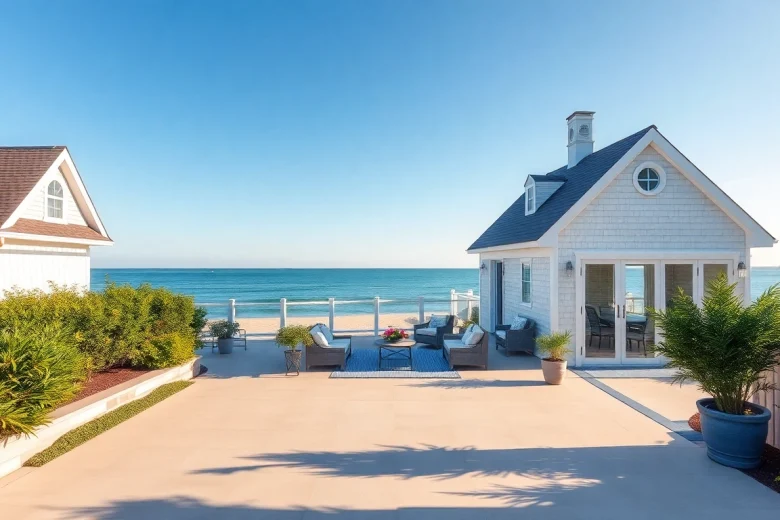
Understanding the Need for Scituate In-Law Expansion
As the dynamics of family living evolve, many homeowners are turning to in-law expansions to accommodate their loved ones. The Scituate In-Law Expansion serves as a perfect example of how homeowners can effectively adapt their structures to suit multi-generational living. In this article, we will explore the nuances of in-law expansions, the myriad benefits they provide, and potential alternatives to consider.
Defining In-Law Expansions
An in-law expansion typically involves adding a living space to a residence that allows family members to retain a sense of independence while remaining close to home. This space is often designed with a separate entrance, kitchen, and bathroom, providing essential amenities to ensure comfort and privacy. In-law suites have become increasingly popular not only for parents or adult children but also for caregivers or guests.
Benefits of Scituate In-Law Expansion
The advantages of a Scituate In-Law Expansion are multifold. Here are some key benefits:
- Proximity to Family: Having family members close can provide emotional support and facilitate caregiving.
- Increased Property Value: A well-designed in-law suite adds square footage and value to your home, appealing to future buyers.
- Multifunctional Space: Depending on the layout, the suite can serve various purposes, from a guest room to a home office.
- Enhanced Privacy: Designed with an independent entrance, the in-law suite allows for privacy for both the residents of the main house and the family member living in the suite.
Alternatives to Expansion
While in-law expansions are beneficial, they may not be the only option for families looking to accommodate loved ones. Alternatives include:
- Home Modifications: Instead of a new space, consider modifying existing areas of the home for accessibility.
- Rental Units: If zoning laws permit, homeowners could convert a basement or attic into a rental unit for an extended family member.
- Care Facilities: For those who may require more extensive support, assisted living facilities could be a suitable alternative.
Design Strategies for Successful Scituate In-Law Expansion
Choosing the Right Architecture Styles
The architectural style of the in-law expansion should complement the existing home to maintain aesthetic harmony. Whether opting for traditional or modern designs, consider factors like rooflines, materials, and overall proportions. Consistency in style not only enhances curb appeal but also ensures a cohesive look that blends seamlessly with the original structure.
Incorporating Sustainable Features
Sustainability is increasingly important in modern home design. Integrating energy-efficient appliances, solar panels, and rainwater harvesting systems into your in-law expansion can promote environmental consciousness and reduce utility costs. Additionally, the use of renewable materials, such as bamboo flooring or recycled steel, can further increase the structure’s sustainability quotient.
Functional Room Layouts
When designing the internal layout of an in-law expansion, prioritize functionality and comfort. Consider the needs of the future residents, incorporating features such as:
- Open Floor Plans: These maximize space and natural light, making small areas feel larger and more inviting.
- Accessible Kitchens: Provide necessary appliances in an efficient layout to encourage autonomy during meal preparation.
- Adaptable Spaces: Design with flexibility in mind; rooms that can easily transition from a bedroom to a home office accommodate changing family needs.
Legal and Zoning Considerations
Understanding Local Zoning Laws
Before embarking on a Scituate In-Law Expansion project, it’s crucial to familiarize yourself with local zoning laws. These regulations dictate the allowable structures and their uses on your property. Many municipalities have specific zoning classifications for accessory dwelling units (ADUs), which often encompass in-law expansions.
Permits and Approvals for Expansion
Obtaining the necessary permits is crucial for legal compliance. Generally, a building permit is required, along with potential inspections. It’s wise to consult with a local contractor or architect who can guide you through the permit process, ensuring that your in-law suite adheres to all relevant building codes.
Engaging with Local Authorities
Engaging with local authorities is essential for a smooth expansion process. Start by contacting your planning department to schedule a consultation. This dialogue will clarify any specific guidelines, timelines, and requirements, which will prepare you better for your project and help avoid roadblocks later on.
Cost Estimates and Budget Planning
Analyzing the Cost of Scituate In-Law Expansion
The cost of a Scituate In-Law Expansion can vary widely, influenced by factors such as size, design, materials, and local labor rates. Homeowners should budget not only for construction costs but also for potential unforeseen expenses. Generally, on average, a quality in-law suite costs anywhere from $100,000 to $250,000. Obtaining multiple estimates from contractors can help ensure a competitive price.
Financing Options and Grants
Financing an in-law expansion can be approached in several ways. Homeowners might consider personal loans, home equity lines of credit, or specialized grants aimed at accessibility modifications. Researching and comparing these options can lead to a more affordable financing plan.
Budget Management Tips
Effectively managing your budget is vital for a successful expansion. Here are some pivotal tips:
- Plan Comprehensive Estimates: Ensure you account for all expenses, from permits to landscaping.
- Set a Contingency Fund: Allocate 10-15% of your total budget for unexpected costs that may arise during construction.
- Communicate with Your Contractor Regularly: Ongoing dialogues can help keep the project on track and within budget.
Maintenance and Upkeep for In-Law Expansions
Regular Maintenance Checklist
Proper maintenance extends the life of your in-law expansion. Develop a regular upkeep checklist, which includes tasks such as:
- Inspecting roofing and gutters for damage.
- Cleaning HVAC systems to ensure they work efficiently.
- Checking plumbing and electrical systems for any signs of wear.
Seasonal Adjustments and Repairs
As seasons change, the needs of your in-law unit may also change. Be prepared for seasonal adjustments:
- Winterizing plumbing systems to avoid freeze damage.
- Maintaining outdoor spaces, including clearing snow or maintaining gardens in warmer months.
Long-Term Care and Renovation Tips
Over time, your in-law expansion may require renovations to adapt to family needs. Consider these long-term care tips:
- Regularly updating decor and appliances to maintain the suite’s appeal.
- Assessing the need for larger renovations if occupancy changes.
Frequently Asked Questions
What is a Scituate In-Law Expansion?
A Scituate In-Law Expansion typically refers to adding an independent living space attached to or within a main residence for family members.
How can I finance my Scituate In-Law Expansion?
Options include personal loans, home equity lines of credit, or specific grants for home modifications aimed at accessibility.
What permits are needed for the expansion?
You’ll need a building permit and should check local zoning laws regarding in-law units. Consult your local planning department.
Can I add rental capabilities to my Scituate In-Law Expansion?
Yes, but you need to ensure compliance with local rental laws and zoning regulations for accessory dwelling units.
What are common design features for in-law expansions?
Popular design features include independent entrances, small kitchens, and adaptable living spaces that enhance autonomy for family members.