Crafting Extraordinary Interior Design Dubai Experiences That Inspire
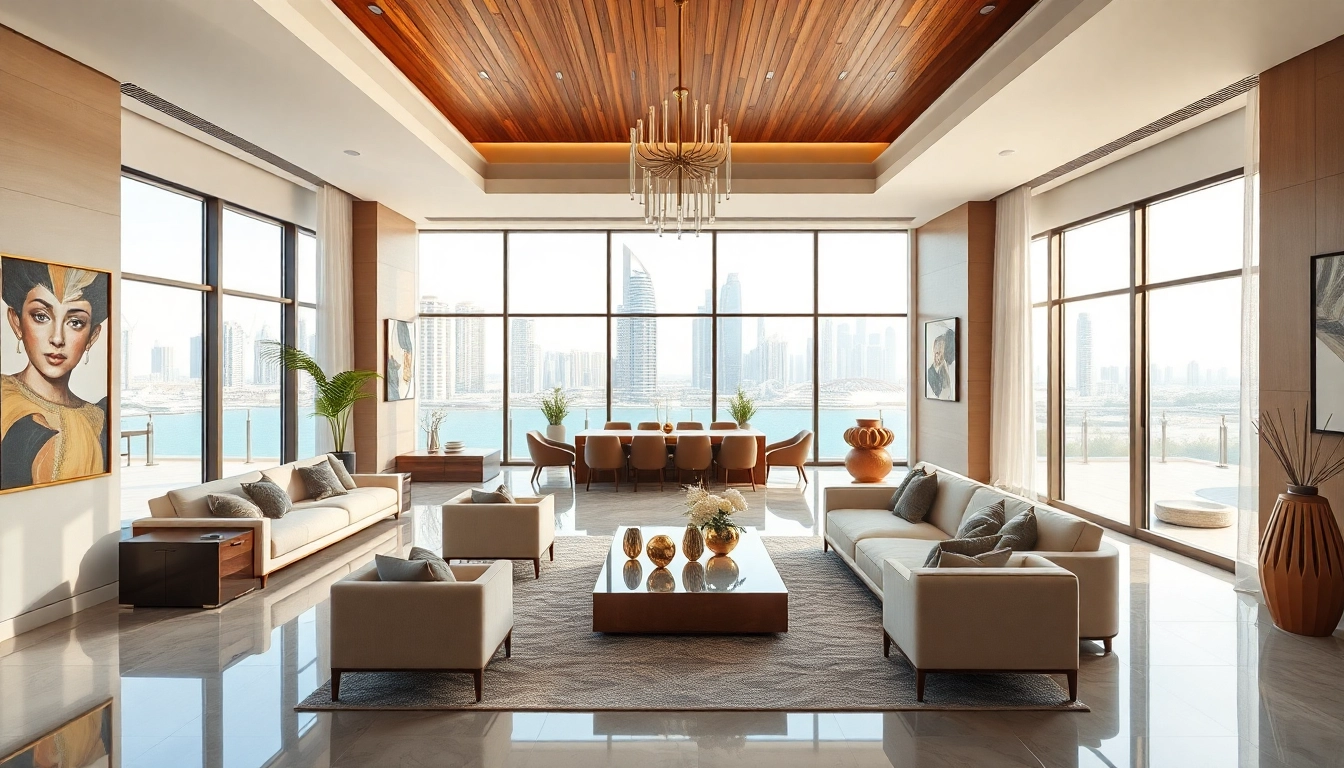
Interior design in Dubai is a rapidly evolving concept that showcases the fusion of innovative ideas, cultural influences, and cutting-edge technology. This vibrant metropolis is known for its luxury, wealth, and eclectic styles that redefine living and workspace aesthetics. Whether you are seeking to renovate your home, create an extraordinary office environment, or design an opulent hotel, the choices and trends in interior design dubai can greatly enhance your vision.
Understanding Interior Design Dubai Trends
Current Aesthetic Movements in Dubai
Dubai’s interior design scene is characterized by distinct aesthetic movements that reflect both contemporary styles and traditional influences. Minimalism is gaining traction, favoring clean lines, functional spaces, and muted color palettes. In contrast, maximalism embraces bold colors, extravagant patterns, and decorative elements that stimulate visual interest. Each of these movements allows designers to express creativity and individuality.
Moreover, biophilic design is increasingly popular in Dubai, incorporating natural elements into interiors. This trend utilizes plants, natural light, and organic materials to create an atmosphere that promotes well-being and connection with nature. The integration of technology—smart home systems and automated design features—is a defining trend that merges luxury with practicality.
Incorporating Culture into Designs
Dubai’s rich cultural tapestry is mirrored in its interior designs. Drawing from Arab traditions, modern designs often incorporate intricate geometric patterns, rich textiles, and vibrant colors reminiscent of Middle Eastern heritage. This cultural fusion creates spaces that feel both contemporary and deeply rooted in the region’s history.
Interior designers are increasingly knowledgeable about local traditions, enabling them to weave cultural elements into their design projects, making the space not just aesthetic but also meaningful.
Innovative Materials and Finishes
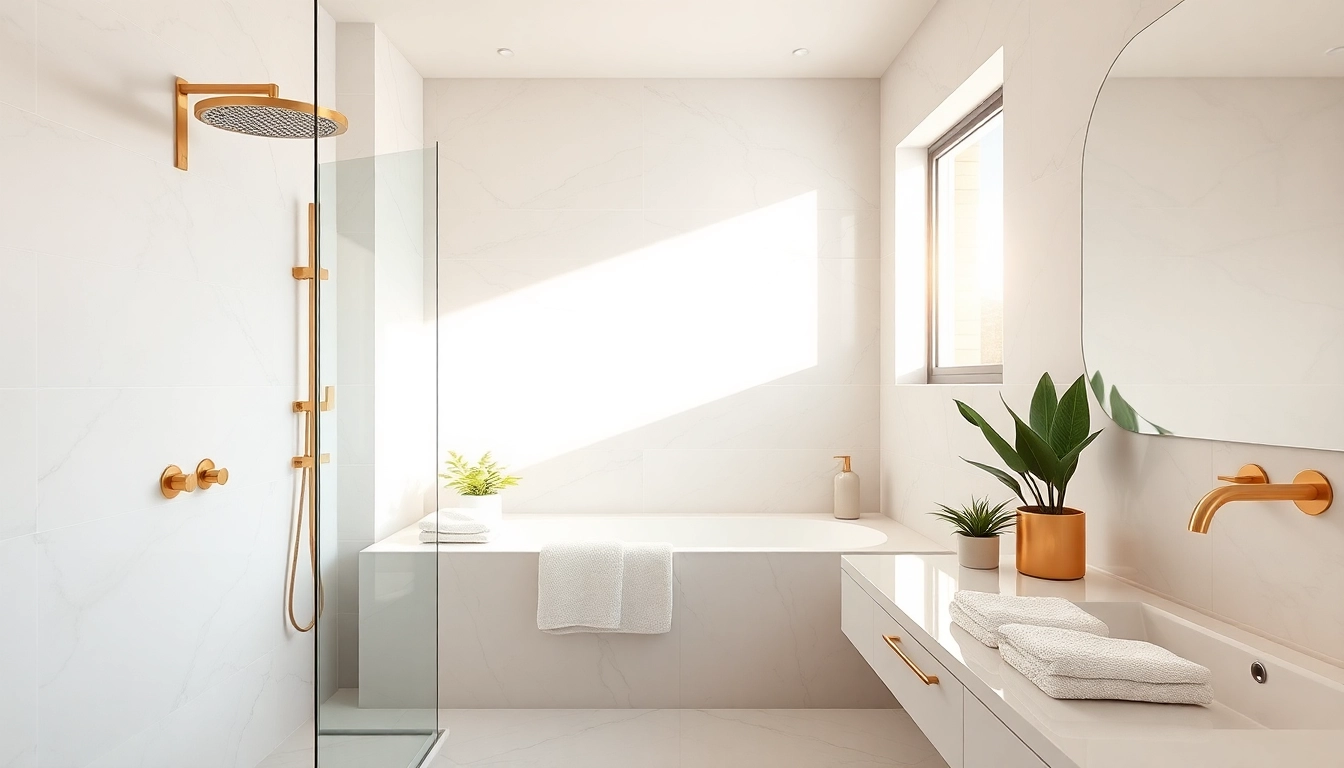
Material selection in interior design is pivotal in achieving desired aesthetics and functionality. In Dubai, materials are chosen based on both luxury and durability; marble, glass, and metals are commonly used to evoke elegance and sophistication. Emerging materials, such as sustainable composites and recycled resources, reflect a growing awareness of environmental impacts and a shift towards eco-friendly solutions.
Finishes play a significant role in enhancing the overall look. High-gloss finishes, matte textures, and artisanal decor can drastically alter the feel of a space, providing endless possibilities for personalization and style realization.
Choosing the Right Interior Design Dubai Services
Evaluating Professional Design Portfolios
When selecting an interior design service in Dubai, it is essential to evaluate various professional portfolios. A well-rounded portfolio should showcase a variety of styles and projects, from residential homes to commercial spaces. Potential clients should look for completed projects that resonate with their vision while also demonstrating the designer’s versatility in approach and execution.
Moreover, portfolios should highlight the designer’s ability to merge functionality with aesthetics. Understanding how each project was approached and the challenges faced can provide insights into the designer’s methodology and problem-solving skills.
Assessing Client Testimonials and Reviews
Testimonials from previous clients serve as a valuable resource when selecting an interior designer. Genuine reviews can illuminate the designer’s strengths and weaknesses, giving prospective clients a clear sense of what to expect. Look for feedback related to communication, project management, adherence to budget, and overall satisfaction.
Consider reaching out to former clients for more in-depth insights about their experiences. This direct reflection offers a transparent view of the designer’s work ethic and final outcomes.
Establishing Clear Design Objectives
Before embarking on any design project, it’s crucial to establish clear objectives. Clients should communicate their vision, lifestyle needs, and any specific requirements upfront. This enables designers to tailor their approach effectively and ensures that the final outcome aligns with the client’s expectations.
Additionally, incorporating budget factors and timeline expectations during the initial discussions helps to prevent misunderstandings during the design process, ensuring a smoother workflow.
Budgeting for Interior Design Dubai Projects
Understanding Cost Ranges for Various Spaces
Budgeting is an indispensable part of any interior design project. Understanding the cost ranges for different types of spaces can significantly influence decisions. For example, designing a studio apartment may range from approximately 10,000 to 25,000 AED, while a villa could be upwards of 80,000 AED. Isolating costs by project type assists in making informed decisions while planning.
These ranges can vary significantly based on the scope of work, materials chosen, and designer expertise, making comprehension of these variables crucial for budget management.
Identifying Budget-Friendly Design Options
For clients with limited budgets, identifying cost-effective design options is essential. Dubai offers numerous choices, from affordable material alternatives to sourcing decor from local artisans. Utilizing retail options for furniture and decor can also yield significant savings while still achieving a stylish look.
Moreover, DIY design elements, such as creating custom artwork or reupholstering existing furniture, can creatively enhance spaces without overspending.
Handling Unforeseen Expenses
Every design project has the potential for unforeseen expenses, making it critical to include a contingency fund within the budget. Generally, a buffer of around 10-20% of the project budget should be set aside for unexpected costs that may arise during the design process.
Communication with the design team about potential issues and problem-solving methods can minimize these surprises and maintain transparency with clients.
Maximizing Space in Interior Design Dubai
Effective Layouts for Small Areas
Designing small spaces in Dubai presents unique challenges that require innovative solutions. Utilizing open layouts can create an illusion of more space. Multifunctional furniture, such as fold-out tables or sleeper sofas, provides practicality without compromising style.
Incorporating mirrors and light color palettes can also enhance spatial perception, making areas feel larger and more inviting.
Multi-Functional Furniture Solutions
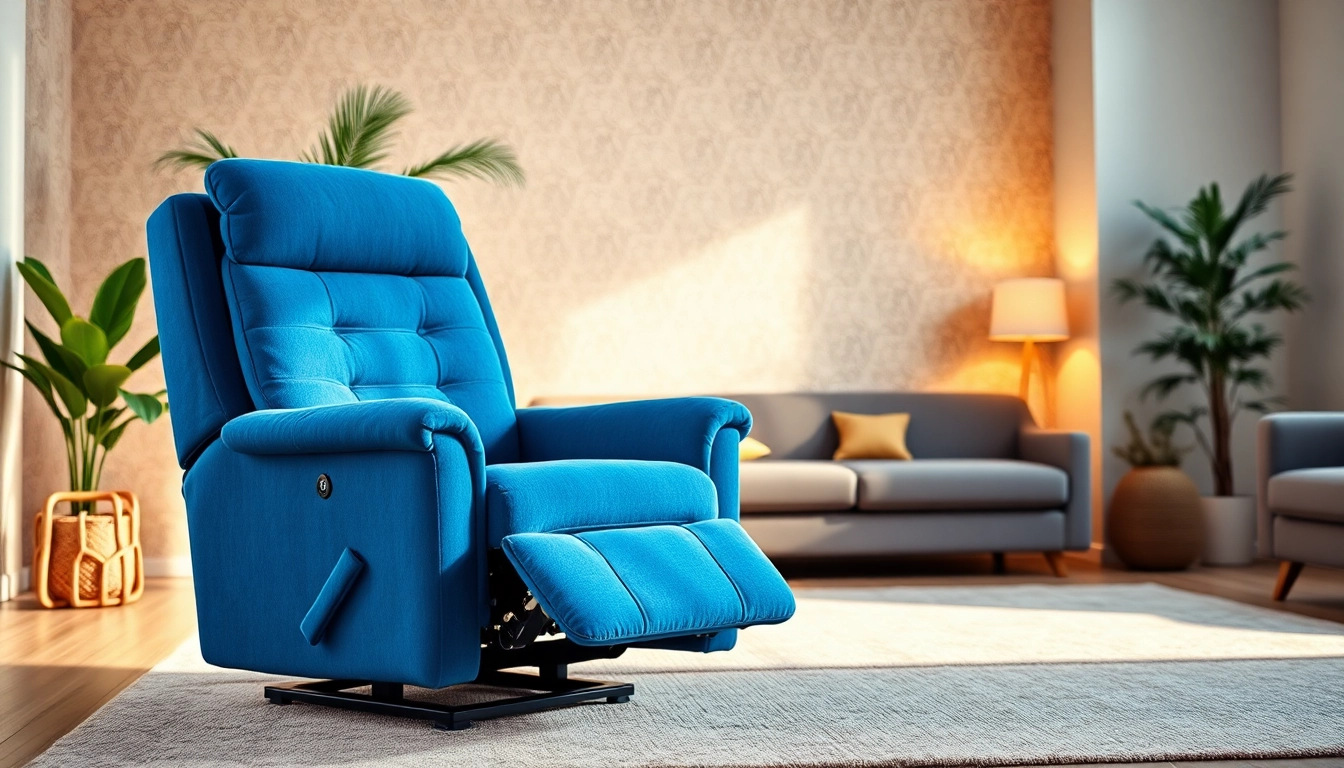
Multi-functional furniture is a game-changer in maximizing space. Designers in Dubai often integrate pieces such as ottomans with hidden storage or desks that convert into dining tables. These solutions provide versatility and facilitate seamless transitions between different room functions.
This trend not only caters to smaller living spaces but elevates the overall aesthetic with stylish and functional pieces that adapt to various needs.
Creating Flow and Functionality
The flow of a space is critical in enhancing functionality and user experience. Designers focus on creating pathways between furniture, ensuring there’s enough room for movement while maintaining the integrity of the design. This is especially vital in social spaces like living rooms and kitchens, where interaction is expected.
Strategically positioned furniture pieces can invite interaction, while thoughtful design choices can encourage natural movement throughout the space, making it both beautiful and functional.
Final Touches in Interior Design Dubai
Choosing Artwork and Decor
Artwork and decor are pivotal in expressing personality and completing interior spaces. In Dubai’s aesthetic styles, selecting the right artworks—be it local artists, traditional pieces, or modern works—can significantly enhance the ambiance and inject character into the design.
Furthermore, curated decor items such as vases, sculptures, and textiles can add layers of texture and visually balance the space.
Dressing Spaces with Textiles
Textiles play a transformative role in interior design. Whether it’s elegantly draped curtains, plush rugs, or an array of cushions, textiles can unify a design and add warmth. Additionally, integrating various fabrics can create depth and richness, reflecting the diverse cultural influences present in Dubai.
Choosing appropriate textiles that correspond with the overall design theme encourages a seamless integration of form and function.
Maintaining and Refreshing Designs
Careful maintenance and occasional refreshing of interior spaces can extend the life of designs and keep them looking vibrant. Simple updates such as seasonal decor changes or replacing worn textiles can reinvigorate a space without a complete overhaul.
Regular cleaning and care are also essential, particularly in high-traffic areas, ensuring durability and preserving the beauty of the original design.
FAQs About Interior Design Dubai
What are the typical costs for interior design in Dubai?
The costs can vary widely based on property type and design complexity. For a studio, it may range from 10,000 to 25,000 AED, while villas can cost 80,000 AED and above.
How long does a typical design project take?
Project timelines depend on size and scope. Smaller projects may complete in a few weeks, while larger renovations can take several months.
Can I design my space with limited funds?
Yes, budget-friendly options exist. Consider sourcing from retail shops, using multi-functional furniture, and implementing DIY elements.
What are some emerging design trends in Dubai?
Emerging trends include biophilic design, minimalism, and the integration of smart home technologies that enhance both aesthetics and functionality.
How do I maintain my interior design after completion?
Regular cleaning, updating textiles, and rotating decor elements can keep your space looking fresh and vibrant over time.