Choosing the Right Exit Door: Styles, Materials, and Benefits
Understanding the Importance of an Exit Door
Defining the Role of an Exit Door
An exit door is a crucial component of a building’s architecture, playing an integral role in providing safe and efficient egress during emergencies. It serves not only as a point of transition between different spaces but also as an essential component in maintaining the building’s safety protocols. The significance of an exit door extends beyond aesthetics; it is designed to comply with safety standards and regulations that ensure the well-being of occupants.
Key Functionalities of Exit Doors
The primary functionalities of an exit door include safe egress, accessibility, and security. Each exit door must be designed to facilitate a quick and unobstructed exit during emergencies such as fires or natural disasters. Accessibility features are critical, ensuring that individuals with disabilities can exit buildings without difficulty. Furthermore, security features protect buildings from unauthorized access while still allowing for safe exits.
How Exit Doors Enhance Safety
Exit doors significantly enhance safety by contributing to a building’s overall emergency exit strategy. Properly designed exit doors can prevent hazards such as smoke spread during fires, ensuring that occupants can exit quickly and safely. Additionally, exit doors equipped with panic hardware enable swift opening, while clear signage can direct occupants towards the nearest exits during emergencies.
Types of Exit Doors Available
Exploring Different Materials for Exit Doors
Exit doors are constructed from various materials, each offering unique advantages. Common materials include:
- Steel: Known for its durability and strength, making it ideal for high-security environments.
- Wood: Offers a classic aesthetic but may require more maintenance to ensure longevity.
- Fiberglass: Provides excellent insulation and resist denting, suitable for high-traffic areas.
- Aluminum: Lightweight and corrosion-resistant, often found in commercial settings.
Design Styles of Exit Doors
Exit doors come in various designs that cater to different architectural styles. Some common design styles include:
- Traditional: Features classic panels and finishes that blend with historical designs.
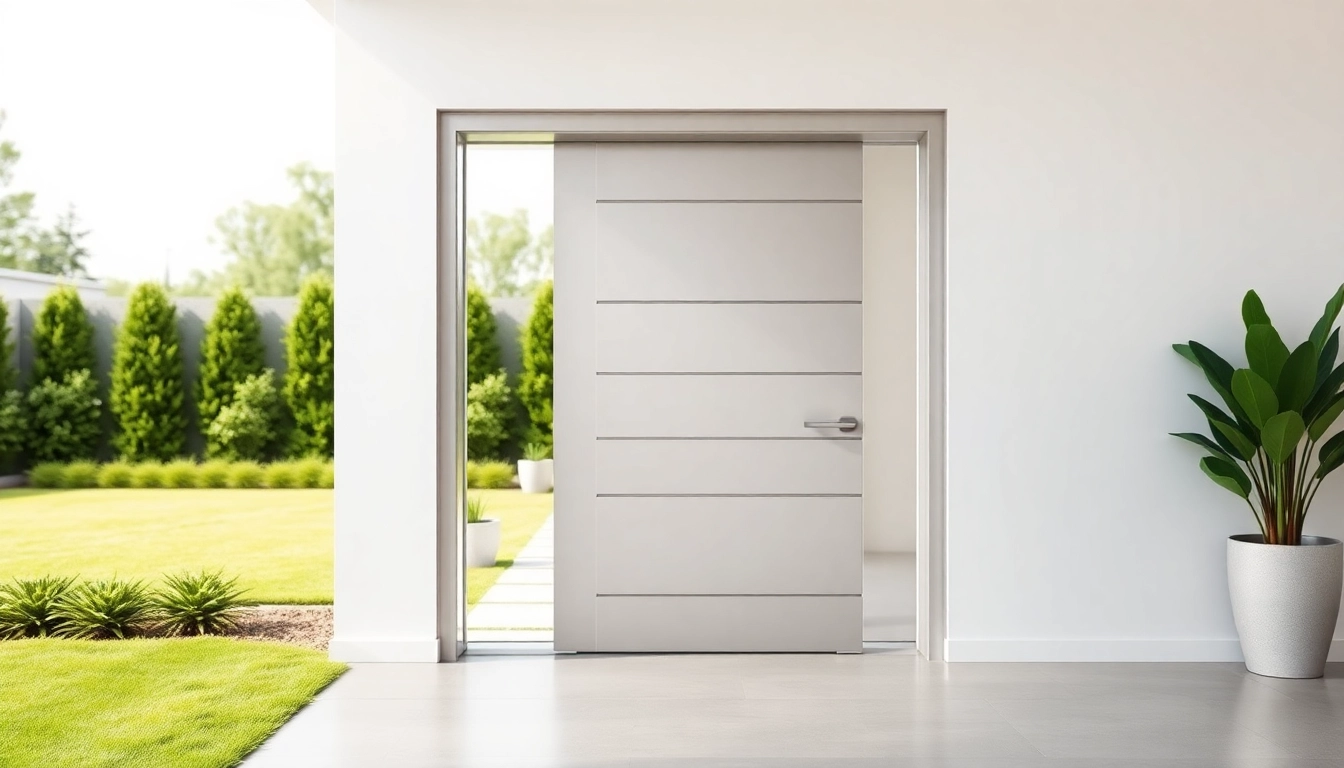
- Contemporary: Focuses on sleek, minimalist designs, often made with glass for a modern touch.
- Industrial: Emphasizes rugged materials and utilitarian aesthetics suitable for lofts and warehouses.
- Custom Designs: Tailored to fit the specific design requirements of a building, offering great flexibility.
Weather Resistance in Exit Doors
Weather resistance in exit doors is crucial, especially in areas prone to extreme conditions. Options such as weatherstripping, insulated cores, and specialized coatings can enhance durability and energy efficiency. Selecting weather-resistant materials helps in maintaining a comfortable indoor environment while ensuring that the exit doors remain functional under various environmental stresses.
Choosing the Right Exit Door for Your Needs
Assessing Your Home’s Style
When choosing an exit door, it’s essential to assess your home’s style. An exit door should complement your home’s existing architecture, enhance curb appeal, and blend seamlessly with the home’s overall design theme. From modern to rustic, the right door can elevate aesthetic value while serving a functional purpose.
Evaluating Security Features
Security features are paramount when selecting an exit door. Options like reinforced frames, multi-point locking systems, and impact-resistant glass contribute to fortified safety. It is also essential to consider features such as smart locks that enable remote access and monitoring, enhancing security without sacrificing convenience.
Budget Considerations for Exit Doors
BUDGET is another significant factor in selecting an exit door. Prices vary widely based on materials, design, and added features. It is important to set a realistic budget while considering long-term investments in quality and maintenance. Investing in a durable exit door can save money in the long run by avoiding premature replacements and repairs.
Installation and Maintenance of Exit Doors
Hiring Professionals for Exit Door Installation
While some homeowners may opt for DIY installation, hiring professionals ensures that exit doors are installed correctly and comply with local regulations. Experienced installers understand the intricacies of building codes and can provide valuable advice on choosing the best products for your needs. A professional installation can also prevent common issues like improper sealing and misalignment.
DIY Tips for Maintaining Exit Doors
For those who prefer a hands-on approach, maintaining exit doors involves regular checks for signs of wear, addressing minor damages quickly, and ensuring all moving parts are lubricated. Regularly examining seals, weatherstripping, and hinges can extend the life of your exit door significantly.
Common Issues and How to Troubleshoot
Common problems can arise with exit doors, including sticking, issues with locking mechanisms, and weatherproofing failures. Identifying the problem is the first step in troubleshooting. For example, sticking doors may indicate misalignment, which requires simple adjustments. Locking issues often demand a more hands-on approach, such as lubricating locks or realigning components.
Future Trends in Exit Door Design
Sustainable Materials and Eco-Friendly Options
The trend towards sustainability has influenced exit door production significantly. Door manufacturers increasingly utilize eco-friendly materials such as reclaimed wood or recycled composites. Additionally, energy-efficient exit doors equipped with high-performance glazing can help reduce energy consumption, supporting global sustainability efforts.
Smart Technology in Exit Doors
There is a growing incorporation of smart technology in exit doors, enhancing security and convenience. These smart doors can be equipped with keyless entry systems, emergency alarms, and integrated cameras, allowing homeowners to monitor access and respond to incidents in real-time. This technology aids in fortifying home security while providing peace of mind.
Customization: Tailoring Your Exit Door
Customization in exit door design is becoming increasingly popular, allowing homeowners to personalize their choices to suit individual preferences and functional needs. From unique finishes to bespoke dimensions, customization options enable a perfect fit within architectural constraints while enhancing the aesthetic appeal of the home.
FAQs About Exit Doors
What is the primary purpose of an exit door?
The primary purpose of an exit door is to provide a safe and efficient means of egress from a building during emergencies.
Are exit doors required by building codes?
Yes, most building codes require exit doors to ensure safety protocols are followed in both commercial and residential structures.
What materials are most durable for exit doors?
Steel and fiberglass are among the most durable materials, offering strength and longevity under various conditions.
Can I install an exit door myself?
While DIY installation is possible, hiring a professional is recommended to ensure compliance with safety standards and building codes.
How often should exit doors be maintained?
Exit doors should undergo maintenance checks at least once a year, with more frequent checks recommended for high-traffic areas.