
Effective Strategies for Bed Bug Chemical Treatment and Safety Protocols
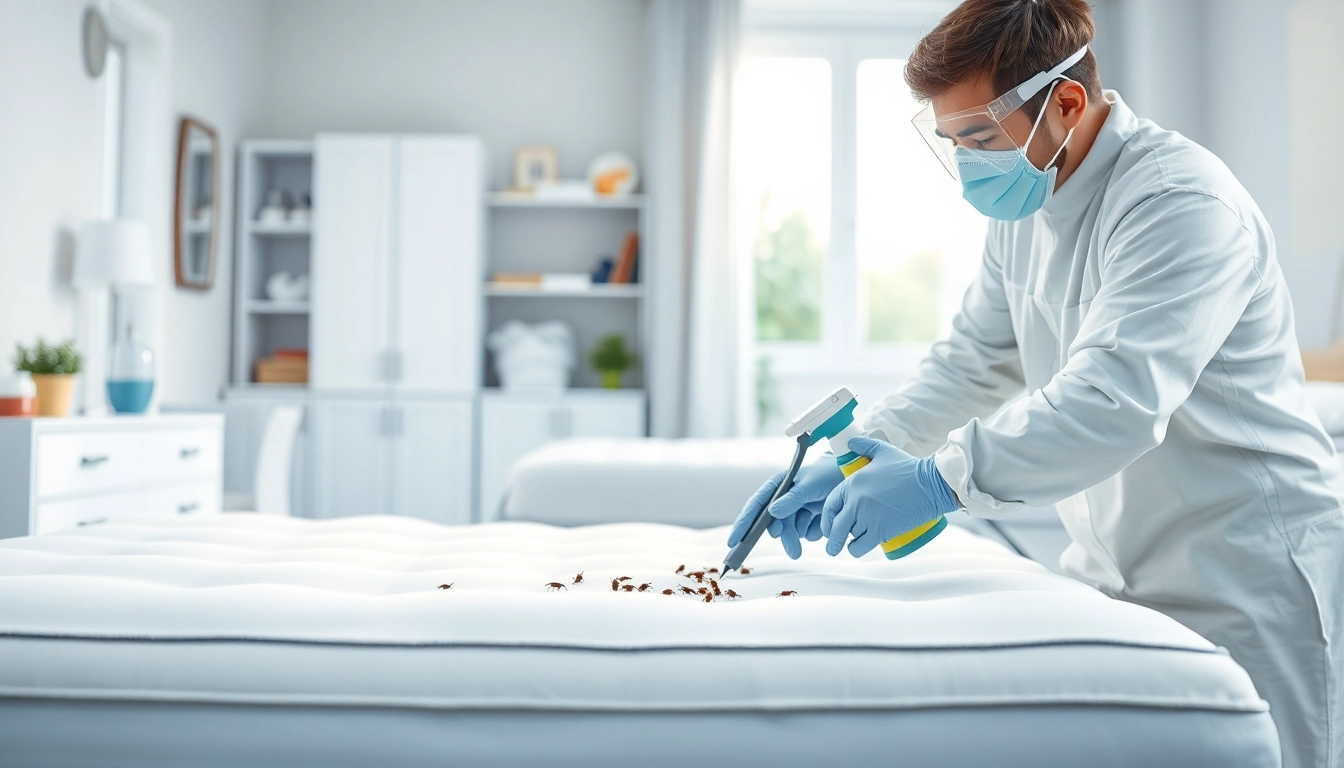
Understanding Bed Bugs and Their Threats
What Are Bed Bugs?
Bed bugs (Cimex lectularius) are small, nocturnal insects that primarily feed on the blood of humans and animals. While they are not known to transmit diseases, their bites can lead to discomfort and allergic reactions. Measuring approximately 1/4 inch in length, these reddish-brown pests are notoriously elusive, often hiding in crevices and folds of mattresses, bedding, and furniture.
Signs of Bed Bug Infestation
Identifying a bed bug infestation early is crucial to effective treatment. Common signs include:
- Rusty or reddish stains on bedding from crushed bed bugs.
- Dark spots about the size of a dot from bed bug excrement.
- Visible bed bugs in the seams of mattresses, sheets, or headboards.
- Unexplained bite marks, often in a line or cluster on exposed skin.
Why Choose Bed Bug Chemical Treatment?
For many facing a bed bug problem, opting for bed bug chemical treatment can be the most effective solution. Chemical treatments offer several advantages:
- Speed: Many chemical treatments kill bed bugs on contact or soon after application.
- Penetration: Chemicals can reach hidden bed bugs in tight spaces where other methods might fail.
- Residual Activity: Some chemicals continue to work even after application, killing reinfesting bugs.
Types of Bed Bug Chemical Treatment
Overview of Chemical Treatment Options
There are several types of chemical treatments available for bed bug infestations. These include:
- Pyrethroids: A class of synthetic chemicals modeled after pyrethrins (natural insecticides). They are widely used due to their effectiveness and low toxicity to humans.
- Insect Growth Regulators (IGRs): These disrupt the life cycle of bed bugs, preventing them from maturing and reproducing.
- Biochemicals: For example, cold-pressed neem oil, which is registered for bed bug control, acts as a repellent and disrupts the growth of insects.
Active Ingredients in Bed Bug Treatments
Understanding the active ingredients in bed bug chemical treatments can inform selection and application:
- Chlorfenapyr: A pro-insecticide that, once activated, disrupts vital functions in bed bugs.
- Prallethrin: A fast-acting pyrethroid effective in killing bed bugs quickly upon contact.
- Diatomaceous Earth: Although not a traditional chemical, this non-toxic natural product can dehydrate and kill bed bugs by physically damaging their exoskeleton.
Comparison with Other Treatment Methods
Bed bug chemical treatments stand out when compared with non-chemical methods like heat treatment or steam cleaning. While heat treatment can be effective, it requires precise temperature control and may not penetrate all hiding spots. In contrast, chemical treatments can offer broader access to bed bugs in various locations and provide residual protection against reinfestation.
Preparing for Bed Bug Chemical Treatment
Essential Preparations Before Treatment
Preparation is vital for successful bed bug treatments. Follow these steps:
- Declutter: Remove items from affected areas that could interfere with treatment, ensuring access to infested spaces.
- Wash Bedding: Launder all bedding, linens, and clothing in hot water to eliminate any bed bugs and eggs.
- Vacuum Thoroughly: Vacuum all infested areas, including carpets, beds, and furniture to reduce the number of pests and prepare surfaces for treatment.
Items to Remove or Secure
Before treatment, remove or secure the following items:
- Food items to prevent contamination.
- Toys and personal items from the treatment area.
- Pets, as they may be sensitive to the chemicals used in treatments.
Safety Precautions for Occupants
Safety is paramount during treatment:
- Avoid the treated area until all chemicals have dried and proper ventilation has been established.
- Cover or relocate items that shouldn’t be exposed to pesticides.
- Ensure children and pets are in a safe environment away from chemicals.
Executing the Bed Bug Chemical Treatment
Steps for Effective Application
For effective application of bed bug chemical treatments:
- Follow the label instructions precisely to determine the correct dosage and application technique.
- Apply chemicals specifically to identified areas of infestation, as well as potentially harboring locations.
- Utilize specialized equipment (like sprayers or foggers) as recommended for even distribution.
How to Ensure Maximum Effectiveness
To maximize treatment effectiveness, consider the following tips:
- Ensure thorough coverage of all affected areas, getting into cracks and crevices.
- Communicate with your professional pest control provider about the extent of your infestation and any previous treatment history.
- Limit re-entry to treated areas until they are deemed safe, as per the manufacturer’s guidelines.
Post-Treatment Follow-Up Procedures
After chemical treatment, engage in these follow-up procedures to ensure success:
- Continue monitoring the environment for signs of bed bugs, such as bites or visual sightings.
- Perform regular vacuuming and cleaning to remove any potential remnants.
- Consider scheduling a follow-up treatment if signs persist.
FAQs about Bed Bug Chemical Treatment
How Long Does Treatment Take?
The duration of bed bug chemical treatment varies but typically requires several hours for application and drying time, followed by additional visits for thorough control.
Can I Stay in My Home During Treatment?
It is generally recommended to vacate the treated area during and shortly after the treatment until the area is safe for return, especially to allow for ventilation and drying.
What Should I Do After Treatment?
After treatment, allow the chemicals to dry, ventilate the area well, wash your hands, and monitor for any signs of bed bugs to determine treatment effectiveness.
Are the Chemicals Used Safe for Children and Pets?
While many bed bug chemicals are designed with safety in mind, it is important to follow all guidelines. Keep children and pets away during application and until treated areas are fully dry.
What is the Success Rate of Chemical Treatments?
The success rate of bed bug chemical treatments can be high, often exceeding 90% when performed correctly, particularly in conjunction with thorough preparation and follow-up actions.