
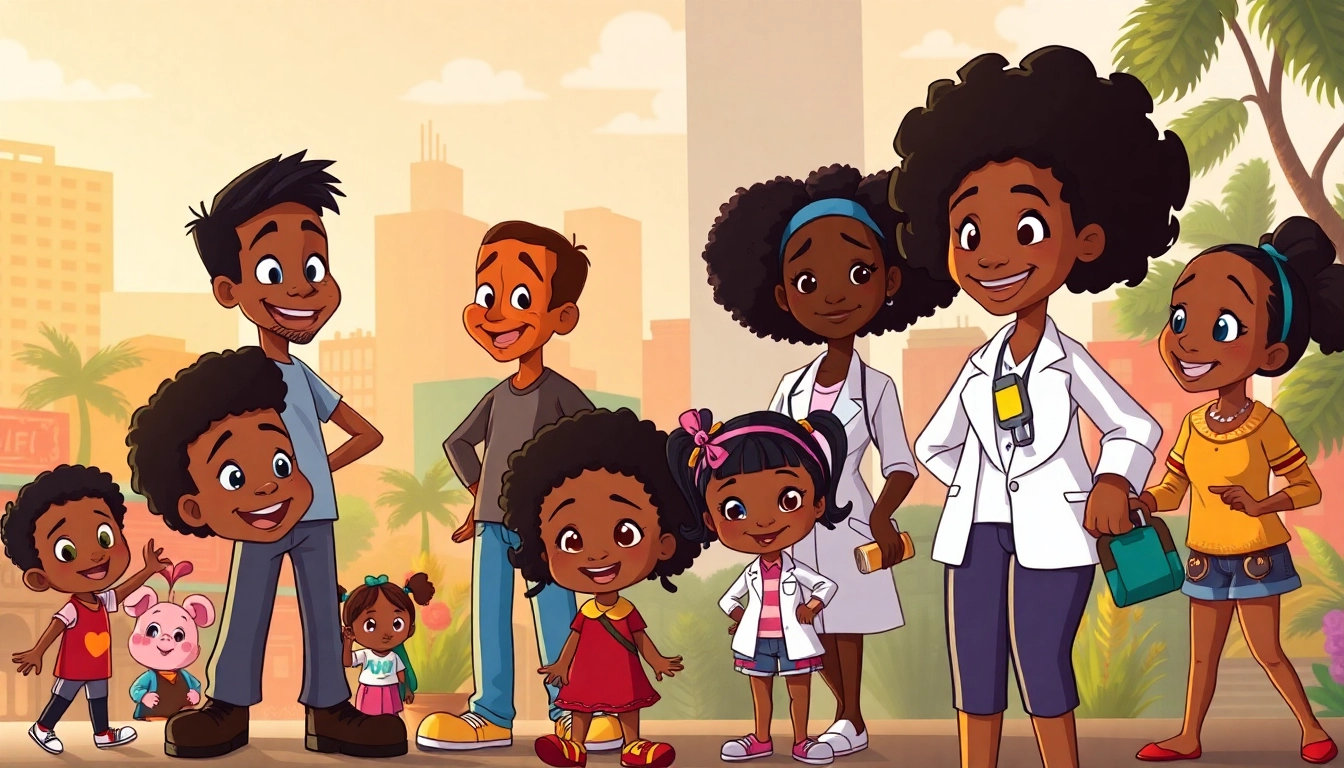
Understanding the Richness of African American Cartoons
The world of animation has always been a vibrant stage where cultural narratives unfold, especially within African American cartoons, which have made significant contributions to the medium. Throughout history, these cartoons have not only entertained audiences but also offered profound reflections on societal themes, heritage, and identity. From the early days of animation to today's trending releases, the evolution of African American cartoons highlights a dynamic interplay of culture, creativity, and representation. For those seeking a comprehensive exploration of this captivating genre, African American Cartoons provide a plethora of choices that resonate with viewers of all ages.
The Cultural Impact of African American Animation
African American animation goes beyond mere entertainment; it serves as a cultural touchstone that mirrors the experiences of the African American community. From the satirical brilliance of shows like "The Boondocks" to the heartwarming narratives in "The Proud Family," these creations often address complex themes such as race, identity, and social justice. Through humor, storytelling, and relatable characters, these animations have fostered a deeper understanding of the African American experience and have resonated with audiences far beyond their primary demographic.
Historical Milestones in Animation Featuring Black Characters
Tracing the journey of African American cartoons leads us to several historical milestones that have paved the way for representation in animation. Beginning with famous creations like "Fat Albert and the Cosby Kids," which debuted in the 1970s, these shows highlighted the lives and struggles of African American youth. The introduction of characters like Huey and Riley Freeman from "The Boondocks" further cemented the significance of using the animated medium to challenge stereotypes and provoke thought. The evolution of these characters reflects not only changing societal attitudes but also the growing recognition of the importance of diversity in media.
Key Themes Represented in African American Cartoons
Several recurring themes emerge in African American cartoons that are instrumental in conveying critical messages. Among these are:
- Family and Community: Many series emphasize the value of family connections and community support, showcasing the rich tapestry of African American familial bonds.
- Identity and Self-Discovery: Characters often embark on journeys of self-discovery, navigating the complexities of their cultural heritage and personal identities.
- Social Issues: Topics such as racism, inequality, and socio-economic challenges are frequently addressed, providing a platform for dialogue and education.
Top African American Cartoons to Watch in 2026
Benign Classics: Timeless Series for the Whole Family
As we look forward to 2026, several classic African American cartoons continue to hold a special place in the hearts of audiences. Shows like "The Proud Family," with its rich themes of identity and culture, and "Static Shock," which tackles real-world issues through superhero narratives, offer timeless entertainment that remains relevant across generations. These series showcase not only the humor and creativity of African American storytelling but also the importance of representation in media.
Innovative New Releases Shaping the Industry
In addition to beloved classics, new offerings in African American animation are shaping the landscape. Titles like "Motown Magic" and "Craig of the Creek" introduce fresh narratives that embrace modern themes while remaining rooted in cultural heritage. These newer shows highlight diverse voices within animated storytelling, offering innovative formats and perspectives that appeal to younger audiences. Furthermore, platforms dedicated to diverse content, like those featured on various streaming services, are amplifying these new releases, allowing for broader access and visibility.
Popular Characters that Inspire and Educate
Character-driven narratives are a hallmark of African American cartoons. Characters such as Doc McStuffins and Bino and Fino have become icons for their positive portrayal of young black protagonists. These characters not only inspire young viewers but also serve as educational tools that promote understanding and acceptance of diverse backgrounds. By featuring relatable storylines that encourage inquiry and learning, these shows play a vital role in shaping the perspectives of the next generation.
Celebrating Iconic Black Cartoon Characters
Character Development in African American Animation
The evolution of character development in African American cartoons illustrates the progress made in representing black experiences. Initially, many characters were hyper-stylized or based on stereotypes; however, contemporary animation has embraced more nuanced depictions. Characters like Riley and Huey Freeman in "The Boondocks" showcase complex personalities and analytical perspectives, challenging viewers to engage with deeper societal issues. This shift in character representation has enriched the narrative landscape, resulting in more engaging and relatable stories.
How Representation Shapes Young Viewers
Representation in animation plays a crucial role in shaping young viewers' understanding of diversity and self-acceptance. When children see characters who look like them and share their experiences, it fosters a sense of belonging and validation. Shows like "Doc McStuffins" not only highlight the importance of professional aspirations but also encourage young girls of color to envision themselves in various roles. As a result, these cartoons become instrumental in promoting equality and encouraging thoughtful discourse among viewers of all ages.
Iconic Voice Actors and Their Contributions
The voices behind these beloved characters also represent a significant aspect of African American animation. Notable voice actors, such as Phil LaMarr and Cree Summer, have brought life to iconic characters, enhancing their relatability and depth. Their contributions demonstrate the importance of casting diversity in animation and the impact of voice performances on the overall storytelling experience. As representation in voice acting continues to evolve, it opens doors for aspiring artists and reinforces the value of diverse talent in the industry.
Challenges and Opportunities in African American Animation
Addressing Stereotypes: Past and Present
Despite the progress made in the portrayal of African American characters, challenges remain. Historically, animated content often perpetuated stereotypes that harm perceptions of black culture. Contemporary creators have a responsibility to confront these stereotypes head-on, crafting narratives that reflect nuanced realities rather than reductive tropes. This ongoing challenge also presents an opportunity for growth, as more creators emerge from diverse backgrounds, shaping the future of animation with authentic stories.
Emerging Creators and Their Impact on the Industry
The rise of emerging creators within the African American animation community is a beacon of hope for the industry. With platforms like YouTube and independent production companies, talented animators and storytellers have access to tools that allow them to share their unique perspectives. Series like "Tuca & Bertie," developed by Lisa Hanawalt and featuring an array of diverse voices, exemplify this shift towards inclusivity. These creators are not only reimagining traditional narratives but also ensuring that the stories told resonate with authenticity and creativity.
Future Trends in African American Animation
As we look to the future of African American animation, several trends are emerging. The focus on digital platforms has expanded the reach of diverse content, providing opportunities for independent creators to showcase their work. Furthermore, collaborations between established studios and fresh talent have the potential to produce groundbreaking content that challenges conventions. As society continues to evolve, so too will the themes explored in African American cartoons, paving the way for more inclusive and imaginative stories.
How to Support and Enjoy African American Cartoons
Finding Platforms for Streaming Diverse Content
Support for African American animation can manifest in various ways, primarily through viewing and sharing diverse content. Several streaming platforms now prioritize original programming that features African American creators and characters. By subscribing to these services, viewers can access a plethora of shows that represent varied perspectives and engage with the cultural narratives that matter. Furthermore, attending screenings and events can amplify awareness and appreciation for these works within local communities.
Engaging with the Community: Events and Conventions
Community engagement is vital in promoting African American animation. Attending conventions and festivals that celebrate black creators provides not only exposure but also fosters connections with like-minded individuals and influencers within the industry. These events often feature panels, discussions, and screenings of prominent works, which can inspire and educate attendees about the importance of representation in animation.
Educational Resources to Learn More About Representation
For those interested in delving deeper into the history and impact of African American cartoons, numerous educational resources are available. Books, documentaries, and online courses provide insightful perspectives on representation in media, and various organizations advocate for diversity in animation, offering workshops and mentorship programs. Engaging with these resources fosters a greater understanding of the complexities involved in the portrayal of African American experiences through animation.