
Essential Techniques and Insights for Effective Use of Choking Rescue Devices
Understanding Choking and Its Risks
Choking represents a significant and often life-threatening emergency that can occur in any setting — from bustling restaurants to quiet family dinners. It’s crucial to arm ourselves with knowledge and tools to combat this urgency effectively. Among these tools are choking rescue devices, which can play a pivotal role in saving lives when swift intervention is necessary.
What Causes Choking?
Choking occurs when an object, typically food or a small item, obstructs the airway. This obstruction can happen regardless of age or situation. High-risk foods include pieces of meat, candy, or nut products, while small objects can include coins, buttons, or toys. The risk heightens in certain populations, such as young children who are still developing their chewing skills or the elderly, who may have conditions affecting swallowing.
Statistics on Choking Incidents
The National Safety Council illustrates alarming statistics surrounding choking incidents in the United States. In 2020, choking claimed the lives of over 5,000 individuals. Among these figures, children aged 1-3 were identified as particularly vulnerable, frequently succumbing to food-related choking hazards. Additionally, adults over 65 face high risks, often due to conditions like dementia or swallowing dysfunctions that can complicate safe eating practices.
Importance of Quick Response to Choking
Time is of the essence during a choking episode. The obstruction can lead to airway blockage, resulting in oxygen deprivation and, ultimately, loss of consciousness within minutes. If unaddressed, choking can lead to death in as little as 4 to 6 minutes. Hence, understanding the need for immediate response and effective intervention strategies is crucial. Recognized methodologies, including the Heimlich maneuver and the use of choking rescue devices, can significantly alter outcomes during such emergencies.
Introduction to Choking Rescue Devices
Choking rescue devices are designed to aid individuals facing choking crises, especially when bystanders lack sufficient knowledge or training to handle the situation directly. These devices can provide immediate assistance and improve the chances of recovery until professional medical help arrives.
What Are Choking Rescue Devices?
Choking rescue devices are specialized tools engineered to dislodge obstructions within the airway safely and effectively. They function by creating positive pressure within the chest cavity, thereby expelling the object causing the blockage. These inventions are user-friendly, often designed to be operational with minimal training, allowing anyone nearby to intervene quickly.
Types of Choking Rescue Devices Available
There are various types of choking rescue devices, each suited for different environments and user needs:
- Manual Suction Devices: These are handheld tools that create suction to draw the lodged object out by generating a vacuum effect, often favored in clinical settings.
- Autonomous Devices: Automated choking rescue devices function consistently and are designed to operate without manual input. These can be seen in public places where immediate access to emergency tools is critical.
- Bariatric Devices: Specialized for individuals with larger body types, these devices accommodate more substantial obstructions, allowing interventions for diverse body sizes.
How They Work: A Safety Mechanism
Most choking rescue devices work on the principle of pressure application. When applied correctly, they swiftly apply pressure either internally or externally to the thoracic region, helping to expel the obstruction. The key to their effectiveness lies in proper seal and technique, ensuring maximum pressure is applied where necessary without causing further harm.
Best Practices for Using Choking Rescue Devices
For choking rescue devices to be efficient, adherence to best practices is essential. Training and preparation can make all the difference when seconds count.
Preparation and Training for First Responders
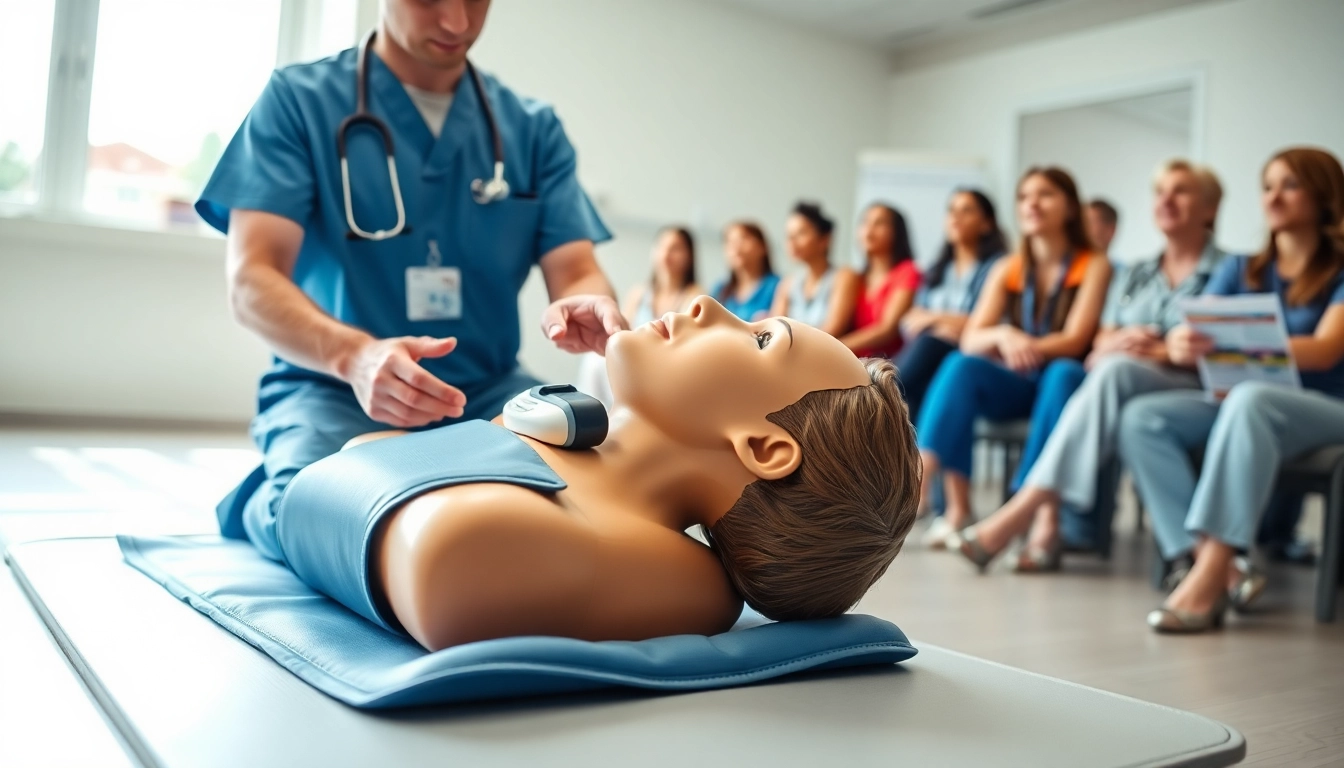
Training involves equipping first responders with the knowledge and skills needed to deploy choking rescue devices effectively. Facilities should conduct regular training sessions, including:
- Hands-on demonstrations with various choking devices.
- Simulated choking scenarios to practice response time and techniques.
- Educational materials that outline step-by-step directions for each device’s use.
Key Steps in Device Deployment
When deploying a choking rescue device, key steps involve ensuring the scene is safe, assessing the patient’s level of consciousness, and following the manufacturer’s instructions. The user must create a proper seal around the device to ensure that sufficient pressure is generated to clear the obstruction effectively. Remember to remain calm and assertive; the effectiveness of deployment often relies on the user’s confidence and clarity in action.
Common Mistakes to Avoid
Several pitfalls can reduce the efficacy of choking rescue devices:
- Failing to ensure proper seal can lead to ineffective suction or pressure.
- Using wrong positioning of the casualty may result in the obstruction moving further down the airway.
- Inadequate training can lead to hesitancy or incorrect application of the device, worsening the situation.
- Ignoring the need to seek emergency assistance after using the device, as further medical evaluation may be necessary.
Real-Life Applications and Case Studies
Hearing about real-life applications and success stories enhances understanding and illustrates the effectiveness of choking rescue devices during actual emergencies.
Successful Choking Rescues with Devices
Case studies have documented numerous successful rescues using choking devices in various settings, such as restaurants, daycare centers, and senior living facilities. One notable case occurred at a community center where a toddler began choking on a toy. Staff trained in the use of a manual suction device acted swiftly. Their preparedness ensured the child was safe within moments, leading to a celebratory community event highlighting the importance of training and device access.
Feedback from Users and Emergency Responders
Feedback from emergency responders emphasizes the value of training and accessibility to intervention devices. Many responders advocate for regular training courses and emergency drills to reinforce skills. Many users express peace of mind when devices are available, enhancing their confidence during potentially disastrous scenarios.
Improving Effectiveness Through Training
Continuous education and refinement of techniques are crucial for improving the overall effectiveness of choking rescue devices. Organizations incorporating simulation exercises, educational workshops, and routine drills consistently report higher retention of skills, increasing successful intervention rates.
Choosing the Right Choking Rescue Device for Your Needs
Selecting the appropriate choking rescue device can be overwhelming given the variety available. However, several guiding points can streamline the decision-making process.
Factors to Consider When Selecting a Device
When evaluating choking rescue devices, consider the following factors:
- Target Population: Understand the demographics that will use the device (children, adults, seniors) and choose accordingly.
- Ease of Use: Select devices that users can operate with minimal training, ensuring effectiveness during emergencies.
- Portability: If the device is likely to be needed in various locations, consider the weight, size, and portability.
- Maintenance Requirements: Ensure easy maintenance and upkeep to keep the device in optimal working order.
Cost vs. Value Analysis
While costs vary significantly across different types of choking rescue devices, assessing value is crucial. Opt for devices that not only fit your budget but also offer features that enhance safety and usability. Investing in a higher-quality device often equates to a more reliable performance in dire situations.
Where to Purchase Quality Choking Rescue Devices
Quality choking rescue devices can be sourced from healthcare suppliers, medical equipment distributors, and specialty retailers. Always opt for reputable brands or manufacturers with clear safety certifications to ensure the utmost quality and reliability for life-saving tools.