
Understanding the Impact of the spain train crash: Causes and Consequences
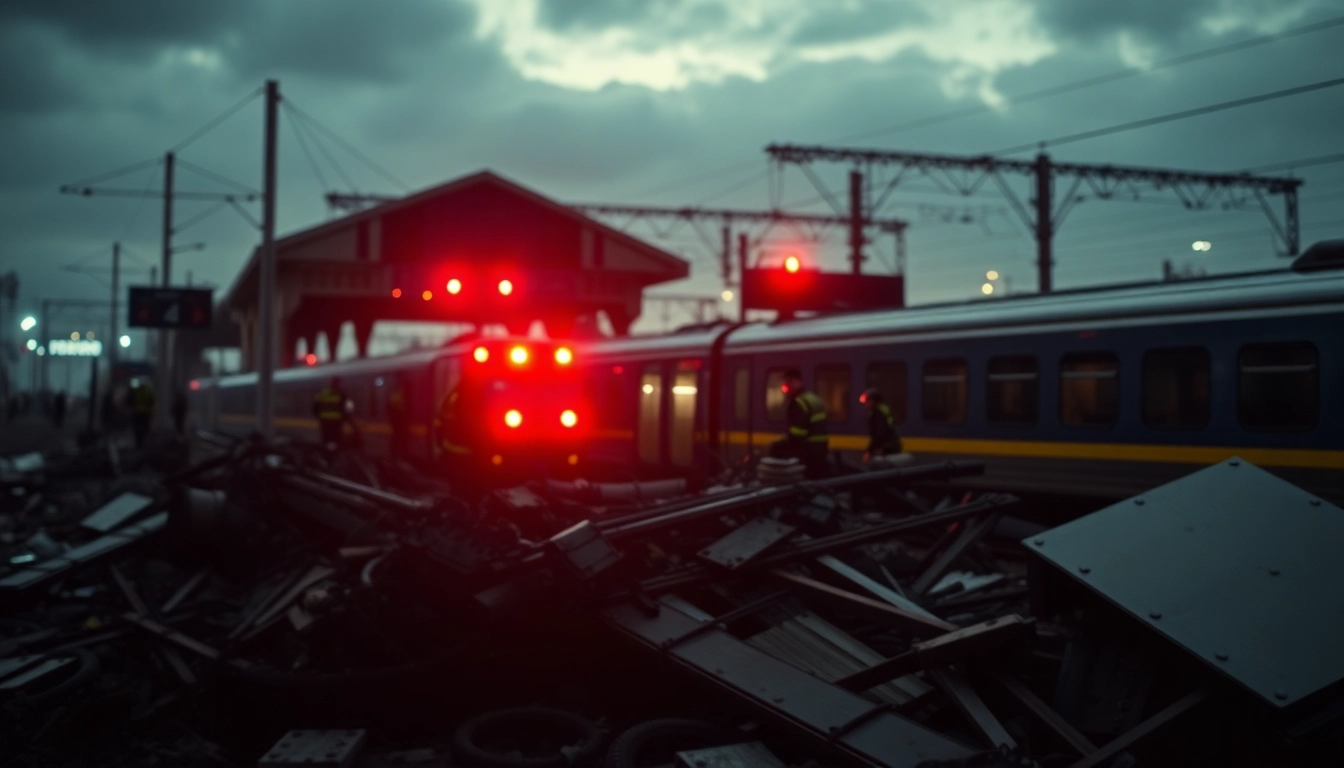
Overview of the spain train crash
The spain train crash has garnered significant attention due to its tragic implications for rail safety. This incident not only shook public confidence in rail transportation but also raised critical questions concerning infrastructure, safety protocols, and emergency responses in rail systems worldwide. To contextualize the events surrounding this crash, it’s essential to delve deeper into the landscape of train safety earlier in history and examine other major incidents that have shaped our current understanding and regulation of train travel.
Brief Historical Context
Train travel has a storied history, interwoven with both remarkable advancements and tragic events. Since the advent of railways in the early 19th century, trains have become a predominant means of transportation for passengers and goods alike. However, with this convenience came challenges, including mechanical failures and accidents. In Spain, significant crashes occurred over the decades, with incidents like the 2004 Madrid train bombings underscoring vulnerabilities in rail systems, both from human error and design flaws. A brief look back can help illuminate the factors leading up to the recent spain train crash.
Key Statistics on Train Safety
Globally, train travel remains one of the safer modes of transportation. According to various reports, train systems have lower fatality rates compared to road transport. In Europe, fatalities related to train accidents account for a small fraction of total transport-related deaths. Specifically, recent statistics indicate that while hundreds of millions of rail passengers travel safely each year, a notable number of incidents still occur, emphasizing the need for stringent safety measures. Understanding these statistics helps frame the severity of incidents like the spain train crash.
Major Incidents in Recent History
Recent history has seen several notable train accidents that have shaped safety regulations and public perceptions of rail travel. Each incident serves as a catalyst for changes in policy and technology. For instance, the Lac-Mégantic rail disaster in Canada in 2013 and the 2015 derailment of a train in Spain both prompted international reviews of practices surrounding rail safety. Each of these cases highlights the multifaceted nature of railway operations and the systemic issues that can arise, paving the way for reforms that hopefully prevent tragedies like the spain train crash.
Causes of the spain train crash
The investigation into the factors preceding the spain train crash delves deep into the realms of mechanical reliability, human oversight, and environmental challenges. Each of these elements played a role in the unfolding of events, pointing to a complex interplay of causes that are often present in rail accidents.
Mechanical Failures and Human Error
Mechanical issues frequently contribute to the severity of train crashes. Trains rely heavily on intricate systems, from brakes to signaling technology, all of which must work in perfect harmony to ensure safety. In the case of the spain train crash, it has been suggested that mechanical failure of some components may have been exacerbated by human errors in judgment during critical situations. Effective maintenance and rigorous training protocols are essential to mitigate such risks in future situations.
Environmental Factors
Nature itself can often become a formidable adversary in rail transport. Weather conditions such as heavy rains, strong winds, and extreme temperatures can compromise track integrity and operational safety. In the spain train crash, environmental factors may have influenced the accident, warranting deeper investigations into weather-related safety measures. Resilience against such challenges requires not only adaptable infrastructure but also continuous monitoring and advanced predictive models.
Infrastructure Issues
The state of railway infrastructure plays a crucial role in ensuring safe train travel. Deteriorating tracks, outdated technology, and insufficient investment can lead to catastrophic outcomes. The spain train crash has highlighted the dire need for investment in rail infrastructure, especially in aging systems that may not meet modern safety standards. Regular assessments of structural integrity and proactive upgrades are vital for improving overall safety in rail transport.
Immediate Effects of the spain train crash
The impact of the spain train crash reverberated through the population, leaving a lasting impression on individuals, the economy, and the public’s trust in rail services. Understanding these immediate effects provides insight into the human cost and systemic challenges associated with rail accidents.
Casualties and Injuries
One of the most tragic outcomes of any train crash is the human toll it takes. Casualties resulting from the spain train crash include not only fatalities but also severe injuries, leading to long-term physical and psychological repercussions for survivors. These statistics are often compiled to inform the public but also to drive home the grave consequences of lapses in safety. The emotional devastation can create ripples that affect families, communities, and even entire societies.
Economic Impact on Rail Services
Accidents do not merely cause loss of life—they also have serious economic ramifications. The aftermath of the spain train crash necessitated significant losses attributed to damages, legal ramifications, and heightened insurance costs. Rail operators often face declining patronage post-incident, leading to further financial strain. The challenges can be even greater when rebuilding infrastructure post-incident requires substantial public investment and coordination.
Public Response and Sentiment
The public response to the spain train crash encapsulated a mixture of grief, anger, and distrust. Communities rallied to support those affected, yet broader concerns surrounding safety resurfaced, prompting citizen advocacy for improvements and calls for accountability. Affected populations often demand transparency from authorities, pushing for thorough investigations and assurances that similar incidents will be prevented. These public sentiments can shape the future of rail policy and are critical for rebuilding trust.
Long-term Consequences of the spain train crash
In the wake of the spain train crash, the long-term ramifications extend far beyond the immediate impacts. Changes in policies, trust in rail services, and enhancements in safety measures create a landscape influenced by trauma yet guided by the pursuit of improvement.
Changes in Policy and Regulations
Every major rail accident historically prompts a re-evaluation of regulations and policies governing rail safety. The spain train crash led to calls for enhanced regulations and improved compliance checks in operations. Authorities emphasize stricter adherence to safety protocols and the implementation of advanced technologies designed to maximize passenger safety. This includes automatic braking systems and increased investment in infrastructure to align with emerging standards.
Rebuilding Trust in Rail Services
Sustaining public confidence in rail services is essential for recovery following a disaster. The spain train crash highlighted vulnerabilities that challenged trust levels. Rail providers must take proactive steps to communicate improvements, submit transparent reports, and actively engage with the public to foster a safe and communicative environment. Establishing clear channels for feedback can enhance relationships and ultimately guide the evolution of rail safety culture.
Benefits of Safety Enhancements
In response to past accidents, the investment into safety improvements yields significant long-term benefits for rail systems. By adopting cutting-edge technologies and rigorous training protocols, rail services become safer, reducing the likelihood of crashes and fatalities in the future. The legacy of the spain train crash serves as a reminder of the importance of continual improvement, where each enhancement not only uplifts the standards but also prioritizes passenger well-being as a fundamental aspect of train travel experience.
Questions and Answers about the spain train crash
What should I know about the spain train crash?
The spain train crash involved significant casualties and highlighted vulnerabilities in rail safety, prompting calls for regulatory reforms.
How do train crashes impact safety regulations?
Train crashes often lead to reevaluation and tightening of safety regulations to prevent future incidents.
What can be done to prevent future train crashes?
Improving technology, infrastructure, and human training are critical steps in reducing the likelihood of train accidents.
What are common causes of train accidents?
Common causes include mechanical failures, human error, environmental conditions, and infrastructure inadequacies.
How have past incidents changed rail service operations?
Past incidents have led to stricter regulations, enhanced technology, and improved training protocols in rail service operations.