Stylish lvp flooring: Elevating Your Home’s Aesthetic and Functionality
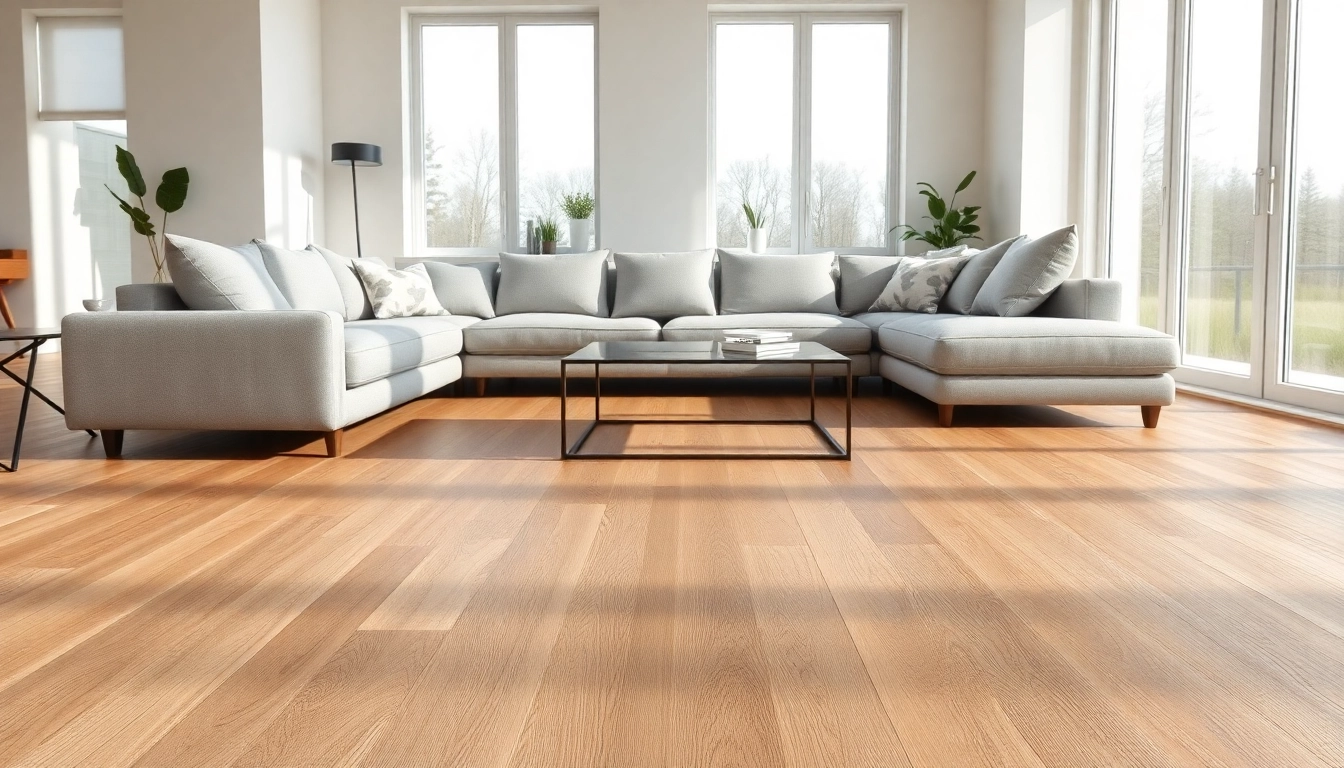
Understanding lvp flooring: Styles and Benefits
What is lvp flooring?
Luxury Vinyl Plank (LVP) flooring is a synthetic flooring option designed to replicate the appearance of natural wood or stone. Using advanced manufacturing processes, LVP combines different layers to create a durable, stylish product ideal for various residential and commercial settings. lvp flooring is often favored for its ease of installation, versatility, and affordability compared to traditional materials. It consists of a waterproof core, a printed design layer, and a wear layer that protects against scratches, stains, and fading.
Key benefits of using lvp flooring
LVP flooring offers numerous advantages, making it an attractive choice for homeowners and businesses. One of its primary benefits is its durability; the wear layer provides excellent resistance to spills and foot traffic, making it suitable for high-traffic areas. Additionally, LVP is available in various styles, allowing for customization in any décor.
- Water Resistance: Many LVP products are waterproof or water-resistant, an essential feature for areas prone to moisture, such as bathrooms and kitchens.
- Comfort and Warmth: Unlike traditional tile or stone flooring, LVP feels warmer and more comfortable underfoot, enhancing the overall living experience.
- Low Maintenance: Regular sweeping and occasional mopping are typically all that’s required to keep LVP flooring looking new, saving time and effort for homeowners.
- Affordability: When compared to hardwood floors, LVP flooring offers a more budget-friendly alternative without sacrificing aesthetics or durability.
Popular styles of lvp flooring
LVP flooring is available in various styles, textures, and finishes, allowing homeowners to achieve their desired aesthetic. Popular styles include:
- Natural Wood Looks: LVP can mimic popular wood species such as oak, hickory, and maple, featuring realistic grain patterns and colors.
- Stone and Tile Replicas: For those who prefer the look of stone, LVP offers designs that mimic slate, travertine, and other natural stone materials.
- Designer Textures: Some LVP options incorporate unique textures and finishes, including distressed, hand-scraped, or embossed styles, adding depth and character to the floor.
Choosing the Right lvp flooring for Your Space
Factors to consider when selecting lvp flooring
Selecting the appropriate LVP flooring for your space involves considering various factors to ensure the best fit for both your lifestyle and your design preferences.
- Room Usage: Evaluate the intended use of the space. High-traffic areas may require more durable options, while rooms with less activity might allow for more delicate designs.
- Moisture Levels: For areas susceptible to spills or humidity, prioritize waterproof or water-resistant options to prevent damage and mold growth.
- Style and Décor: Consider your existing design elements. Choose a style that complements your interior aesthetics, whether a contemporary, rustic, or traditional look.
Matching lvp flooring with your interior design
Interior design themes can significantly influence your choice of LVP flooring. For a cohesive look, match the flooring style to the overall ambiance of your home:
- Modern: Opt for sleek, light-colored planks with minimal texture for a clean, contemporary vibe.
- Rustic: Choose distressed or reclaimed wood looks to evoke warmth and charm, particularly in country or farmhouse settings.
- Industrial: Consider gray-toned or darker stony appearances to reflect the raw aesthetic of industrial design.
Common mistakes to avoid when buying lvp flooring
Avoiding common pitfalls can enhance your flooring selection experience:
- Overlooking Samples: Always get samples to see how the flooring looks in your space’s lighting and with your decor.
- Ignoring Warranty: Understand the warranty details of your chosen LVP product, as coverage can vary significantly.
- Incorrectly measuring: Accurately measure your floors to prevent purchasing inadequate materials, saving time and money.
Installation Process for lvp flooring
Preparation steps before installation
The installation process of LVP flooring can be straightforward if proper preparation is undertaken. Follow these steps for an efficient installation:
- Clear the Area: Remove all furniture, existing flooring, and any obstructions from the installation zone.
- Check Subfloor Condition: Ensure that the subfloor is clean, dry, and smooth. For better performance, repairs or leveling may be necessary.
- Acclimatize the Planks: Before installation, allow the planks to acclimate in the room where they will be installed for at least 48 hours to adapt to room temperature and humidity.
DIY vs. professional installation of lvp flooring
Deciding between DIY installation and hiring professionals depends on various factors including skill level, time availability, and budget:
- DIY Installation: If you are handy and have experience, LVP flooring can often be an easy DIY project, especially with click-lock options.
- Professional Installation: Hiring professionals ensures a quality finish, especially for complex layouts or when installing over radiant heating.
Post-installation care and maintenance
Maintaining LVP flooring post-installation is crucial to preserving its beauty and longevity. Effective care strategies include:
- Regular Cleaning: Sweep or vacuum regularly and mop with a damp mop and a cleaner specifically formulated for LVP.
- Preventative Measures: Use furniture pads and area rugs in high-traffic zones to protect the flooring from scratches.
- Address Spills Promptly: Wipe up spills immediately to prevent staining or water damage.
Cost Considerations for lvp flooring
Budgeting for lvp flooring
When planning your flooring project, budgeting is crucial. Consider the full scope of costs involved:
- Material Costs: On average, LVP flooring costs can range from $2 to $7 per square foot, depending on the quality and style chosen.
- Additional Expenses: Factor in underlayment and installation costs, which can escalate the total project expenditure.
- Maintenance Costs: Allocate funds for ongoing maintenance and care, ensuring your floors remain in optimal condition.
Understanding cost factors affecting lvp flooring
Several factors influence the cost of LVP flooring. These include:
- Quality of Materials: Higher-quality materials generally come at a premium but offer more durability and style.
- Design Complexity: Unique or intricate designs may require specialized installation techniques, affecting overall costs.
- Location and Market: Regional pricing differences can also affect costs, particularly in metropolitan areas.
Comparing lvp flooring costs with alternatives
When evaluating your options, consider how LVP flooring compares with other flooring choices:
- Hardwood: While hardwood flooring can provide natural beauty, it usually carries a higher cost and requires more maintenance.
- Ceramic Tile: Tile may offer durability but lacks the warmth and comfort of LVP, not to mention the labor-intensive installation process.
- Carpet: Although carpet is usually cheaper initially, it requires more upkeep and has a shorter lifespan compared to LVP.
FAQs about lvp flooring
How durable is lvp flooring?
LVP flooring is highly durable, designed to withstand heavy foot traffic and resist scratches and stains, making it an ideal choice for both homes and commercial spaces.
Can lvp flooring be installed over existing floors?
Yes, LVP flooring can typically be installed over existing floors, provided they are flat, clean, and in fair condition. Always check with the manufacturer for specific installation guidelines.
What type of maintenance does lvp flooring require?
LVP flooring requires minimal maintenance. Regular sweeping or vacuuming and occasional damp mopping with a suitable cleaner are usually sufficient to keep it looking good.
Is lvp flooring waterproof or water-resistant?
Many brands of LVP flooring are waterproof or highly water-resistant, making them suitable for moisture-prone areas such as bathrooms and kitchens.
How long does lvp flooring last?
LVP flooring can last anywhere from 15 to 25 years or more with proper maintenance, depending on the quality of the product and the level of foot traffic.