Mastering the Art of Makeup Application with a Dense Makeup Brush
Understanding the Dense Makeup Brush
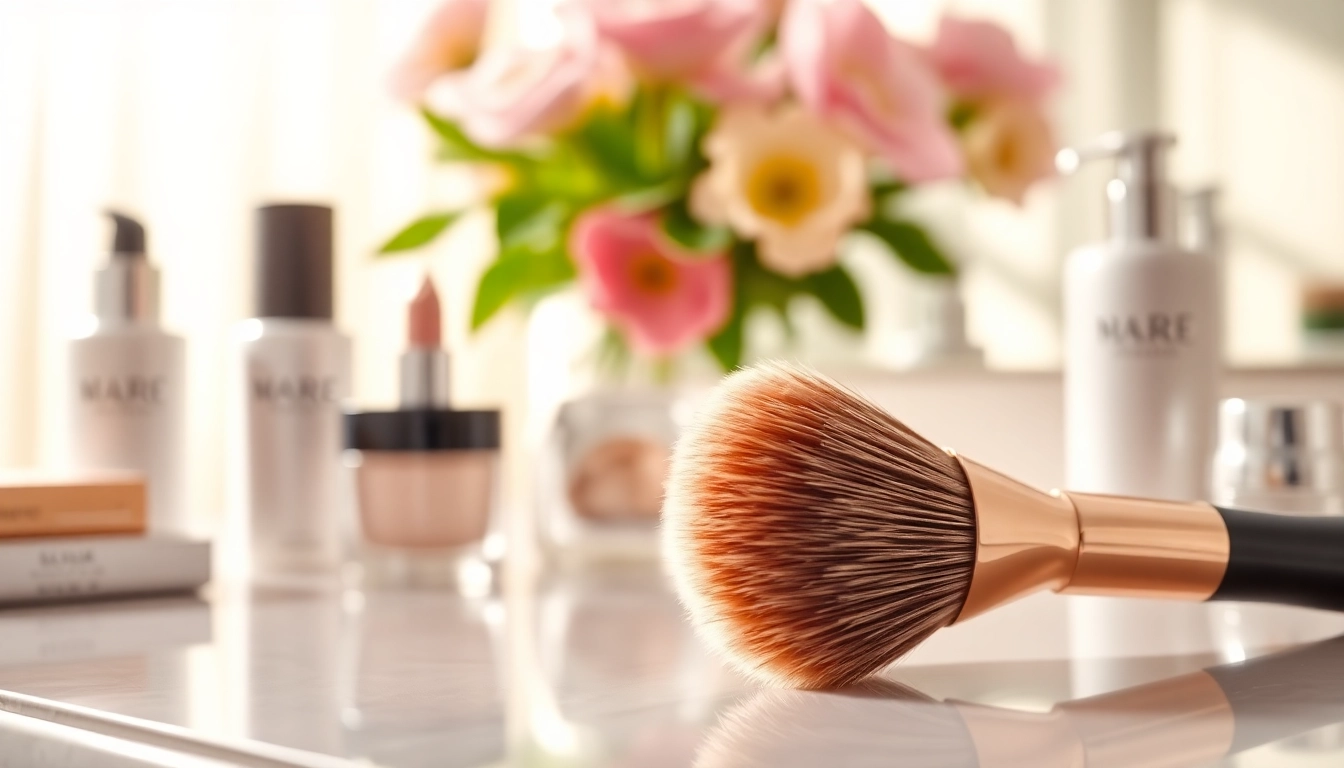
The dense makeup brush is an essential tool in the makeup artist’s kit, known for its ability to deliver full coverage and create stunning finishes. These brushes are made with tightly packed bristles, designed to hold and distribute products more effectively than their fluffier counterparts. This article will delve into the characteristics, benefits, uses, and maintenance of dense makeup brushes, offering insights that will enhance your makeup application skills.
What Makes a Dense Makeup Brush Unique?
A dense makeup brush is characterized by its compact structure and tightly packed bristles. This design allows it to pick up and hold a greater amount of product, making it particularly suitable for applications that require high coverage, such as foundation and concealer. The stiffness of the bristles can also aid in blending and buffing, giving a smooth and flawless finish. Unlike looser brushes, a dense makeup brush provides precision, allowing for detailed work, especially around the edges of the face such as the nose and eyes.
Benefits of Using a Dense Makeup Brush
Utilizing a dense makeup brush brings several advantages to your makeup routine:
- Full Coverage: Its ability to hold and apply significant amounts of product makes it ideal for achieving full coverage. This is particularly beneficial for those looking to hide blemishes or uneven skin tone.
- Blending Power: The tightly packed bristles allow for superb blending abilities, creating a seamless look that helps to eliminate harsh lines.
- Versatility: Dense brushes can be used for various products, from liquid foundations to cream contours and even powder blushes.
- Time Efficiency: They often speed up the makeup application process since they deliver intense color and coverage in fewer strokes.
Common Material Types and Their Uses
Dense makeup brushes can be made from various materials, each offering unique benefits:
- Natural Hair: Brushes made from natural hair often provide a soft-feel, ideal for blending powdered products. However, they may not be suitable for cream or liquid products as they can absorb too much product.
- Synthetic Fibers: Synthetic bristles are ideal for both cream and liquid products. They are easier to clean and generally more hygienic, making them a popular choice for professional makeup artists as well as everyday users.
- Blended Materials: Some brushes combine natural and synthetic fibers to offer a balance of softness and product application efficiency.
Choosing the Right Dense Makeup Brush
Factors to Consider When Choosing
When selecting a dense makeup brush, consider the following factors:
- Brush Shape: Choose a shape based on the area you intend to apply makeup. A flat top is great for buffing, while an angled brush may be perfect for contouring.
- Bristle Density: Ensure the bristles are not overly stiff; they should feel soft against the skin while still being dense enough to provide coverage.
- Handle Length: A longer handle enables greater control for intricate applications, while shorter handles can be useful for touch-ups.
- Brand Reputation: Opt for brands known for quality and durability, especially if you plan to invest in a high-end brush.
Brush Types for Various Makeup Applications
Different types of dense brushes serve various makeup applications:
- Foundation Brushes: These brushes are typically flat or stippling brushes designed to apply liquid or cream foundations evenly.
- Concealer Brushes: Smaller in size, these brushes allow for precise application of concealer, adeptly covering blemishes or imperfections.
- Contour Brushes: Often angled, these brushes are crafted for sculpting the face with cream or powder products.
- Blush Brushes: A dense blush brush can pack color into the skin for a vibrant look without appearing streaky.
Top Mistakes to Avoid While Selecting
When choosing a dense makeup brush, it’s best to avoid these common pitfalls:
- Ignoring Material Quality: Opting for cheaper brushes may save money initially, but investing in quality brushes pays off in longevity and performance.
- Not Testing the Brush: Always feel the bristles against your skin to ensure they’re soft yet effective. Brushes that feel scratchy or overly stiff may not apply makeup evenly.
- Overlooking Maintenance: Brushes that require less maintenance might seem appealing, but proper care ensures they last longer and perform better.
- Choosing Size Incorrectly: Selecting a brush based on your face size and shape is crucial; a brush that’s too large can lead to unsightly application of products.
Techniques for Using a Dense Makeup Brush
Basic Techniques for Beginners
If you’re new to makeup application, using a dense makeup brush may seem daunting. Here are foundational techniques to get you started:
- Stippling: Dab the brush onto your skin to apply product in small amounts, giving a natural finish. Apply in circular motions for a seamless blend.
- Buffing: Use a swirling motion to buff the product into the skin, ensuring even coverage and blending edges softly into the skin’s surface.
- Layering: For heavier coverage, apply in layers, allowing the first application to set before adding more product.
Advanced Techniques for Flawless Application
Once you’ve mastered basic techniques, you can progress to advanced methods for a more polished look:
- Control with Angling: Use the brush at different angles for more precise applications, especially around the contours of the nose and around the eyes.
- Mixing Products: Mix your foundation with a little moisturizer for a dewy finish and apply with a dense brush for better results.
- Translucent Powder Setting: After applying foundation, use a clean dense brush to apply translucent powder, ensuring set makeup without a cakey feel.
Customizing Your Technique for Different Looks
One of the best features of a dense makeup brush is its versatility. Here’s how to tailor your technique for different makeup looks:
- For a Natural Look: Focus on using less product and gentle strokes, emphasizing a light application of foundation and blush.
- For Glamorous Evening Makeup: Layer your products, applying more foundation and using a setting spray between layers for a flawless finish.
- For Special Occasions: Experiment with using a dense brush for cream highlighters right above your cheekbones to amplify luminosity.
Maintaining Your Dense Makeup Brush
Proper Cleaning Techniques
Cleaning your dense makeup brush is vital not only for hygiene but also for maintaining performance. Here are the recommended steps:
- Wet the bristles under lukewarm water, ensuring the water runs clean.
- Apply a small amount of gentle soap or brush cleaner to the bristles.
- Gently work the cleaner into the bristles with your fingers or a brush cleaning tool.
- Rinse thoroughly until the water runs clear, ensuring the bristles are free of soap residue.
- Reshape the bristles and lay the brush flat on a towel to dry, avoiding standing it upright as water can damage the glue.
How Often to Clean Your Brush
It is recommended to clean your dense makeup brush regularly to avoid product buildup and bacteria growth:
- Daily: If used with liquid or cream products, clean your brush after each use.
- Weekly: Brushes used for powder products should be cleaned at least once a week.
- Monthly: Deep clean your brushes every month to maintain their softness and efficiency.
Storage Tips to Prolong Lifespan
Proper storage of your brushes will extend their life and preserve their quality. Here are some effective storage tips:
- Keep brushes in a holder that protects the bristles from being crushed.
- Avoid storing them in damp environments to prevent mildew and warping of bristles.
- Store them upright with bristles facing up to maintain shape.
- Consider investing in a brush roll or pouch for travel to protect them while on the go.
FAQs about Dense Makeup Brushes
What is a dense makeup brush used for?
A dense makeup brush is ideal for applying heavy coverage products like foundation and concealer for a flawless finish.
Can I use a dense makeup brush for powder products?
Yes, a dense makeup brush can effectively apply powder products, creating a smooth and even look.
How do I clean my dense makeup brush?
Use mild soap and warm water; gently work the soap into the bristles, rinse thoroughly, and reshape to dry.
Are dense makeup brushes suitable for sensitive skin?
Many dense makeup brushes are made with soft, synthetic bristles that are perfect for sensitive skin, reducing irritation.
How do I know if my dense makeup brush is high quality?
Look for well-constructed bristles, a sturdy handle, and the ability to maintain shape after cleaning as signs of quality.