Mastering Event Videography: Techniques for Capturing Unforgettable Moments
Understanding Event Videography
Defining Event Videography
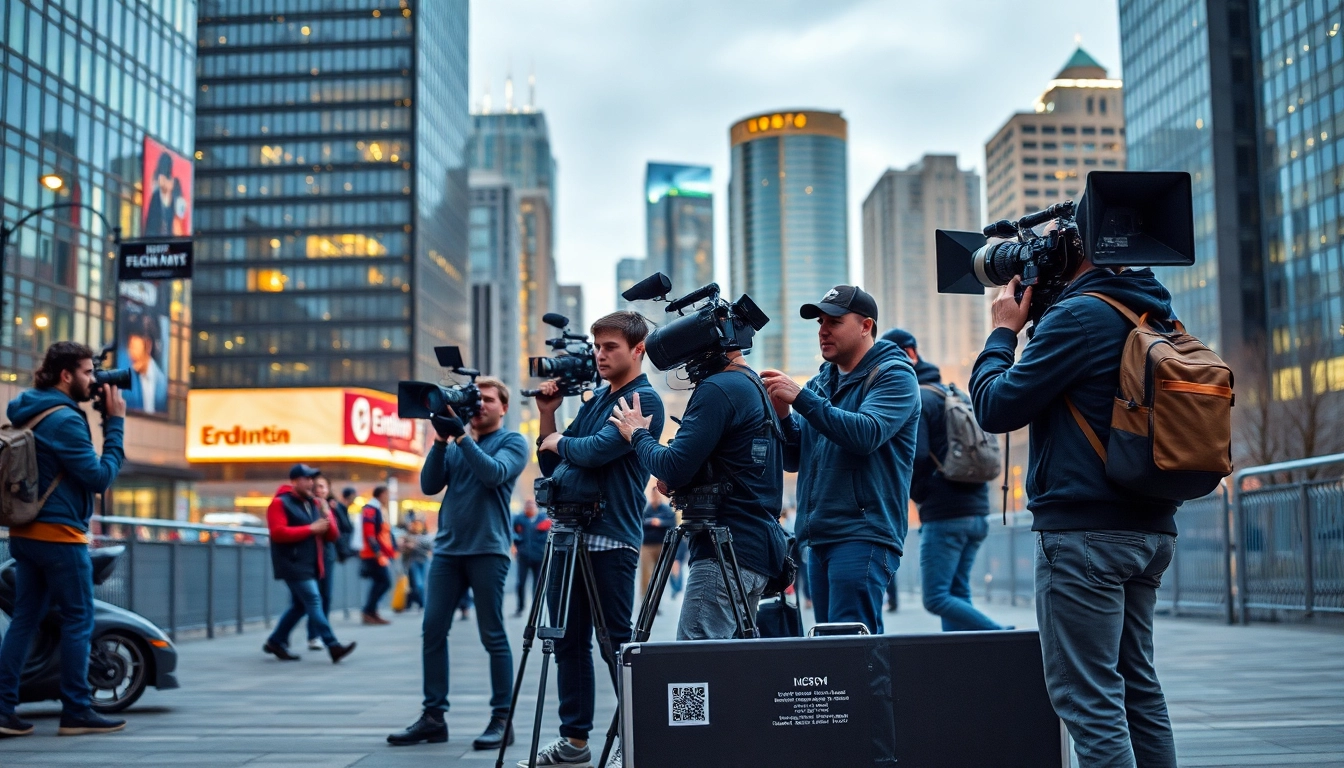
Event videography is a specialized form of video production that focuses on capturing significant moments during various types of events. These can range from weddings and corporate gatherings to concerts and birthday celebrations. The primary goal is to document the essence of an event through visual storytelling, providing a memorable experience for audiences and event hosts alike. With increasing demand for high-quality video content, mastering event videography has become essential for professionals in the field.
The Importance of Quality Footage
The quality of footage captured during events can significantly impact the final product. High-resolution videos, crystal-clear audio, and meticulous editing come together to create a piece that resonates with viewers. Quality footage allows for greater flexibility in post-production, as it can be cut, stitched, and narrated to depict events in an engaging manner. Moreover, a well-produced video not only serves as a documentation tool but also as a promotional asset, showcasing the event’s atmosphere and significance.
Types of Events to Capture
There is a vast array of events where videography can play a crucial role. Some prominent types include:
- Weddings: Capturing the love story of a couple unfolds throughout the day, from the ceremony to the reception.
- Corporate Events: Documenting conferences, seminars, and product launches helps to showcase the company’s professionalism and achievements.
- Concerts and Festivals: Videographers are essential for recording performances and creating highlight reels that celebrate the event’s energy.
- Private Celebrations: Birthday parties, anniversaries, and family reunions require sensitive and creative filming techniques.
- Sports Events: Capturing the intensity and excitement of competitions can enhance viewership and fan engagement.
Essential Equipment for Event Videography
Cameras and Lenses for Diverse Settings
Choosing the right camera and lens setup is integral to successful event videography. Here are some recommended options:
- DSLR and Mirrorless Cameras: These offer versatility and high-quality imaging, essential for different lighting conditions.
- Wide-Angle Lenses: Capturing expansive scenes, such as large crowds or scenic backdrops, requires ultra-wide lenses.
- Telephoto Lenses: For more intimate shots from a distance, a telephoto lens can compress space and capture nuances.
Sound Equipment for Clear Audio
While visuals are crucial, audio quality cannot be overlooked in event videography. Invest in:
- External Microphones: Lapel mics for speeches and shotgun mics for ambient sound capture improve audio clarity.
- Audio Recorders: Standalone recorders can capture higher fidelity audio compared to built-in camera mics.
- Windshields: For outdoor events, windshields help reduce noise interference from wind.
Accessories: Tripods and Gimbals
Stabilization is key to professional-looking footage. Invest in quality accessories like:
- Tripods: Essential for static shots and interviews, providing stability and consistent framing.
- Gimbals: These allow for smooth motion shots and are vital for dynamic capturing, such as walk-throughs of the venue.
- Lighting Equipment: Portable lights can improve the quality of filming in poorly lit environments.
Planning Your Videography Approach
Key Pre-Event Considerations
Effective planning is the backbone of successful event videography. Key considerations include understanding the event schedule, identifying critical moments to capture, and familiarizing yourself with the venue layout. Additionally, reach out to the event hosts to discuss their vision and any must-have shots. Thorough planning helps mitigate unforeseen challenges on the day of the event, ensuring a smooth filming process.
How to Create a Shot List
A detailed shot list is a valuable tool for capturing essential moments without missing any key elements. Consider including:
- Wide shots of the venue and crowd.
- Close-ups of speakers or performers.
- Action shots of guest interactions and reactions.
- Detail shots featuring decor, food, and ambiance.
- Establishing shots as the event unfolds.
Prioritize these shots to help streamline your shooting process during the event.
Working with Event Coordinators
Establishing a collaborative relationship with event coordinators can significantly enhance your videography. They can provide insights into the event flow, key participants to film, and potential roadblocks. Communicating effectively with them beforehand will allow for a coordinated effort on the event day, leading to efficient timing and minimized disruptions.
Techniques for Capturing Exceptional Video
Framing and Composition Tips
The art of videography lies in framing and composition. Utilize the rule of thirds, leading lines, and depth to create visually compelling shots. Experimenting with angles and perspectives will also elevate your footage. High and low angles can provide unique insights into the event, while close-ups can portray emotions effectively. Always be mindful of the background distractions as they can divert attention from your subjects.
Using Lighting Effectively
Lighting plays a crucial role in videography. Use natural light to your advantage, especially during daytime events. For indoor settings, bring portable lighting equipment as needed. Soft light tends to flatter subjects, while harsh shadows can detract from the ambiance. Be aware of the color temperature of various light sources and adjust your camera settings accordingly to maintain consistent and natural coloring throughout the footage.
Recording High-Quality Audio
Clear audio is as essential as high-quality visuals in event videography. Position microphones as close to the sound source as possible, use quality windshields in outdoor settings, and regularly monitor audio levels to avoid clipping. Consider recording ambient sounds and guest interactions to enrich your narrative in post-production. Proper audio management can significantly enhance the overall production quality of your final video.
Editing and Delivering Your Final Product
Software Recommendations for Editing
The editing phase is where your creative vision comes to life. Popular software includes:
- Adobe Premiere Pro: A leading choice among professionals for its extensive features and flexibility.
- Final Cut Pro: Ideal for Mac users, offering intuitive design and powerful tools for video editing.
- DaVinci Resolve: Known for its color grading capabilities, it’s a great option for high-quality finishes.
Review your footage and create a rough cut, followed by refinements to attain a polished final product.
Crafting a Narrative Through Editing
Editing is not just about cutting clips together; it’s about storytelling. Begin with a clear narrative structure, establishing an introduction, body, and conclusion. Use transitions to guide viewers smoothly from one scene to another. Incorporate music and sound effects to elevate emotional engagement. Crafting a narrative allows your video to resonate further with audiences, deepening their emotional connection with the event.
Best Practices for Delivery Formats
Once your video is edited, consider the intended platforms for delivery. Different outlets may require specific formats and resolutions. For example, social media platforms often favor shorter, engaging content, while event organizers may need longer, detailed versions. Export your videos in high-quality formats while ensuring compatibility with playback devices. Keeping in mind your audience’s preferences will result in greater engagement and satisfaction.
FAQs About Event Videography
What equipment is essential for event videography?
Essential equipment includes a quality camera, interchangeable lenses, external microphones, and stabilization tools like tripods and gimbals.
How do I prepare for shooting an event?
Preparation involves creating a shot list, communicating with event coordinators, and scouting the venue to identify key filming locations.
What techniques enhance video quality during events?
Focus on framing, utilizing effective lighting, and ensuring clear audio capture. Experiment with angles, composition, and background elements for better visuals.
How long does the editing process typically take?
The editing duration varies based on the event’s complexity and footage volume, usually ranging from a few days to several weeks.
What are the best formats for delivering final videos?
Export in high-quality formats suitable for your audience, like MP4 for online sharing, ensuring compatibility and optimal viewing experiences.