
Choosing the Perfect Shower Base: Your Guide to Quality and Style
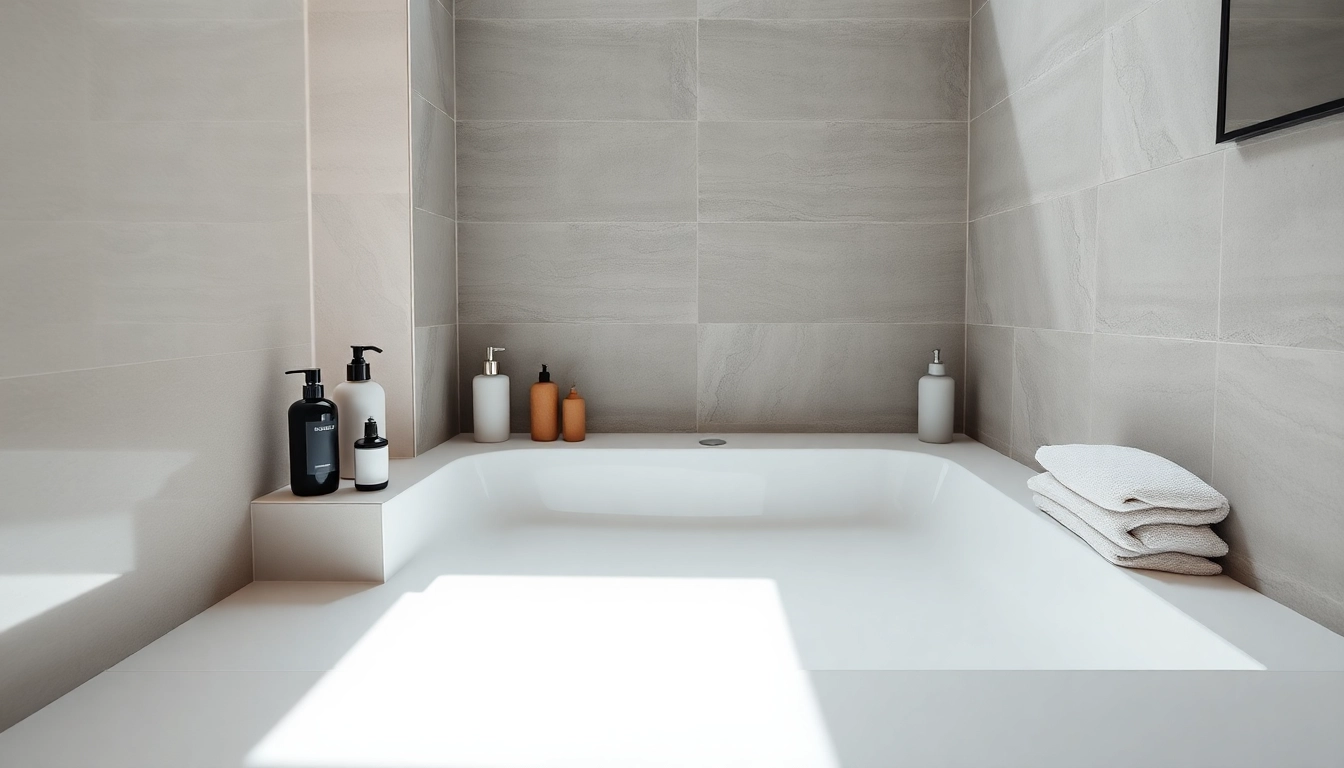
Understanding the Basics of Shower Base
What is a Shower Base?
A shower base serves as the foundational component for a shower enclosure. Typically installed at the floor level, the shower base supports the weight of the water and user while channeling water into the drainage system. It acts as a waterproof barrier, preventing leaks and damage to the structure of your home. The design and material of a shower base can significantly influence the overall functionality and aesthetic of your bathroom. In essence, it is both a practical and stylish element essential for any shower setup.
Diverse Types of Shower Bases
Shower bases come in various types, each designed to meet different needs and preferences. Here are some of the most common types:
- Pre-Fabricated Shower Bases: These are ready-made units that come in standard sizes and shapes. They are made from materials like acrylic or fiberglass and are easier to install, making them popular for DIY projects.
- Custom Shower Bases: Tailored to the specifications of your bathroom, custom bases allow for unique shapes and sizes. These are often made from tiles, natural stones, or poured materials, offering a higher degree of personalization.
- Curbless Shower Bases: These modern designs feature no raised edge (curb), allowing for easy access and a seamless transition between the bathroom floor and the shower area. This design is particularly popular in contemporary and accessible bathroom designs.
Key Features to Consider
When choosing a shower base, several key features should be evaluated to ensure you make the right decision:
- Size: Consider your shower area size and the dimensions of the shower base. Measurements should be taken carefully to ensure a perfect fit.
- Drain Placement: The location of the drain affects installation and compatibility with your plumbing. It’s crucial to align your choice with existing plumbing.
- Texture and Slip Resistance: Look for surfaces that offer grip to prevent slips. Textured finishes not only enhance safety but also aesthetic appeal.
- Weight: Heavier materials may require additional support during installation, so consider the structure of your flooring.
Materials Used in Shower Base Construction
Popular Materials and Their Benefits
The material you choose for your shower base greatly impacts its durability, maintenance requirements, and aesthetic appeal. Here are some popular materials:
- Acrylic: Lightweight and easy to install, acrylic bases are resistant to mold and mildew. They come in various colors and styles.
- Fiberglass: Cost-effective and easy to maintain, fiberglass options are a popular choice for prefab bases. However, they may not be as durable as acrylic.
- Tile: Offers a customizable aesthetic with various design possibilities, but requires more maintenance and care to prevent grout damage.
- Natural Stone: Provides a luxurious look and can last for decades, but may require additional sealing to prevent water damage.
Durability Comparisons
When comparing materials for durability, consider the following:
- Acrylic: While durable, acrylic can scratch and fade over time.
- Fiberglass: Tends to be less durable; susceptible to cracks and fading.
- Tile: When well-maintained, tile can last a lifetime. However, cracked tiles can expose the underlayment to moisture.
- Natural Stone: Extremely durable if properly cared for but may chip or crack under heavy impact.
Environmental Considerations
Environmental impact is another aspect to consider when selecting a shower base. Here are a few considerations:
- Sustainability of Materials: Look for materials sourced from sustainable resources, such as recycled materials in some fiberglass and acrylic products.
- Longevity: Choose options that will last longer to reduce waste. Natural stone, if maintained properly, can last for decades.
- Maintenance Products: Select eco-friendly cleaning solutions to minimize chemical runoff while caring for your shower base.
Installation Process for Shower Base
Preparing the Space
Before installation, careful preparation is essential. The space should be clean and free from debris. Here’s how to prepare:
- Remove any existing shower components and fixtures.
- Ensure the subfloor is level and sturdy.
- Check plumbing for any necessary adjustments, especially for the drain placement.
Tools Required for Installation
Having the right tools on hand is crucial for a successful shower base installation. Key tools include:
- Adjustable wrenches
- Screwdrivers
- Level
- Measuring tape
- Construction adhesive or mortar (depending on base type)
- Tile cutter (if installing a tile base)
Common Installation Mistakes to Avoid
To ensure a smooth installation process, be mindful of these common pitfalls:
- Neglecting to Level the Base: An uneven base can lead to water pooling and drainage issues.
- Ignoring Drain Placement: Always align the base’s drain with existing plumbing to avoid extensive adjustments.
- Inadequate Sealing: Ensure seams and edges are sealed properly to prevent leaks.
Maintenance Tips for Your Shower Base
Cleaning Techniques and Products
Regular maintenance is key to prolonging the life of your shower base. Consider the following cleaning techniques:
- Routine Cleaning: Use a mild soap solution and a soft cloth or sponge to clean the surface after each use.
- Avoid Harsh Chemicals: Steer clear of abrasive cleaners or harsh chemicals that can damage the finish.
- Deep Cleaning: Schedule a thorough deep-clean once a month, using mixtures of vinegar and baking soda for stubborn stains.
Preventing Damage and Stains
To prevent common issues, take preventive steps such as:
- Use a Bath Mat: Place a bath mat outside the shower to absorb excess water.
- Rinse After Use: Rinsing the base with clear water after each shower helps to remove soap scum and minerals.
- Regular Sealant Application: For tile or stone finishes, ensure that sealant is applied regularly to prevent staining.
When to Replace Your Shower Base
Despite proper maintenance, there are times when replacing your shower base becomes necessary. Signs to watch for include:
- Cracks or Chips: Damage to the structure can lead to leaks or further deterioration.
- Persistent Stains: If stains can’t be removed even with deep cleaning, replacement may be the best option.
- Wear and Tear: Signs of significant wear, such as warping or bubbling, can indicate it’s time for an upgrade.
FAQs About Shower Bases
How do I choose the right size for a shower base?
Measure your available space accurately, taking into account existing plumbing. Standard sizes are available, but custom bases can be created as well.
Can I install a shower base myself?
Yes, DIY installation is feasible with the right tools and instructions, though professional installation may be advisable for complex setups.
What materials are best for a shower base?
Acrylic and natural stone are popular for their durability and aesthetic appeal. Choose based on maintenance preferences and design style.
How do I maintain my shower base?
Regularly clean with mild soap and water, avoid abrasive products, and apply sealant when necessary to prevent stains and buildup.
Are there eco-friendly options for shower bases?
Yes, consider bases made from recycled materials or natural stone. Always check for brands that emphasize sustainable practices.