
Choosing the Right Fly Fishing Bag to Enhance Your Outdoor Experience
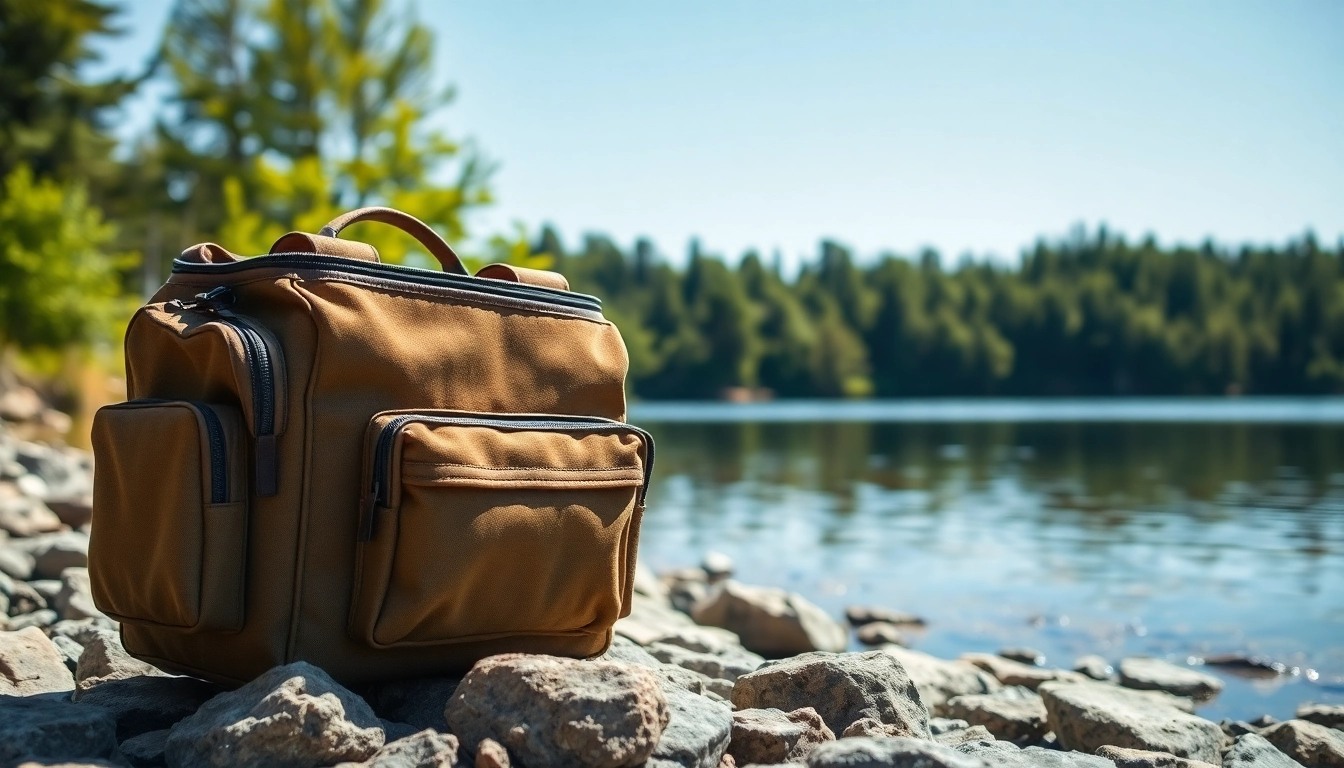
Understanding the Essentials of Fly Fishing Bags
What is a Fly Fishing Bag?
A fly fishing bag serves as an essential gear storage solution for anglers, providing a convenient way to organize and transport fishing essentials. Unlike standard backpacks, fly fishing bags are specifically designed with features that cater to the needs of fly fishers. They allow anglers to carry items like fly boxes, tippets, leaders, tools, and personal essentials, organizing them for quick access during fishing trips. The right fly fishing bag can significantly impact the day’s success and enjoyment on the water.
Key Features of Quality Fly Fishing Bags
When evaluating fly fishing bags, several key features distinguish high-quality bags from standard ones. These may include durable materials, waterproof options, easy-access pockets, and padded straps. Each of these features contributes not only to an angler’s convenience but also to the longevity of the bag itself. Quality materials resist wear and tear from harsh outdoor conditions, ensuring that your gear remains safe and accessible through countless fishing adventures.
Different Types of Fly Fishing Bags
Fly fishing bags come in various types, tailored for different situations and preferences. Common types include:
- Sling Packs: These bags comfortably rest on one shoulder and provide quick access to gear without needing to remove the bag.
- Hip Packs: Worn around the waist, these packs allow for hands-free movement and easy access while wading in water.
- Backpacks: Ideal for longer trips where additional storage is needed, these bags offer greater carrying capacity and often come equipped with organizational features.
- Tackle Bags: Designed for carrying various tackle types, these hold larger items and may include more compartments for organization.
Why a Good Fly Fishing Bag Matters
The Impact on Your Fishing Efficiency
A well-designed fly fishing bag can directly enhance your fishing experience. It allows you to quickly access essential items, minimizing downtime and maximizing fishing duration. If you need to change flies frequently or require specific tools while handling fish, having your gear organized within easy reach keeps you focused and efficient.
How to Choose the Right Size
Choosing the right size fly fishing bag depends on the length of your fishing trips and the amount of gear you typically carry. For day trips, a compact bag with enough room for essentials should suffice. Conversely, for longer expeditions, a larger backpack may be necessary to accommodate food, water, and extra clothing. Understanding your specific needs will guide your purchase decision effectively.
Assessing Durability and Material Options
Durability is a key factor when selecting a fly fishing bag. Look for bags made from high-grade materials such as nylon or polyester, which offer resistance to abrasions and moisture. Additionally, reinforced stitching and quality zippers ensure that your investment will withstand the rigors of outdoor use. Brands that emphasize water-resistant properties often provide added protection against the elements, keeping your gear safe and dry.
Top Features to Look for in a Fly Fishing Bag
Pockets and Compartments for Organization
One of the primary considerations when choosing a fly fishing bag is the arrangement of pockets and compartments. Bags designed with multiple pockets allow you to categorize items for easier access. For example, you might store fishing tools in one pocket, flies in another, and personal items like keys and wallets in a secure compartment. Look for bags that feature external pockets for items that need to be accessed quickly, like tippet spools and scissors.
Comfort and Ergonomics for Long Days
Fishing can sometimes require hours of standing and walking, which makes comfort an essential feature of your fly fishing bag. Padding in straps and back panels can significantly reduce strain, and adjustable features help tailor the fit to your body. An ergonomic design ensures that even on long trips, you won’t experience fatigue that detracts from your fishing enjoyment.
Weather Resistance and Protection
The weather can be unpredictable when you’re out on the water, making weather resistance a critical feature of any fly fishing bag. Look for bags constructed from water-resistant materials or those that come with waterproof covers. A quality fly fishing bag should protect your gear from rain, splashes, and even accidental falls into the water, ensuring that everything from your flies to your phone remains safeguarded.
Popular Brands of Fly Fishing Bags
Comparative Analysis of Leading Brands
Several brands stand out in the market for their quality fly fishing bags, each with its unique selling points:
- Orvis: Known for durable and stylish bags that cater to both casual anglers and dedicated fly fishers.
- Simms: Renowned for their weatherproofing and rugged designs, often preferred by serious anglers.
- Fishpond: They focus on sustainability in their production methods and offer a wide range of functional and aesthetically pleasing bags.
- Umpqua: Combining innovation with quality, Umpqua bags are designed with input from fly fishing experts, ensuring practical features.
User Reviews and Preferences
User reviews are invaluable when assessing which fly fishing bag to purchase. Happy customers often highlight the organization, comfort, and durability of their chosen bag. Conversely, reviews may also point out shortcomings such as inadequate storage, discomfort, or low-quality materials. Investigating consumer feedback helps prospective buyers make an informed decision.
Price Ranges and Value for Money
Price varies widely among fly fishing bags based on brand, features, and materials. While budget bags may start around $30, high-end options can exceed $200. It’s essential to evaluate what features matter most to you and whether a more expensive bag offers better longevity or comfort. Often, spending a bit more upfront can result in considerable savings over time due to fewer replacements.
Maintaining Your Fly Fishing Bag
Cleaning Tips for Longevity
Regular cleaning of your fly fishing bag can extend its life significantly. After each trip, remove all contents and inspect for dirt or grime. Use a damp cloth to wipe down the exterior, and for deeper cleaning, refer to the manufacturer’s guidelines, which may recommend washing by hand or in a washing machine. Avoid harsh chemicals that could damage protective coatings; instead, opt for mild detergents.
Repairing Common Wear and Tear
Even the best fly fishing bags can experience wear and tear. Common issues like frayed straps or broken zippers can often be repaired rather than requiring replacement. Strong adhesive or stitching can fix small damages, while more complex repairs may require taking the bag to a professional. Regularly inspect your bag for signs of wear so that you can address minor issues before they worsen.
Storing and Transporting Your Bag Safely
How you store your fly fishing bag when not in use also contributes to its longevity. Store the bag in a cool, dry place to protect it from mold and mildew. If traveling, ensure that nothing heavy presses against it, which can result in unwanted dents or deformation. Using a protective cover can also help during transport, keeping it safe from damage during travel.