Effective Strategies for Bed Bug Chemical Treatment and Control
Understanding Bed Bug Infestations
What are Bed Bugs?
Bed bugs are small, parasitic insects (Cimex lectularius) that feed primarily on human blood. These nocturnal pests can be found in homes, hotels, and other accommodations. Adult bed bugs can measure up to 5 millimeters in length and are reddish-brown in color, resembling an apple seed. They are well-known for their ability to reproduce rapidly, leading to significant infestations if not controlled.
Signs of Infestation
Recognizing a bed bug infestation early is crucial. Common signs include:
- Small, red, itchy bites on the skin, often in a line or cluster.
- Dark spots on sheets or mattress, indicating fecal matter.
- Molted bed bug skins or shells.
- Seeing live bed bugs in cracks, crevices, or along the seams of mattresses.
- Unpleasant, sweetish odor from heavily infested areas.
How Bed Bugs Impact Health
While bed bugs are not known to transmit diseases, their bites can lead to various health issues such as allergic reactions, secondary infections due to scratching, and significant psychological distress. Individuals may experience anxiety or insomnia due to the fear of being bitten, leading to a general decline in the quality of life.
The Science Behind Bed Bug Chemical Treatment
Types of Chemicals Used
Various chemical treatments are available for bed bug infestations, primarily classified into three types:
- Pesticides: These include pyrethroids and neonicotinoids, which attack the nervous system of bed bugs.
- Desiccants: Products like diatomaceous earth eliminate bed bugs by disrupting their exoskeleton, causing dehydration.
- Insect Growth Regulators (IGRs): These chemicals disrupt the life cycle of bed bugs, preventing them from maturing or reproducing.
Effectiveness of Chemical Treatments
The effectiveness of bed bug chemical treatment can vary based on numerous factors, such as the specific product used, application method, and the level of resistance present in the bed bug population. Often, a combination of treatments is recommended to ensure comprehensive elimination. Treatments typically take several months to work effectively, necessitating follow-up applications.
Safety Considerations
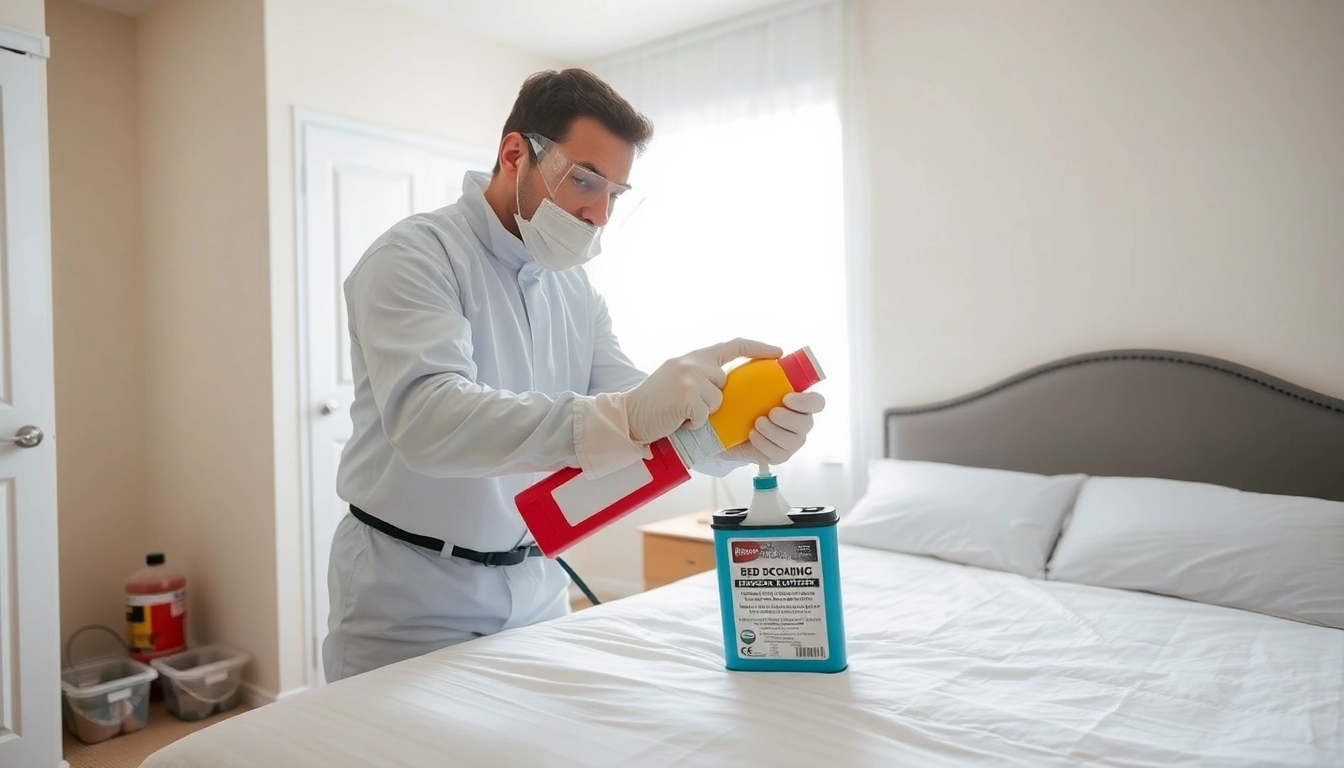
Safety is paramount in any pest control strategy. Most bed bug chemicals are regulated by the Environmental Protection Agency (EPA) and are generally considered safe when used according to label instructions. It is critical to take precautions to ensure both human and pet safety, such as vacating the area during application and conducting thorough cleaning post-treatment.
Preparing for Bed Bug Chemical Treatment
What to Expect Before Treatment
Before starting any treatment, it’s essential to identify the extent of the infestation. Professional exterminators will usually conduct a thorough inspection and may use a combination of chemical and non-chemical methods, such as heat treatment. Expect a detailed action plan tailored to your specific situation.
Steps to Take Prior to Application
Preparation is key to the effectiveness of chemical treatments. Key steps include:
- Decluttering the infested area to allow access to all surfaces.
- Washing and drying bedding and clothing on high heat to kill any hidden bugs.
- Preparing furniture for treatment by moving it away from walls and removing items from the treated area.
Creating a Treatment-Friendly Environment
To maximize the effectiveness of your bed bug chemical treatment, it is advisable to create an environment conducive to pesticide effectiveness. Ensure ventilation in the treated area and remove any electronics or sensitive items, as they could be adversely affected by the chemicals.
Post-Treatment Care and Prevention
Identifying Remaining Bed Bugs
After treatment, it is crucial to monitor your space for any signs of bed bugs. Continued vigilance can include inspecting mattresses, box springs, and dark corners for any visible bugs or fecal matter. Setting up bed bug interceptors is an effective method of detecting activity post-treatment.
Ongoing Prevention Strategies
Prevention is essential to ensure that bed bugs do not return after treatment. Practical strategies include:
- Implementing encasements on mattresses and box springs to create a barrier against bed bugs.
- Regular vacuuming and maintaining cleanliness in your living space.
- Being cautious when traveling, inspecting hotel rooms and luggage for potential infestations.
Monitoring for Future Infestations
Establishing a proactive monitoring system is beneficial. Periodic professional inspections and educating yourself about bed bug signs can help catch any issues early and prevent new infestations from taking hold.
Frequently Asked Questions About Bed Bug Chemical Treatment
How long does bed bug chemical treatment last?
The duration of effectiveness varies, but typically a well-applied treatment can remain effective for several months. Follow-up treatments might be necessary to ensure full eradication.
Is bed bug chemical treatment safe for pets?
Generally, if used as directed, bed bug chemical treatments are safe for pets. However, it’s best to keep them out of treated areas during and shortly after application.
How many treatments are typically needed?
On average, 3-4 treatments are required to fully eradicate bed bugs, depending on the extent of the infestation and product used.
Can I do the chemical treatment myself?
While DIY treatments are possible, professional intervention is recommended for severe infestations, as they can assess the situation accurately and provide comprehensive solutions.
What should I do after treatment?
After treatment, monitor your space for signs of bed bugs, clean the treated area as specified by your pest control professional, and be vigilant about preventing re-infestations.