Essential Insights on Choosing the Right Exit Door for Safety and Security
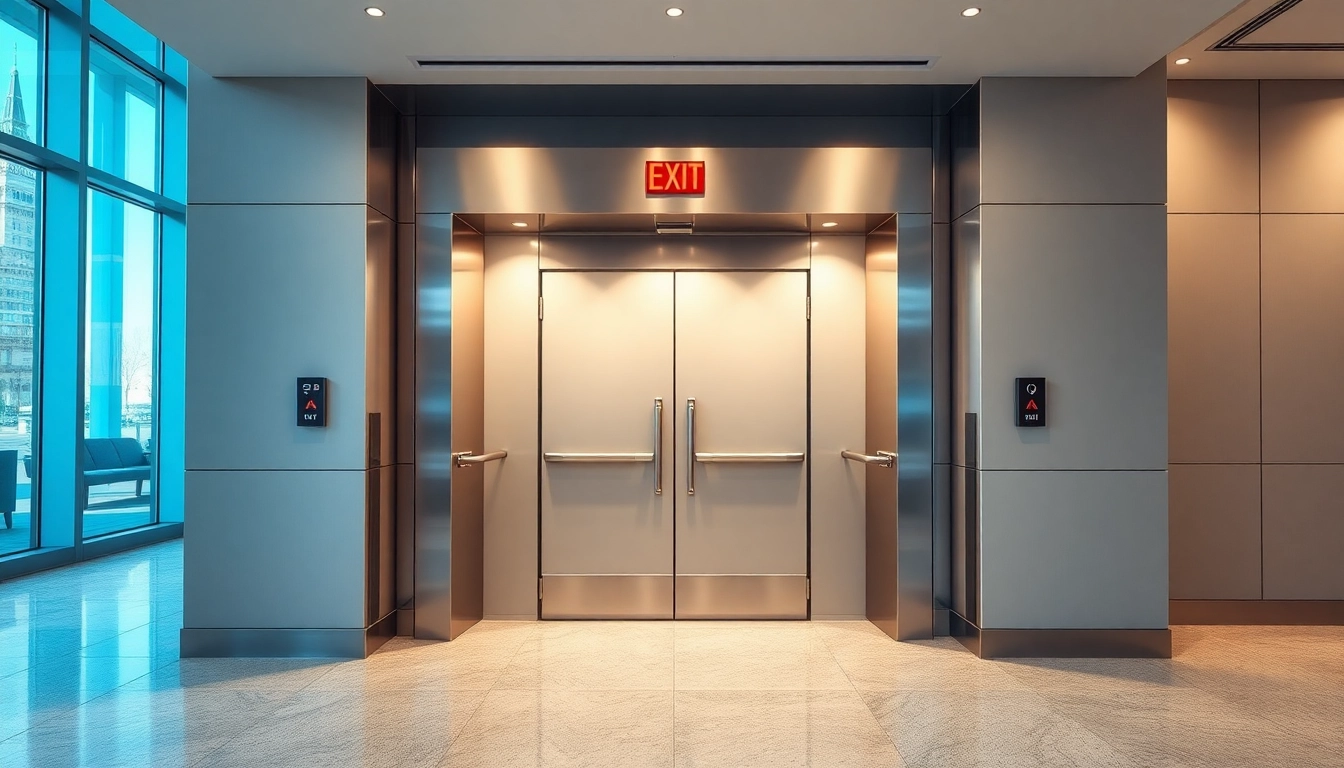
Understanding the Importance of an Exit Door
The critical role of an Exit door in building safety cannot be overstated. As an integral component in fire safety and emergency response protocols, these doors facilitate safe egress, ensuring that occupants can quickly and efficiently exit a building during emergencies such as fires, natural disasters, or other unforeseen events. This section delves deeper into why exit doors are essential, their various types, and prevailing legal requirements.
Role of Exit Door in Safety Standards
Incorporated into various safety standards, exit doors play a pivotal role in life safety systems. They are designed to provide unobstructed egress routes that allow inhabitants to escape quickly. The National Fire Protection Association (NFPA) and the International Building Code (IBC) set minimum standards that dictate how exit doors should be installed, maintained, and inspected. Compliance with these regulations not only provides safety but also helps in mitigating legal liabilities.
Moreover, exit doors must be easily identifiable and accessible, free from any obstructions or barriers that could hinder quick exit. Proper signage with clear and legible font helps in guiding occupants to safety, particularly in low visibility situations. Therefore, the incorporation of exit doors and their compliance with safety standards significantly contributes to personal safety and emergency preparedness.
Common Types of Exit Doors
Different types of exit doors cater to various needs and applications. Here are some commonly utilized types:
- Single Exit Doors: Simple and effective, typically used in residential settings and small commercial buildings.
- Double Exit Doors: Often found in larger establishments, allowing for a wider path of egress during emergencies.
- Fire Exit Doors: Constructed with fire-resistant materials to provide safe egress during fire events.
- Sliding Exit Doors: Used in places where swing doors are impractical, such as hospitals or commercial spaces with high foot traffic.
- Panic Exit Devices: These devices, such as panic bars or push bars, allow quick and easy exit; crucial in emergencies.
Legal Requirements for Exit Doors
Legal mandates regarding exit doors vary by region; however, certain universal criteria apply. Most building codes require exit doors to be:
- Accessible without special knowledge or effort.
- Operable from the inside without a key or any special device.
- Marked with illuminated exit signs when in locations where visibility is poor.
- Equipped with fire-rated hardware when positioned near fire-rated walls.
Regular inspections and maintenance checks are also mandated to ensure exit doors remain functional. Understanding these requirements is crucial for building owners and safety management professionals.
Choosing the Right Exit Door
Choosing the correct exit door is a significant decision impacting building safety and egress efficiency. Factors influencing this choice include material selection, security features, and size/design considerations.
Assessing Material Options for Exit Door
When selecting materials for exit doors, the goal should be to balance durability, cost, security, and fire resistance. Common materials include:
- Steel: Highly durable and secure, steel doors are resistant to forced entry and fire.
- Fiberglass: Lightweight yet strong, fiberglass doors can withstand harsh weather and require less maintenance.
- Wood: While aesthetically pleasing, wooden doors may not meet the same fire resistance requirements as metal or fiberglass options.
- Aluminum: Corrosion-resistant and lightweight, aluminum doors are often used in commercial settings.
These material options provide diverse features tailored to specific environments, requiring careful consideration based on the building type and usage.
Evaluating Security Features of Exit Door
Security features are paramount in exit doors to prevent unauthorized access while ensuring safety during emergencies. Features to evaluate include:
- Locks: High-security locking systems discourage unauthorized entry while ensuring easy egress from the inside.
- Panic Bars: These allow rapid exit and must be operable even when the door is locked.
- Alarm Systems: Some exit doors feature alarms that signal unauthorized access, adding an extra layer of security.
Incorporating these security features will diminish vulnerability while aligning with safety standards and ensuring occupants can exit quickly during emergencies.
Size and Design Considerations for Exit Door
The size and design of an exit door can greatly impact its functionality. Key considerations include:
- Width: Exit doors should be wide enough to accommodate a stream of people during emergencies without bottlenecking.
- Height: Doors need to be tall enough to allow safe passage for all size individuals.
- Accessibility: Compliance with the Americans with Disabilities Act (ADA) ensures that exit doors are accessible to everyone.
Furthermore, the design should align with the overall aesthetics of the building while maintaining practical functionality.
Installation Guidelines for an Exit Door
Once the right exit door is selected, proper installation becomes essential to ensure functionality and safety. Following a comprehensive, step-by-step installation process will lead to optimal performance.
Tools Required for Exit Door Installation
A variety of tools will facilitate a smooth installation process. Commonly required tools include:
- Drill and drill bits.
- Screwdriver and wrenches.
- Level for ensuring correct alignment.
- Measuring tape and square for accuracy.
- Safety gear such as goggles and gloves.
Step-by-Step Exit Door Installation Process
The following outlines the basic steps to effectively install an exit door:
- Measure the door frame to ensure compatibility with the selected door.
- Remove the existing door and frame, if applicable.
- Prepare the new door hardware, including locks and panic bars.
- Install the door frame perfectly level and square.
- Secure the door in place and install hardware.
- Test the door’s functionality to confirm adequate operation.
Following these steps diligently can avert common pitfalls and costly mistakes often encountered during installation.
Common Mistakes to Avoid with Exit Door Installation
Avoiding common installation mistakes can significantly enhance safety and functionality. Key mistakes to watch out for include:
- Incorrect measuring that leads to poor fitting.
- Neglecting to check for proper alignment and leveling.
- Failing to adhere to local building codes and regulations.
- Overlooking testing of panic hardware before finalizing the installation.
Awareness of these challenges can aid in a smoother installation experience and improve exit door performance.
Maintaining Your Exit Door for Optimal Performance
To ensure that exit doors remain functional and comply with safety codes, regular maintenance is critical. A proactive maintenance routine will facilitate a long lifespan and optimum performance.
Regular Inspections for Exit Door
Regular inspections are vital for maintaining exit doors’ safety and functionality. Occasional checks serve to:
- Identify wear and tear.
- Ensure the door opens and closes seamlessly.
- Verify that safety features (e.g., panic bars) function as intended.
- Check for compliance with local codes and safety regulations.
Establishing a periodic inspection routine can help reinforce safety measures within a building.
Cleaning and Care for Exit Door Surfaces
Exit doors need regular cleaning and care to preserve their condition. Maintenance tips include:
- Use appropriate cleaning solutions based on material (e.g., steel, fiberglass).
- Regularly check and clear any debris around the doorframe to maintain accessibility.
- Inspect and lubricate hinges and locks to ensure smooth operation.
Upgrading Exit Door Hardware
Keeping exit door hardware updated not only improves functionality but also safety. Consider upgrading to newer systems that feature:
- Smart Access Technology: Allows for secure, trauma-free access control.
- Enhanced Fire Protection: Modern technologies can provide extra defensive measures.
- Better Egress Solutions: Incorporating innovations like sensor-activated alarms.
Regular upgrades to exit door hardware can significantly contribute to building safety and occupant trust.
FAQs About Exit Door
What is the purpose of an exit door?
An exit door is designed to provide safe escape routes during emergencies, ensuring quick evacuation from a building.
Can exit doors be customized?
Yes, exit doors can be customized in terms of size, material, and additional security features to meet specific needs.
What is a panic bar on an exit door?
A panic bar allows occupants to quickly open the exit door during emergencies by pushing on a horizontal bar.
How often should an exit door be inspected?
Exit doors should be inspected at least monthly to ensure they function properly and comply with safety regulations.
What materials are best for exit doors?
Steel and reinforced fiberglass are preferred materials for exit doors due to their durability and security features.