Elevate Your Space with Expert Commercial Toilet Refurbishment Solutions
Understanding Commercial Toilet Refurbishment
What is Commercial Toilet Refurbishment?
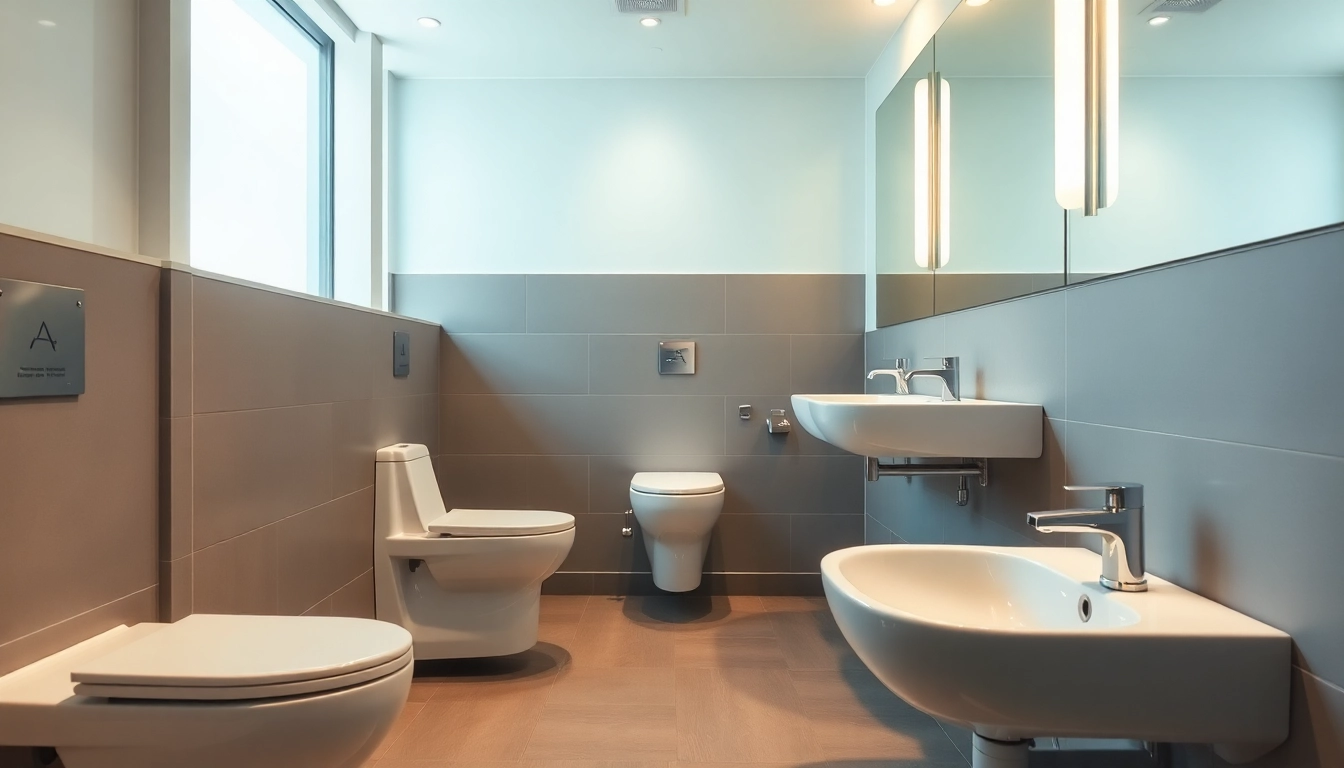
Commercial toilet refurbishment refers to the comprehensive renovation and upgrade of restroom facilities in various commercial settings. This process typically involves replacing outdated fixtures, enhancing aesthetics, improving hygiene standards, and upgrading plumbing systems. The objective is to create a functional, welcoming, and hygienic environment for users, whether they are employees, clients, or visitors. Implementing commercial toilet refurbishment can significantly elevate the overall quality of commercial properties, contributing to a positive impression of the business.
Importance of Quality Restrooms in Commercial Spaces
Quality restrooms play a crucial role in any commercial space. They reflect the organization’s standards and values, providing a first impression that can influence clients and customers. A clean and modern restroom enhances user comfort and satisfaction, reducing complaints and increasing the likelihood of return visits. Furthermore, quality restrooms contribute to employee morale, showing that a company cares about their welfare. Overall, investing in restroom facilities is not just a matter of aesthetics; it’s a strategic business decision.
Expected Benefits of Refurbishing Toilets
The advantages of refurbishing toilets in commercial spaces are manifold. Firstly, modern fixtures and fittings can drastically reduce water consumption and operational costs, enhancing sustainability efforts. Secondly, well-designed restrooms can elevate the user experience, leading to improved customer satisfaction and employee productivity. Additionally, refurbishing toilets can minimize maintenance issues through the use of reliable materials and technology, resulting in lower long-term maintenance costs. Ultimately, the benefits of a commercial toilet refurbishment extend far beyond the restroom itself, impacting the overall perception and operation of a business.
Key Elements of a Successful Refurbishment
Modern Fixtures and Technologies
One critical aspect of toilet refurbishment is selecting modern fixtures and technologies. This includes low-flow toilets, touchless faucets, and sensor-activated flush systems, which not only improve hygiene but also save water. Additionally, consider smart technologies that monitor usage patterns to optimize cleaning schedules and resource allocation. Integrating these technologies not only enhances user experience but also modernizes the restroom environment, showcasing the company’s commitment to innovation and efficiency.
Design Considerations for Optimal Functionality
Design plays a pivotal role in the functionality of commercial restrooms. A well-thought-out layout should ensure adequate space for movement, accessibility for individuals with disabilities, and clear signage to navigate facilities easily. Soft lighting, appropriate materials, and color schemes can also contribute to a calming atmosphere. Choosing non-slip flooring and easy-to-clean surfaces not only values aesthetics but prioritizes safety and maintenance. Ultimately, a multifunctional and user-centric design promotes positive experiences for all visitors.
Choosing Eco-friendly Materials
Choosing eco-friendly materials is essential for sustainability in commercial toilet refurbishment. Options like recycled glass tiles, bamboo fixtures, and low-VOC paints not only reduce environmental impact but can also improve air quality. These materials often enhance durability, thereby extending the lifespan of restroom facilities. By presenting a commitment to environmentally responsible choices, businesses can position themselves as forward-thinking and socially responsible, which is increasingly important to consumers today.
Planning Your Commercial Toilet Refurbishment Project
Budgeting for Your Refurbishment
Budgeting is critical for any refurbishment project. Begin by assessing the current condition of the facilities and determining which elements need urgent attention. Gather estimates from contractors, considering both materials and labor costs, and set aside a contingency fund for unexpected expenses. A well-planned budget helps ensure that the project does not exceed financial limitations, providing a clear roadmap for execution. Additionally, it’s beneficial to compare financing options, including potential grants or eco-initiatives that support sustainable practices.
Finding the Right Professionals
Engaging the right professionals for commercial toilet refurbishment can make the difference between a successful renovation and a disaster. Look for contractors with a solid portfolio in commercial renovations, check reviews, and ask for references. Collaboration with architects and designers can also refine project outcomes, ensuring that all elements are cohesively integrated. Establishing clear communication channels from the start is essential for managing expectations and achieving the desired results.
Timeline and Project Management Tips
Creating a realistic timeline is crucial for a successful refurbishment project. Begin with a detailed assessment of the work to be done and set milestones for each phase of the project. Regular check-ins and clear communication with all stakeholders can help keep the project on schedule. Employing project management tools can streamline coordination and task assignments. Remember to allow for potential delays caused by unforeseen issues, and keep all parties informed about any changes to the timeline.
Common Challenges During Refurbishment
Disruption to Business Operations
One of the most significant challenges during a commercial toilet refurbishment project is the potential disruption to daily business operations. To minimize this impact, consider scheduling refurbishment during non-peak hours or over weekends. Providing alternative restroom facilities for employees and customers can also alleviate inconvenience. Communicating the refurbishment timeline to all stakeholders in advance will help manage expectations and minimize complaints.
Managing Waste and Sanitation Issues
Managing waste and sanitation issues is essential during toilet refurbishment. A solid waste management plan should be in place, detailing how waste will be disposed of and how to maintain sanitary conditions during the project. Frequent cleaning stakeholders need to be informed about the importance of maintaining cleanliness. Providing signage about restroom usage can also assist in keeping areas tidy, ultimately contributing to a positive user experience throughout the refurbishment process.
Addressing Maintenance Concerns Post-Refurbishment
Following the completion of the refurbishment project, maintenance concerns often arise. It is beneficial to have a straightforward maintenance plan that includes regular inspections and prompt repairs as needed. Train staff on the maintenance protocols for the new fixtures and technologies introduced during the refurbishment. Gathering feedback from users can also provide insights on maintenance issues, allowing for timely resolutions and ensuring facilities stay in optimal condition.
Measuring Success After Commercial Toilet Refurbishment
Assessing User Satisfaction and Hygiene Standards
Measuring the success of a commercial toilet refurbishment project begins with assessing user satisfaction. Implementing surveys can gather direct feedback from users, providing valuable insights into their experiences and the perceived cleanliness of the facilities. Regular hygiene audits that evaluate compliance with health standards can ensure that cleanliness is maintained post-refurbishment, showcasing the commitment to high-quality restroom facilities.
Evaluating the Long-term Benefits
A successful commercial toilet refurbishment should yield long-term benefits, including reduced maintenance costs, improved user satisfaction, and enhanced business reputation. Tracking metrics such as restroom visitation rates and user engagement can provide quantifiable insights into the impact of the refurbishment. Furthermore, comparing operational costs pre-and post-refurbishment will offer a clearer picture of financial efficiency improvements, helping justify future investments.
Gathering Feedback for Future Improvements
Collecting feedback is crucial for continuous improvement. Conducting periodic surveys and engaging in conversations with users can highlight areas for enhancement. Understanding user needs and preferences may inform future refurbishment projects or upgrades. Setting up a regular feedback loop ensures that commercial toilet facilities remain relevant and meet the evolving expectations of all users, ultimately positioning the business as customer-focused and responsive.
Frequently Asked Questions
What is the average cost of commercial toilet refurbishment?
The cost varies widely depending on the scope of work, materials used, and location, but budgeting between £20,000 and £50,000 is common for a mid-sized facility.
How long does a commercial toilet refurbishment typically take?
The duration of a refurbishment can range from a few days to several weeks, depending on the project’s complexity and the number of restrooms being renovated.
What factors should I consider when choosing fixtures?
Consider durability, ease of cleaning, water efficiency, accessibility, and overall design aesthetic when selecting restroom fixtures for your refurbishment project.
How often should I refurbish commercial restrooms?
Generally, it’s advisable to assess restroom facilities every 5 to 10 years for potential refurbishment based on usage levels and user feedback.
Can I remain open during the refurbishment process?
Yes, many businesses choose to keep operations running by scheduling work after hours or providing alternative restroom options for employees and customers during renovations.