
Effective Strategies for Vapor Barrier Installation in Homes
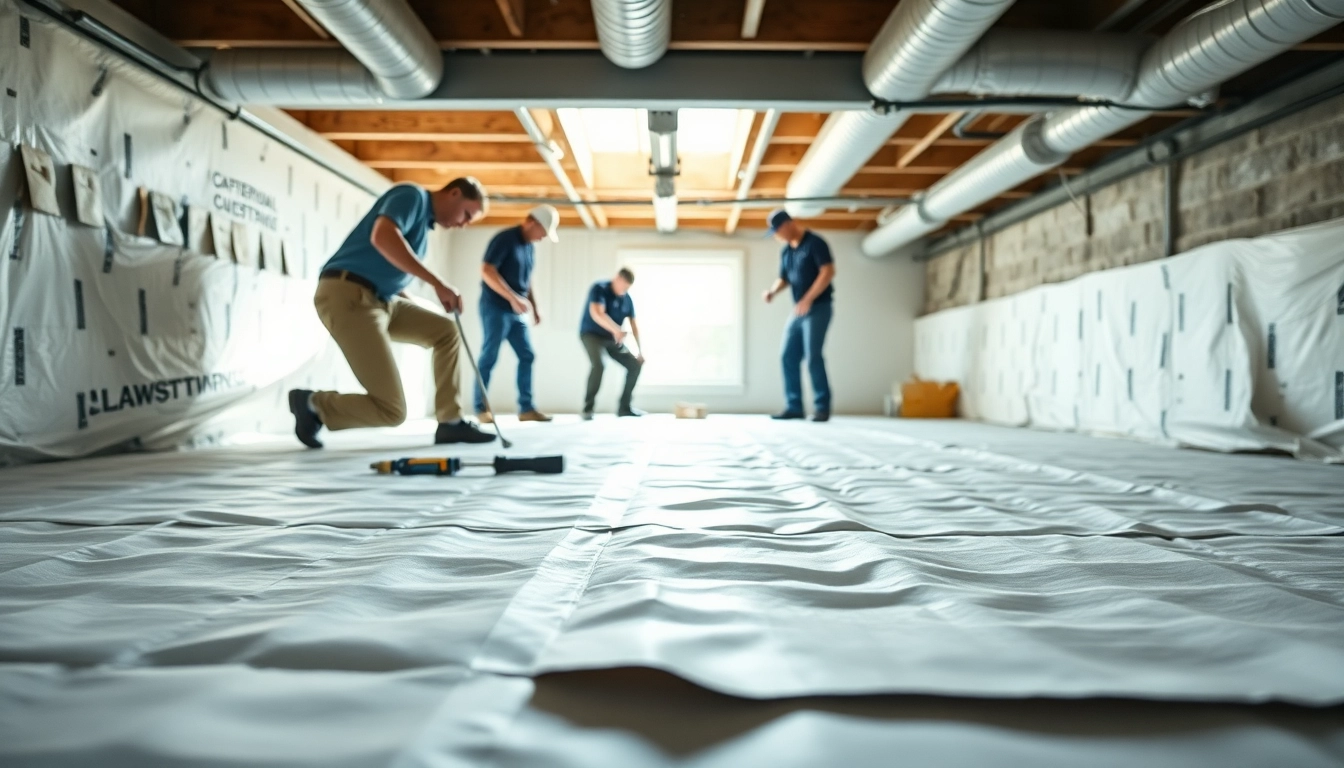
Understanding Vapor Barrier Installation
A vapor barrier is a critical component in the structural integrity of your home, particularly when it comes to crawl spaces and basements. As the name suggests, it acts as a barrier against moisture that can seep through the soil, thus maintaining lower humidity levels within your home. It is essential to understand the importance of Vapor Barrier Installation to protect your foundation and your property’s overall health.
What is a Vapor Barrier?
A vapor barrier is a material, typically made from polyethylene plastic, that is used to inhibit the passage of moisture through walls, floors, and ceilings. In residential construction, it is commonly installed in crawl spaces or basements where the potential for moisture accumulation is high. The primary purpose is to prevent water vapor from condensing, which can lead to mold growth, wood rot, and even structural damage over time.
Importance of Vapor Barrier Installation
The installation of a vapor barrier is crucial for several reasons:
- Mold Prevention: Excess moisture is a breeding ground for mold, which can affect both your home and your health.
- Foundation Protection: A vapor barrier protects foundations from moisture-related issues such as cracking and shifting.
- Energy Efficiency: By preventing moisture build-up, a vapor barrier can enhance your heating and cooling efficiency, thus reducing utility bills.
- Improved Air Quality: Lower humidity levels can lead to improved indoor air quality, benefiting those with allergies or respiratory issues.
Common Materials Used
Different types of materials are utilized for vapor barriers, and choosing the right one can depend on various factors such as climate and location:
- Polyethylene Sheets: These are the most common type of vapor barrier, usually available in varying thicknesses (6 mils to 20 mils).
- Foil: Foil barriers reflect heat but are less common for residential use unless in specific applications.
- Spray-On Barriers: These are applied as a liquid and then harden to form a solid barrier.
Preparing for Vapor Barrier Installation
Preparation is key for an effective vapor barrier installation. Here, we will discuss how to assess your crawl space and gather the tools needed.
Assessing Your Crawl Space
Before starting, thoroughly assess your crawl space for moisture issues. Look for signs of mold, water stains, or musty odors. Check the conditions to determine if additional measures, such as a dehumidifier or drainage pipes, might be necessary to control moisture levels before installing the vapor barrier.
Tools and Equipment Needed
To successfully install a vapor barrier, you will need the following tools and materials:
- Polyethylene sheet or vapor barrier material
- Utility knife or scissors
- Measuring tape
- Stapler or adhesive
- Sealing tape (preferably waterproof)
- Protective gloves and safety goggles
Planning the Installation Process
Planning is essential for a successful vapor barrier installation. Create a layout of your crawl space considering entry points, vents, and where the barrier will cover. Decide if you want to cover just the ground or extend the barrier up the walls as well. An effective plan helps ensure thorough coverage and less chance of moisture intrusion.
Step-by-Step Guide to Vapor Barrier Installation
Now that you are prepared, let’s dive into the step-by-step process of vapor barrier installation.
Measuring and Cutting the Barrier
1. Begin measuring your crawl space dimensions — length and width.
2. Cut the polyethylene sheets to size, making sure to leave a few extra inches on each side to adequately overlap at the seams.
Securing the Barrier in Place
1. Lay the vapor barrier down on the ground of the crawl space.
2. Overlap the sheets by at least 12 inches wherever there are seams and secure the overlaps using sealing tape.
3. Use staples or adhesive to fasten the edges to the ground, preventing any movement.
Sealing Gaps and Joints
1. Ensure all corners and edges are secured to prevent moisture from seeping through.
2. Use additional sealing tape at all joints, seams, and edges for extra protection.
Best Practices for Vapor Barrier Installation
Adhering to best practices during and after installation can ensure the longevity and effectiveness of your vapor barrier.
Avoiding Common Pitfalls
Some common pitfalls include:
- Not sealing overlaps thoroughly.
- Using material that is too thin or unsuitable for the environment.
- Neglecting other moisture control measures such as drainage.
Ensuring Longevity of the Installation
To ensure your vapor barrier lasts:
- Make sure there are no sharp objects or debris under the barrier that could puncture it.
- Regularly check the integrity of the barrier for any signs of damage or wear.
Maintenance Tips After Installation
Post-installation, it is essential to maintain the vapor barrier effectively. Here are some tips:
- Periodically inspect the crawl space for signs of moisture or damage.
- Consider using a dehumidifier if humidity levels remain high.
- Stay vigilant about potential plumbing leaks that could impact the crawl space environment.
FAQs about Vapor Barrier Installation
How Does a Vapor Barrier Protect My Home?
A vapor barrier protects your home by preventing moisture accumulation that can cause mold growth, wood rot, and structural damage.
Can I Install a Vapor Barrier Myself?
Yes, homeowners can install vapor barriers with basic tools and following careful instructions. However, hiring a professional may ensure better results.
What Happens if a Vapor Barrier is Damaged?
If a vapor barrier is damaged, moisture can penetrate, leading to mold growth and structural issues. Repair or replace damaged sections promptly.
How Often Should a Vapor Barrier be Replaced?
A vapor barrier should be inspected regularly and replaced every 5-10 years or sooner if it shows signs of damage or wear.
Can a Vapor Barrier Help with Mold Issues?
Yes, a properly installed vapor barrier is crucial in controlling humidity levels, helping to prevent mold growth in crawl spaces and basements.