Elevating Your Space: A Comprehensive Guide to Your Cape Cod Home Addition
Understanding the Basics of Cape Cod Home Addition
What is a Cape Cod Home Addition?
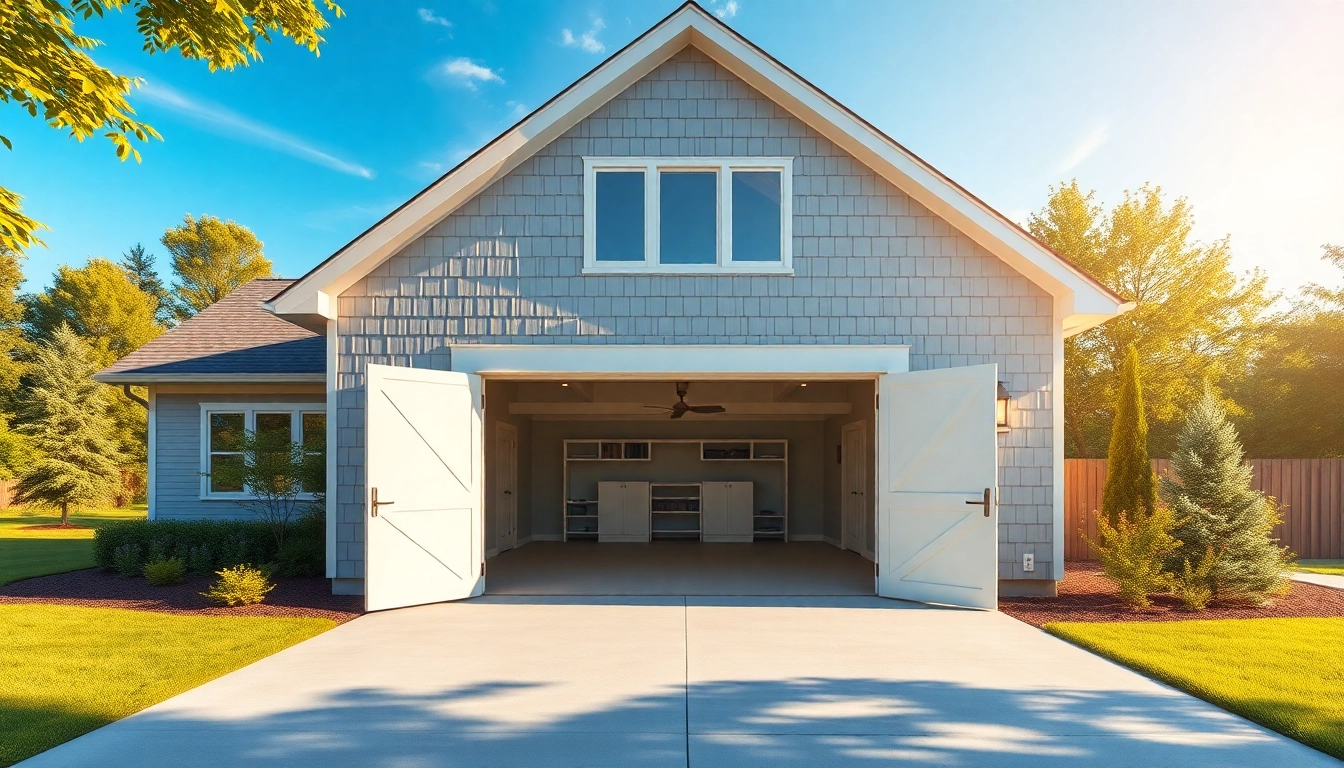
A cape cod home addition typically refers to an expansion or enhancement of a traditional Cape Cod style house, which is characterized by its steep roof, dormer windows, and symmetrical design. This addition can comprise various features such as new rooms, bathrooms, or even attached garages while maintaining the quintessential aesthetic qualities of the original structure. The concept focuses on preserving the classic charm while improving functionality and livability for modern family needs.
Benefits of a Cape Cod Home Addition
Adding on to a Cape Cod home offers numerous benefits. First and foremost, it significantly increases the usable living space, allowing families to grow in their existing homes rather than relocating. This can be particularly advantageous for young families or those looking to create space for home offices or guest accommodations. Furthermore, a well-executed addition can enhance property value, making it a smart investment for homeowners looking to maximize their equity.
Additionally, home additions allow for customization tailored to specific lifestyle needs. Updating features like open-concept living areas or enhanced storage solutions can also improve day-to-day functionality. Finally, a thoughtful addition can enhance a home’s energy efficiency with modern construction materials and techniques, reducing utility costs over time.
Key Design Elements to Consider
When planning a Cape Cod home addition, several design elements are critical to ensure aesthetic harmony with the original structure. Key factors include:
- Roofline Integration: The new roof should match the pitch and style of the existing roof to maintain a cohesive appearance.
- Materials and Textures: Utilizing similar siding materials, window styles, and trim can create a seamless transition between old and new.
- Exterior Colors: Sticking to a compatible color palette helps tie the addition visually to the existing home.
- Floor Plan Flow: Ensuring that the layout of the addition complements the flow of the existing space is vital for avoiding bottlenecks or awkward access points.
Planning Your Cape Cod Home Addition
Setting a Budget for Your Addition
One of the first steps in planning a Cape Cod home addition is setting a realistic budget. Understand that costs can vary significantly based on the scope of the work, materials used, and labor expenses. An important rule of thumb is to allocate 10-20% of your budget for unexpected expenses, ensuring a financial cushion for surprises during construction.
To estimate your budget more accurately, consider consulting with a professional contractor or architect who can help adapt the project to your financial parameters. Gathering several quotes will also provide insights into the average costs associated with your desired scope of work.
Choosing the Right Architect and Builder
Selecting the right professionals to manage your Cape Cod home addition is vital for a successful project. Look for architects and builders with experience specifically in additions or renovations, as they will be more adept at addressing unique structural challenges posed by older homes.
Additionally, assess their portfolio to ensure their design style aligns with your vision and verify their references to gauge past clients’ satisfaction levels. A harmonious working relationship is key; thus, open communication and mutual respect will enhance collaboration throughout your project.
Obtaining Necessary Permits
Before embarking on your Cape Cod home addition, understanding and securing the necessary permits is crucial. Typically, building permits are required for any structural modifications, including new rooms, foundations, and roofing changes. Start by checking local regulations regarding zoning and building codes to ensure compliance before submission.
Your architect or builder can assist in navigating this process, ensuring that plans meet all legal requirements and minimizing potential delays. Failure to obtain the necessary permits can result in fines or complications down the line, making this step one of utmost importance.
Design Inspirations for Your Cape Cod Home Addition
Popular Styles and Features
In the context of Cape Cod architecture, several styles can inspire your addition. Traditional features include:
- Gabled Roofs: They offer a classic silhouette in keeping with Cape Cod design.
- Dormer Windows: Not only functional for lighting and ventilation, but they also enhance the home’s character and architectural integrity.
- Shingle Siding: This is a traditional choice that provides texture while maintaining a coastal aesthetic.
- Symmetrical Layouts: Patterns that uphold traditional balance in windows and doors can preserve the home’s visual appeal.
Integrating Outdoor Spaces
An exciting aspect of a Cape Cod home addition is the opportunity to integrate outdoor living spaces. This might involve expanding existing decks, adding patios, or creating screened porches that extend the living area and take advantage of the scenic beauty often found around Cape Cod homes. Thoughtful landscaping and outdoor furniture selection can also create inviting spaces for relaxation and entertainment.
Outdoor areas should be designed to flow seamlessly from interior spaces, incorporating elements such as sliding doors that allow for easy access. This integration fosters an open, airy feel, further enhancing the overall livability of your home.
Maximizing Natural Light
Natural light is a crucial element of design, especially in areas with stunning views like those found in Cape Cod. Planning your addition to maximize sunlight not only enhances mood and ambiance but can also be beneficial for energy efficiency.
Incorporating large windows, skylights, and glass doors can enhance natural light throughout. It’s also beneficial to consider how sunlight will change throughout the seasons to ensure that spaces remain bright and inviting.
Implementation Strategies for Cape Cod Home Addition
Step-by-Step Construction Process
Understanding the construction process for your Cape Cod home addition can ease concerns and streamline expectations. Here’s a step-by-step overview:
- Planning and Design: Finalizing design plans, settling on materials, and obtaining permits.
- Groundbreaking: Site preparation, including clearing and excavation for the foundation.
- Framing: Constructing the framework for walls and roofing.
- Utilities and Insulation: Installing electrical, plumbing, and HVAC systems before enclosing walls.
- Exterior Finishing: Applying siding, windows, and roofing materials.
- Interior Finishing: Completing flooring, painting, and fixtures.
- Final Touches: Landscaping and any additional outdoor features.
Coordinating with Contractors
Effective communication with your contractors can make a significant difference during your home addition project. Schedule regular meetings to discuss progress and address any concerns. Utilize project management tools for better transparency and organization while allowing all parties involved to remain informed.
Also, clarify roles and responsibilities among contractors to prevent overlap and confusion, ensuring that everyone is on the same page regarding timelines and expectations.
Ensuring Minimal Disruption During Construction
Construction can create significant disruption to your daily routine, so strategizing ahead of time is essential. Set appropriate expectations about noise and disruption with your family. Additionally, consider scheduling construction during school hours if children are involved.
It may also be beneficial to designate a specific area of the home as a ‘quiet zone’ where family members can retreat from the bustle of construction as needed.
Maintaining Your Cape Cod Home Addition
Regular Maintenance Tips
Once your Cape Cod home addition is complete, regular maintenance is key to preserving its appeal and structure. Routine tasks such as gutter cleaning, checking for water damage, and inspecting the roof should be performed at least twice a year. Regularly touching up exterior paint and sealing window frames can help protect against the elements.
Consult your builder for a list of specific maintenance tasks related to materials used and design features included in your addition to ensure longevity.
When to Consider Renovations
Even after a successful addition, there may come a time when further renovations are necessary. Factors to consider include changes in family dynamics, evolving lifestyle needs, and advancing wear and tear. If a new opportunity arises that could enhance the functionality or aesthetic of your home, don’t hesitate to reevaluate how you can optimize your living space.
Evaluating Energy Efficiency
As energy efficiency becomes increasingly important, regularly evaluating the energy performance of your new addition is prudent. Consider installing energy-efficient windows and appliances, and take advantage of technologies like smart thermostats to control heating and cooling effectively. An energy audit can pinpoint areas for improvement, ensuring that your home remains not only beautiful but also environmentally friendly and cost-effective.
FAQs
What is a typical timeline for a cape cod home addition project?
A typical timeline can range from a few months to over a year, depending on the project’s size and complexity.
How much does a cape cod home addition cost?
Costs can vary widely, but the average price range is between $100,000 and $200,000, depending on materials and scale.
Do I need a permit for a cape cod home addition?
Yes, building permits are usually required for home additions. Check with your local building department for specifics.
Can I live in my house during the addition process?
It’s possible, but construction can be noisy and disruptive. Planning for temporary relocations is advisable.
What styles work best for a cape cod home addition?
Traditional Cape Cod styles with dormers, gables, and symmetrical windows complement the original architecture well.