Enhance Your Space with Waterproof Vinyl Flooring: A Complete Guide
Introduction to Waterproof Vinyl Flooring
In the ever-evolving world of home design, flooring options have significantly expanded, with waterproof vinyl flooring emerging as a top contender for homeowners seeking both functionality and aesthetics. This floor type not only looks appealing but also provides practical advantages that cater to diverse environments, particularly in spaces prone to moisture. Understanding the characteristics and benefits of waterproof vinyl flooring can drastically simplify the decision-making process for renovation or new builds.
What is Waterproof Vinyl Flooring?
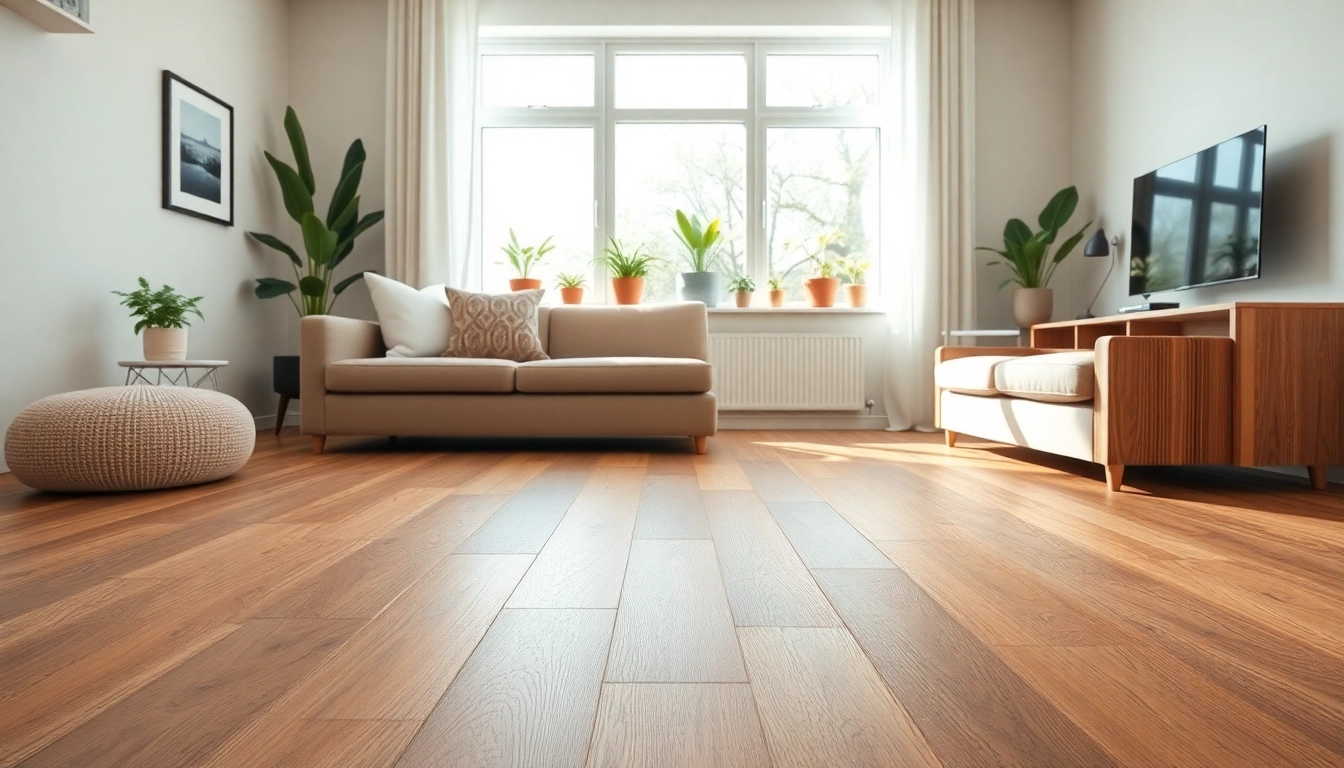
Waterproof vinyl flooring is a synthetic flooring option designed to replicate the appearance of natural materials, such as wood or stone, while being impervious to water. This type of flooring is constructed using multiple layers of durable materials, including a waterproof core, backing, and a wear layer that provides additional resistance to scratches and dents. The unique construction process of waterproof vinyl makes it an ideal choice for areas like kitchens, bathrooms, and basements, where moisture is a common concern.
Key Benefits of Choosing Waterproof Vinyl Flooring
Opting for waterproof vinyl flooring offers several benefits:
- Water Resistance: As the name suggests, this flooring type can withstand spills, splashes, and even flooding, making it perfect for moisture-prone areas.
- Durability: With advanced vinyl technology, these floors are resistant to wear and tear, ensuring a long lifespan under heavy foot traffic.
- Aesthetic Variety: Waterproof vinyl comes in an extensive range of designs, colors, and textures, allowing homeowners to match their decor effortlessly.
- Comfort and Warmth: Unlike tile or hardwood, vinyl feels warmer underfoot and is often softer, providing added comfort.
- Easy Installation and Maintenance: Waterproof vinyl is generally straightforward to install, and its upkeep is minimal, involving simple cleaning methods.
Differences Between Waterproof Vinyl Flooring and Traditional Flooring
Understanding the differences between waterproof vinyl flooring and traditional flooring options like hardwood or ceramic tile is essential. Traditional hardwood floors can be susceptible to warping and damage from moisture, whereas ceramic tiles, while water-resistant, can be cold and rigid. Waterproof vinyl flooring combines the best aspects of both worlds: it provides resistance to moisture and retains warmth and comfort without sacrificing style.
Types of Waterproof Vinyl Flooring
Plank vs. Tile Waterproof Vinyl Flooring
Waterproof vinyl flooring comes in two main forms: planks and tiles. Vinyl planks typically mimic hardwood, offering longer, narrow shapes that create a seamless wood-like appearance. On the other hand, vinyl tiles resemble natural stone or ceramic tiles and come in square shapes. The choice between planks and tiles ultimately depends on your design aesthetic and the specific space where the flooring will be installed.
Features of Luxury Waterproof Vinyl Flooring
Luxury waterproof vinyl flooring takes this material to the next level by incorporating enhanced features such as greater thickness, advanced texture technologies that create realistic finishes, and stronger wear layers for increased protection against scratches and dents. Many luxury options also feature an attached underlayment, enhancing comfort and sound insulation.
Color and Design Choices for Waterproof Vinyl Flooring
The design possibilities with waterproof vinyl flooring are virtually endless. Homeowners can choose from realistic wood grains in various stain colors, stone-like finishes with intricate detailing, or even vibrant patterns that add a punch of personality to any room. This wide variety ensures that there is a suitable option for every style preference and home decor theme.
Installation of Waterproof Vinyl Flooring
Preparation Steps for Installing Waterproof Vinyl Flooring
Before installation, adequate preparation is crucial. Start by ensuring that the subfloor is clean, dry, and level. Remove any old flooring materials and patch any holes or depressions. Allow the subfloor to acclimate to the room’s temperature and humidity, ideally placing new vinyl for at least 48 hours in the installation environment. This step minimizes expansion or contraction after installation.
DIY vs. Professional Installation: What to Consider
Deciding between DIY and professional installation depends on your skill level, tools availability, and the complexity of your flooring project. While DIY can save money, ensuring proper techniques for cutting, laying, and finishing the flooring is essential. Conversely, hiring a professional can lead to a quicker and potentially flawless installation, backed by warranties and expertise.
Tools and Materials Needed for Waterproof Vinyl Flooring Installation
Essential tools for a successful installation include a utility knife, tape measure, straightedge, mallet, and a vinyl roller. Additionally, materials like an underlayment (if required), adhesive (in glue-down installations), and transition strips will also be necessary. Having the right tools and materials ensures a smoother installation process.
Maintenance Tips for Waterproof Vinyl Flooring
Cleaning Techniques for Optimal Care
Maintaining waterproof vinyl flooring is straightforward. Regular cleaning involves sweeping or vacuuming to remove dust and debris, followed by occasional mopping using a damp mop and a manufacturer-recommended cleaner. Avoid harsh chemicals, as they can damage the floor’s surface.
Common Mistakes to Avoid with Waterproof Vinyl Flooring
Avoiding common mistakes can prolong the life of waterproof vinyl flooring. Steer clear of using abrasive cleaners or scrubbers that can scratch the surface. Additionally, using excessive water during cleaning can lead to seepage, ultimately compromising the material’s integrity.
Longevity and Warranty Considerations for Waterproof Vinyl Flooring
With proper care, waterproof vinyl flooring can last for 10 to 25 years or more, depending on usage and maintenance. Most reputable manufacturers offer warranties ranging from 10 to 30 years, covering wear and tear, staining, and fading. It’s essential to read the warranty terms thoroughly to understand what’s included and how to maintain the warranty.
FAQs About Waterproof Vinyl Flooring
How does waterproof vinyl flooring hold up in high-traffic areas?
Waterproof vinyl flooring is designed to withstand high foot traffic thanks to its durable construction and wear-resistant surface, making it suitable for busy areas of the home.
Can waterproof vinyl flooring be installed over existing floors?
Yes, waterproof vinyl flooring can often be installed over existing floors, provided that the subfloor is solid, clean, and level to ensure a smooth finish.
What is the average cost of waterproof vinyl flooring?
The cost of waterproof vinyl flooring typically ranges from $2 to $7 per square foot, depending on the quality, style, and brand, excluding installation fees.
How do I repair scratches on waterproof vinyl flooring?
Minor scratches can often be repaired with a vinyl repair kit or filling solution, while deeper scratches may require replacement of the affected planks or tiles.
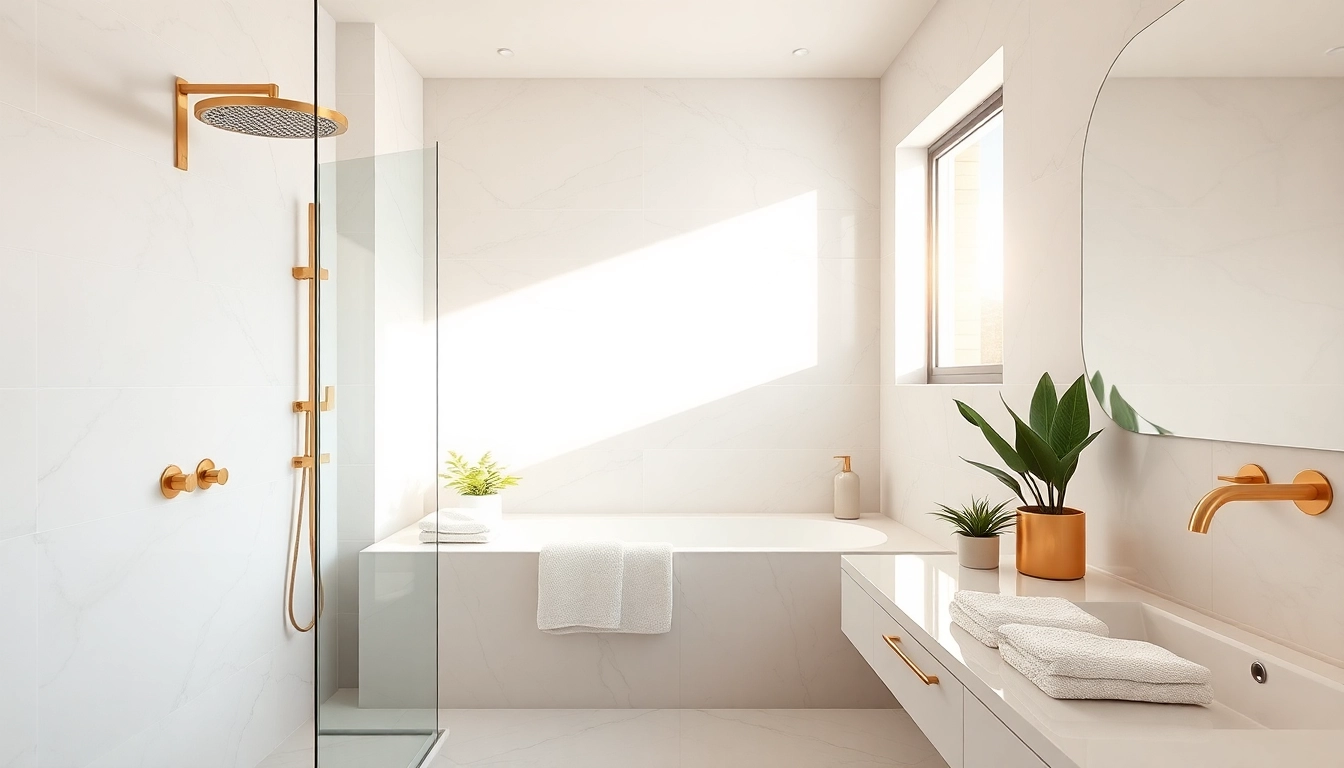
Is waterproof vinyl flooring suitable for bathrooms and kitchens?
Absolutely! Waterproof vinyl flooring is an ideal choice for bathrooms and kitchens due to its resistance to moisture and ease of cleaning, making it practical for these spaces.