Enhancing Product Development with Aluminum Prototypes
Understanding Aluminum Prototypes
What Are Aluminum Prototypes?
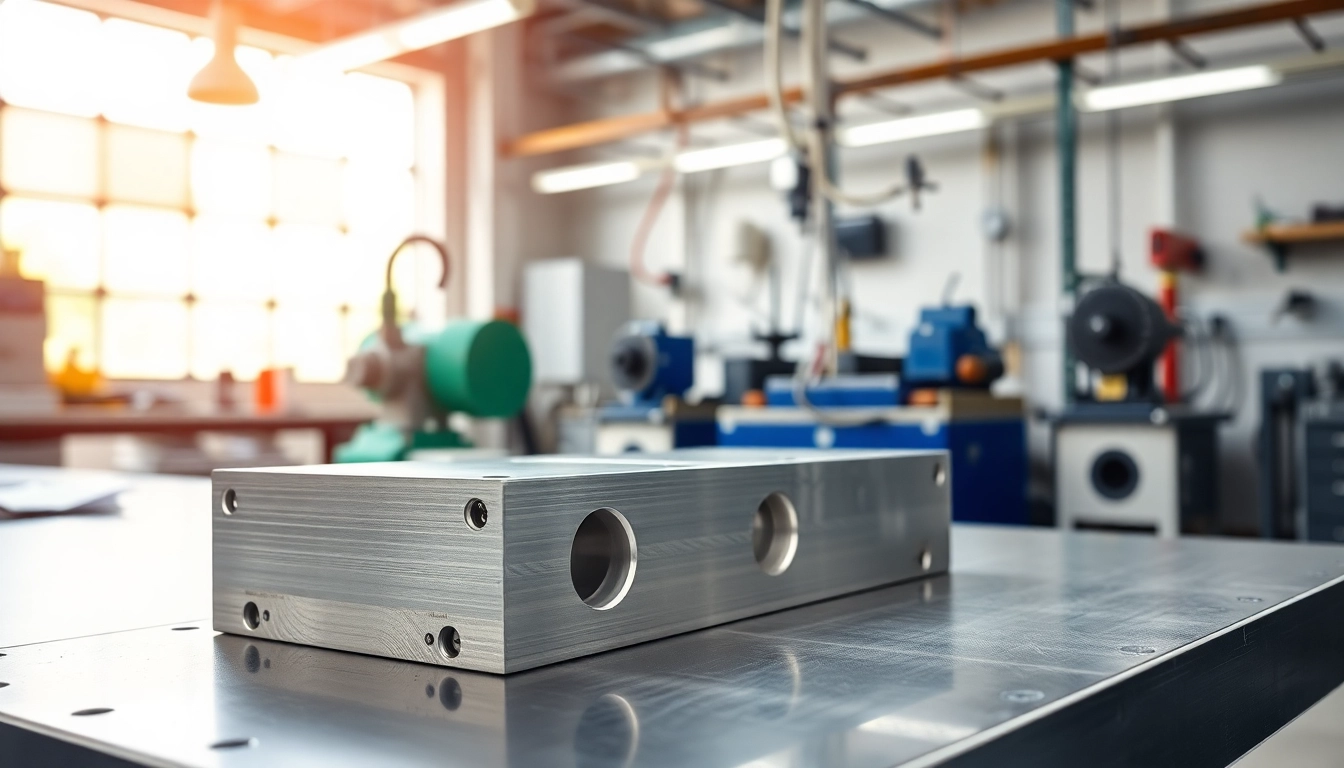
Aluminum prototypes are preliminary models used to demonstrate and test concepts in various fields, particularly in manufacturing and engineering. These prototypes are typically crafted from different aluminum alloys, allowing designers and engineers to assess the functionality, aesthetics, and manufacturability of their designs before moving to full-scale production. The prototyping process is crucial because it provides tangible insights into how a product will perform, ensuring that any potential flaws can be addressed early in the design phase. By creating aluminum prototypes, companies can reduce risks and save time and costs associated with later-stage adjustments.
Key Advantages of Aluminum Prototypes
The advantages of using aluminum for prototyping are abundant, making it a preferred choice among designers and manufacturers. Some of the key benefits include:
- Lightweight: Aluminum is known for its excellent strength-to-weight ratio, which is particularly beneficial for industries where weight constraints are critical.
- Corrosion Resistance: Aluminum naturally forms a protective oxide layer that enhances its resistance to corrosion, making it suitable for various environments.
- Ease of Machining: Aluminum can be easily machined with high precision, facilitating complex designs and making iterations quicker and more cost-effective.
- Thermal and Electrical Conductivity: Its excellent conductivity properties make aluminum ideal for prototypes in electronic applications.
- Cost-Effective: While initial costs may be higher compared to some other materials, the overall savings in time and resources during the prototyping phase often compensate for it.
Common Applications of Aluminum Prototypes
Aluminum prototypes are utilized across various sectors, including:
- Automotive Industry: Prototypes for components such as housings, brackets, and structural components.
- Aerospace: High-grade aluminum prototypes for aircraft parts requiring lightweight yet durable materials.
- Electronics: Enclosures and heat sink prototypes designed for efficient heat dissipation in electronic devices.
- Medical Devices: Prototyping parts that require precision, sterility, and the ability to function in demanding environments.
- Consumer Products: Prototypes for items such as sporting goods and musical instruments, where aesthetics and performance are essential.
Materials and Methods in Prototyping
Popular Alloys for Aluminum Prototypes
Several aluminum alloys are commonly utilized for prototyping, each with distinct properties suited for specific applications:
- Aluminum 6061: Widely regarded for its versatility, this alloy offers a good combination of strength and corrosion resistance.
- Aluminum 7075: Known for its exceptional strength-to-weight ratio, often used in aerospace applications.
- Aluminum 5052: Excellent weldability and formability, making it ideal for marine and automotive applications.
- Aluminum 2024: Valued for its high strength and fatigue resistance; ideal for aircraft structures.
Machining Techniques Used
The machining of aluminum prototypes can be accomplished through various methods, each offering unique advantages based on project requirements. Common techniques include:
- CNC Machining: Highly precise method that utilizes computer-controlled machinery to produce intricate designs with minimal waste.
- Milling: A process that employs rotary cutters to remove material from a workpiece, suitable for both 2D and 3D shapes.
- Turning: Involves rotating the workpiece while cutting tools shape the outer diameter, ideal for cylindrical components.
- Laser Cutting: Uses a high-powered laser to cut through aluminum for highly detailed and complex cuts.
Comparison of Techniques: CNC vs. Casting
When comparing CNC machining and casting for aluminum prototypes, each method has its pros and cons. CNC machining offers precise tolerances and surface finishes, making it suitable for parts that require intricate designs. However, it can be more costly for high-volume production. On the other hand, casting allows for complex shapes to be created more economically in bulk, although it often has less precision and may require additional finishing processes. Ultimately, the choice between CNC machining and casting will depend on factors such as design complexity, budget, and production volume.
Design Considerations for Aluminum Prototypes
Essential Design Factors
Successful aluminum prototyping relies on numerous design considerations, including:
- Dimensions and Tolerances: Ensuring that the design fits within required specifications for accurate assembly and functionality.
- Material Properties: Understanding the characteristics of the selected aluminum alloy to predict performance and suitability for the end application.
- Assembly Requirements: Designing components with interlocking features or mounting methods for seamless integration in the final product.
- Finish Requirements: Considering surface treatments, such as anodizing or painting, that may enhance the product’s durability and aesthetics.
Optimizing for Functionality
To ensure that aluminum prototypes serve their intended purpose effectively, it is essential to:
- Conduct rigorous testing of prototypes to evaluate performance under expected conditions.
- Incorporate feedback from users and clients to refine designs.
- Utilize simulations to predict how designs will behave under stress, thermal changes, or electrical loads.
Common Design Mistakes to Avoid
Avoiding common pitfalls in prototype design can lead to successful outcomes. Here are frequent mistakes to be mindful of:
- Neglecting Tolerance Specifications: Not accounting for tolerances can lead to assembly issues.
- Overcomplicating Designs: Striving for complexity can result in manufacturing difficulties and increased costs.
- Ignoring Material Limitations: Not aligning the design with the material properties can lead to failures during testing.
Cost and Time Efficiency
Reducing Costs with Aluminum Prototypes
To leverage cost efficiency, businesses can implement the following strategies when working with aluminum prototypes:
- Utilize modular designs to simplify the prototyping process and allow for easy adjustments during testing.
- Invest in robust design software that can reduce errors and improve efficiency during the prototyping phase.
- Create prototypes in small batches to facilitate changes without incurring substantial costs associated with mass production.
Time Management in Prototyping Processes
Effective time management is essential for successful prototyping. Here are strategies to optimize this aspect:
- Set clear milestones and timelines for each phase of the prototyping process.
- Regularly review progress and address any delays immediately to stay on target.
- Utilize agile methodologies to promote flexibility and responsiveness to changes in project scope.
Budgeting for Prototyping Projects
Proper budgeting is imperative in prototyping. Factors to consider include:
- Material costs, including variations based on specifications.
- Machining and labor fees based on the complexity of designs.
- Testing and validation expenses to ensure quality.
- Unexpected costs due to design iterations or material changes.
Making the Most of Aluminum Prototypes
Testing and Validation Best Practices
Tests on aluminum prototypes should be thorough. Here are best practices:
- Establish performance benchmarks to identify areas for improvement.
- Conduct tests under varied environmental conditions to ensure reliability.
- Utilize feedback from users and stakeholders for adjustments.
Feedback Loops for Continuous Improvement
Creating effective feedback mechanisms can enhance prototype development:
- Incorporate user feedback early in the design process to inform potential changes.
- Document lessons learned from each prototype iteration for reference in future projects.
Future Innovations in Aluminum Prototyping
The landscape of aluminum prototyping is constantly evolving, with future innovations expected to include:
- Advancements in additive manufacturing for more complex designs.
- Increased use of AI and machine learning to optimize design and production efficiency.
- Enhanced materials that improve performance and reduce costs.
Frequently Asked Questions
1. What makes aluminum a good choice for prototyping?
Aluminum’s lightweight nature, corrosion resistance, and ease of machining make it an excellent choice for many prototyping applications. Its unique properties facilitate quick design iterations and improvements.
2. How does CNC machining compare to casting for aluminum prototypes?
CNC machining offers precision and lower waste for complex parts, while casting is more suitable for high-volume production but may require more finishing due to its lower precision.
3. What are common challenges in aluminum prototyping?
Common challenges include managing costs, ensuring dimensional accuracy, and achieving the desired surface finishes. Proper planning and testing can mitigate these issues effectively.
4. How can I reduce costs during the prototyping process?
Utilizing modular designs, investing in modern design software, and prototyping in small batches can significantly reduce costs associated with aluminum prototypes.
5. What role does testing play in prototyping?
Testing is vital to validate a prototype’s performance, identify design flaws, and collect user feedback. It ensures the final product meets its intended function before mass production.