
Enhancing Skills through Construction Management Training
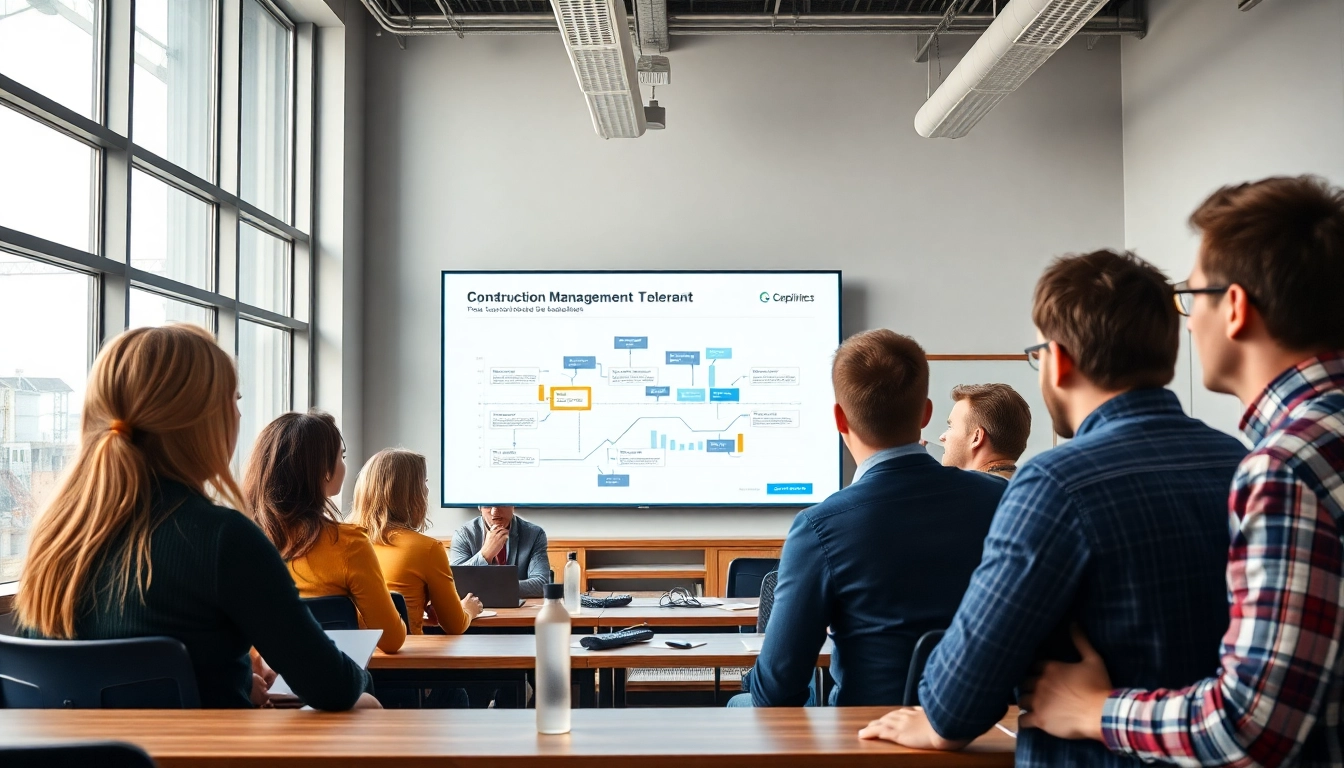
Understanding Construction Management Training
What is Construction Management Training?
Construction management training encompasses a series of educational programs designed to equip individuals with the necessary skills and knowledge to oversee construction projects effectively. This training focuses on various aspects, including project planning, resource management, budgeting, risk assessment, and compliance with safety regulations. With the construction industry continually evolving, such training is essential for anyone looking to maintain a competitive edge.
By engaging in construction management training, learners gain insight into the complexities of construction projects and are prepared to tackle real-world challenges. The courses often include both theoretical frameworks and practical applications to ensure comprehensive understanding.
Importance of Professional Training
Professional training in construction management is vital for several reasons. First and foremost, it helps individuals become proficient in managing the intricacies of construction projects. As the construction landscape becomes more complex with technological advancements and regulatory changes, training ensures that professionals are up-to-date with the latest industry standards and practices.
Moreover, certified training programs often add credibility and enhance the employability of individuals in a competitive job market. Organizations prefer hiring trained professionals who understand project dynamics and can execute projects within budget and timeline constraints. Effective training can also reduce the risk of project failure, which can have significant financial implications.
Overview of Training Programs
Construction management training programs can vary widely in duration, content, and delivery format. Some common types of training include:
- Degree Programs: Typically offered by universities, these programs often culminate in a Bachelor’s or Master’s degree in construction management or a related field.
- Certification Programs: Shorter in length, these programs offer certifications focused on specific skills and knowledge areas, such as project management or safety regulations.
- Workshops and Seminars: These are often one-off sessions focusing on niche topics, providing practical insights and networking opportunities.
- Online Courses: Increasingly popular, online platforms offer flexible learning opportunities that cater to a wide range of schedules and learning styles.
Key Competencies in Construction Management
Project Planning and Implementation
Project planning is a cornerstone of effective construction management. This process involves identifying the project scope, setting deadlines, and allocating resources. A comprehensive project plan helps mitigate risks and ensures that all stakeholders are aligned towards common goals. Implementation requires meticulous execution of the plan, monitoring progress, and making adjustments as necessary. Construction managers must develop strategies that translate plans into actionable tasks while maintaining clear communication with team members.
Budgeting and Financial Management
Financial management is critical in construction projects, where budgets can quickly spiral out of control without careful oversight. Construction management training equips professionals with the tools to prepare accurate cost estimates, manage expenditures, and recognize financial risks that could derail projects. Understanding financial reports, cash flow, and financial forecasting ensures that managers make informed decisions that align financial resources with project needs.
Compliance and Safety Regulations
Compliance with safety regulations is not just a legal obligation but also crucial for protecting workers and minimizing liabilities. Training programs emphasize the importance of understanding local, state, and federal safety regulations. This knowledge allows professionals to establish protocols that ensure a safe working environment, conduct risk assessments, and implement safety training for all team members. A culture of safety not only reduces accidents but also fosters a positive working atmosphere.
Effective Learning Strategies for Construction Management
Blended Learning Approaches
Blended learning combines traditional classroom instruction with online learning components, offering a versatile educational experience. This approach allows students to benefit from direct interaction with instructors while also taking advantage of the flexibility of online modules. Blended learning can enhance engagement and retention of information, making it an effective strategy for construction management training.
Utilizing Technology in Training
Technology is reshaping the landscape of construction management training. Tools such as Building Information Modeling (BIM), project management software, and mobile applications are integrated into training programs to provide hands-on experience with real-world tools. Utilization of virtual reality (VR) enhances immersive learning experiences, enabling trainees to navigate complex environments and scenarios without real-world risks.
Collaborative Learning Techniques
Collaborative learning focuses on teamwork, sharing ideas, and learning from peers. In a field like construction management, where teamwork is essential, this approach can deepen understanding and enhance problem-solving skills. Group projects, discussions, and peer reviews encourage participants to actively engage with each other, fostering a community of learners who can support one another in practical applications and professional development.
Implementing Training in Real Projects
Hands-on Training Methods
Hands-on training is one of the most effective methods for preparing individuals for real-world construction scenarios. This method enables learners to apply theory directly to practice, providing invaluable experience. Site visits, internships, and simulation exercises are some ways that programs incorporate practical training. Such experiences help trainees develop confidence and competence in their roles, readying them for employment in the field.
Case Studies of Successful Implementation
Case studies provide crucial insights into the impact of construction management training. Analyzing projects that have successfully implemented trained professionals offers evidence of best practices, revealing how training contributed to project efficiency, cost savings, and enhanced safety outcomes. Detailed case studies can inspire future construction leaders to invest in and prioritize quality training.
Measuring Training Effectiveness
To validate the value of construction management training, organizations must develop measures for assessing training effectiveness. Key performance indicators (KPIs) such as project completion rates, budget adherence, and safety incident occurrences should be tracked and analyzed. Surveys and feedback from participants can also illuminate perceptions of training and its applicability in real-world situations. Continuous assessment ensures that training programs evolve with industry needs.
FAQs about Construction Management Training
What is the duration of construction management training?
The duration varies, typically ranging from a few weeks to several months, depending on the program structure.
Is certification available for construction management training?
Yes, many programs offer certifications that are recognized in the industry and enhance career prospects.
Who should enroll in construction management training?
This training is beneficial for aspiring project managers, site supervisors, and professionals seeking career advancement.
Are online options available for construction management training?
Absolutely! Many institutions offer online courses that provide flexibility while maintaining high educational standards.
What skills will I gain from construction management training?
You will learn vital skills such as project planning, risk management, budgeting, and communication, essential for successful projects.