
Ultimate Guide to Choosing Allen Keys for 2025: Benefits & Trends
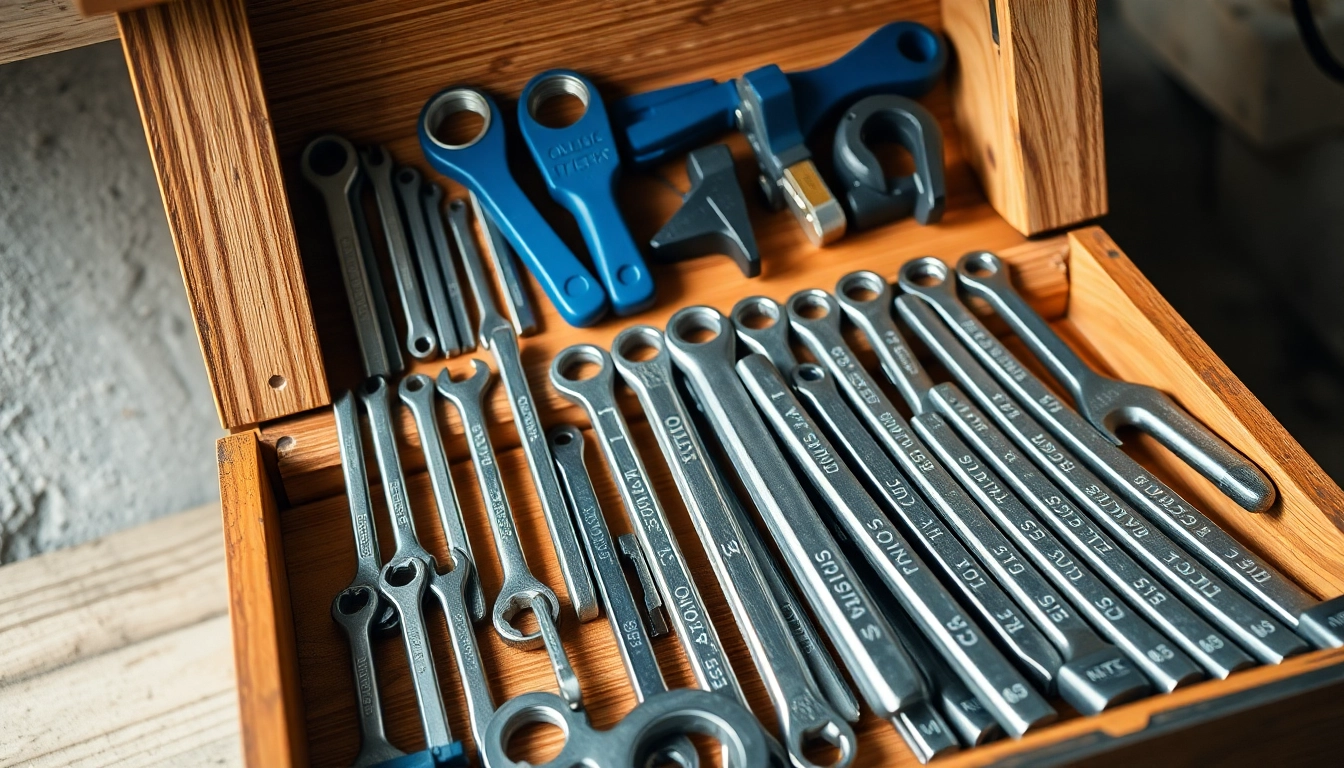
Understanding Allen Keys
What Are Allen Keys?
Allen keys, also known as hex keys, are small, L-shaped tools used for driving fasteners with hexagonal sockets. Unlike conventional screwdrivers, which have flat or Phillips heads, allen keys insert into the recess of a screw or bolt, allowing for better torque and a more secure fit. The unique design minimizes slippage, making it an essential tool in various industries, including automotive, woodworking, and furniture assembly.
Allen keys are often made of durable materials such as carbon steel or chromium-vanadium steel, ensuring longevity and resilience against wear. The simplicity and effectiveness of an allen key lie in its shape and design, as it provides a compact and portable solution for tightening or loosening screws in confined spaces.
Types of Allen Keys
There are several types of allen keys available, each designed for specific applications. The most common types include:
- Standard Allen Keys: These are the basic L-shaped keys available in various sizes. They are suitable for general use and are usually sold in sets.
- Ball-End Allen Keys: Featuring a rounded end, these keys allow for a greater angle of entry, making them ideal for awkwardly positioned screws. They offer versatility without compromising grip.
- Foldable Allen Keys: These are compact tools that store multiple key sizes within a single handle. They are perfect for portability and easy access in a toolbox.
- Torque Wrench Allen Keys: Designed for specific applications that require a precise amount of torque, these keys help prevent overtightening and damage to the fastener.
Applications of Allen Keys
Allen keys are versatile tools with numerous applications across different fields:
- Furniture Assembly: Many ready-to-assemble furniture pieces utilize allen keys for simpler and quicker assembly, making them a favorite among DIY enthusiasts.
- Automotive Repairs: In automotive mechanics, allen keys are essential for assembling and disassembling various components, particularly in motorcycles and bicycles.
- Machinery and Equipment: Various machines, including printers and woodworking equipment, often utilize allen screws for ease of maintenance.
- Electronics: In the electronics industry, especially in assembling PC cases and other hardware, allen keys provide a secure fastening option.
Benefits of Using Allen Keys
Enhanced Grip and Control
One of the standout advantages of using allen keys is the enhanced grip they provide. The hexagonal shape fits snugly into the corresponding fastener socket, allowing for greater torque without slipping. This design drastically reduces the chances of damaging screws or bolts during use, making allen keys safer and more reliable than traditional screwdrivers.
Versatility in Use
Allen keys are used in a multitude of scenarios. Their compact design and various sizes allow them to fit into tight spaces and challenging angles, making them the go-to solution for assembling furniture, repairing machinery, and working on automobiles. The adaptability of allen keys means they can be utilized in both professional settings and casual DIY projects.
Durability and Longevity
Made from high-quality steel and treated for enhanced strength, allen keys are designed to withstand prolonged use. Their resistance to wear and corrosion allows for years of reliable performance, making them a smart investment for both professionals and hobbyists. With proper care and storage, allen keys can last almost indefinitely, ensuring you won’t need frequent replacements.
Choosing the Right Allen Keys
Size and Measurement Guide
Selecting the correct size of allen keys is crucial for achieving optimal results. Allen keys are measured by their width across the flats of their hexagonal ends. Common sizes include metrics (like 2mm, 3mm, 4mm, etc.) and imperial sizes (like 1/16”, 1/8”, etc.). It’s advisable to use a measuring tool to determine the needed size before proceeding with any assembly or repairs.
Material Considerations
The material used in the construction of allen keys impacts their performance and durability. High-carbon steel is common for standard keys, offering a good balance between strength and weight. For heavy-duty applications, chrome vanadium steel is preferred due to its exceptional hardness and resistance to bending. Additionally, consider the finish: chrome plating can provide extra corrosion resistance, making it ideal for humid environments.
Common Mistakes to Avoid
When working with allen keys, a few common mistakes can lead to frustrating results:
- Using the Wrong Size: Using an allen key that does not fit the screw can easily strip the socket or ruin the fastener.
- Overtightening: While it’s essential to ensure a tight fit, overtightening can lead to stripped threads or broken components.
- Neglecting to Clean: Dirt and grime can build up and prevent a proper fit, making it more difficult to use the tool effectively.
Care and Maintenance of Allen Keys
Cleaning Your Allen Keys
To maintain the performance of your allen keys, regular cleaning is essential. Use a soft cloth to wipe away dirt and debris following use. For tougher grime, a gentle scrub with soapy water may be necessary; make sure to dry them immediately afterwards to prevent rust.
Storage Solutions
Proper storage is vital to extending the life of your allen keys. Store them in a designated toolbox or organizer to prevent loss. You can also use magnetic strips to keep them in easy reach without cluttering your workspace. Keeping them grouped by size can further streamline your workflow during projects.
When to Replace Allen Keys
Even the most durable allen keys will eventually wear out. Signs that it’s time to replace your allen keys include noticeable bending, significant wear on the hexagonal ends, or if they frequently slip during use. Investing in high-quality options from a trusted brand can ensure that replacements are infrequent and that you continue working with reliable tools.
Top FAQs About Allen Keys
How Do I Choose the Right Allen Key Size?
Choosing the right size involves checking the socket of the screw or bolt. Measure the width across the flats of the hexagon to determine the appropriate size. Most sets will include a variety of sizes to cater to different applications.
Can Allen Keys be Used for Furniture Assembly?
Yes, allen keys are very commonly used in furniture assembly, particularly for flat-pack items. They offer a simple and effective way to tighten fasteners and can often be found included in the packaging of the furniture.
What Metal is Best for Allen Keys?
The best metals for allen keys are usually high-carbon steel or chrome vanadium steel, as these provide excellent strength and resistance to wear and corrosion. Depending on the intended use, you might also consider specific coatings that enhance durability.
How Often Should I Replace My Allen Keys?
The replacement frequency of allen keys depends on their usage and the conditions they are subjected to. Regular inspection for wear and damage is recommended, and they should be replaced when they show significant signs of degradation or do not perform effectively.
Do Allen Keys Come in Sets?
Yes, allen keys are typically available in sets that include a range of sizes. Purchasing them in sets is usually more economical than buying individual keys, and it ensures you have the correct size available for various tasks.
In conclusion, allen keys are invaluable tools that stand critical in various applications, from furniture assembly to automotive repairs. Understanding their benefits, types, and proper care can optimize your experience with these versatile tools. For an extensive range of allen keys and related tools, consider visiting Mister Worker to find quality solutions that meet your specific needs. Mister Worker