
Maximizing Comfort with Daikin Mini Split AC: A Comprehensive Guide
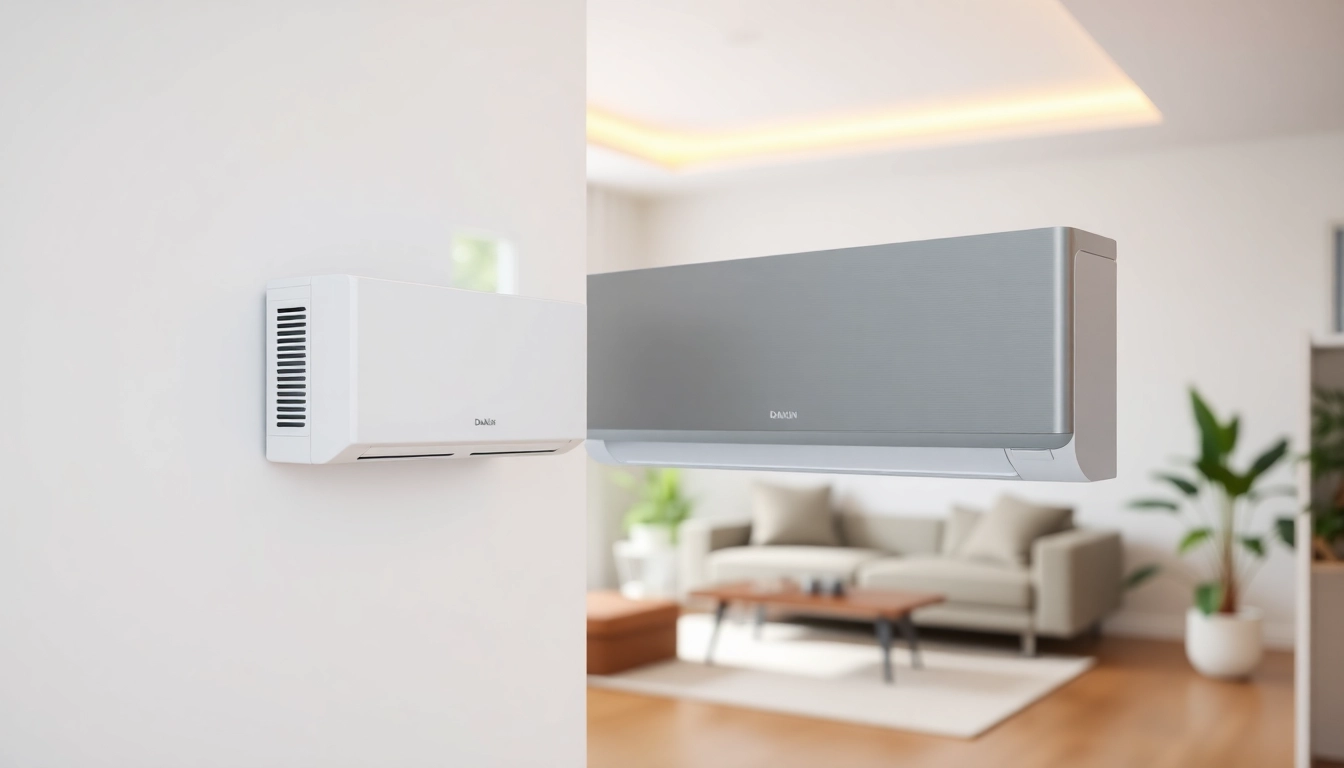
Introduction to Daikin Mini Split AC Systems
In today’s fast-paced world, maintaining a comfortable indoor environment is essential, and that’s where the daikin mini split ac systems shine. These systems have gained popularity due to their flexibility, efficiency, and precise climate control. This article delves into what makes Daikin’s mini split air conditioning systems a preferred choice for many homeowners and businesses, exploring their operation, installation, maintenance, and energy efficiency.
What is a Mini Split AC System?
A mini split air conditioning system, often referred to as a ductless system, consists of two main components: an outdoor unit and one or more indoor units. Unlike traditional central air conditioning, which relies on ducts to deliver conditioned air, mini splits directly blow cool or heated air into the individual rooms. This design allows for tailored climate control, enabling users to set different temperatures for each zone, making it perfect for homes with varying needs.
Benefits of Choosing a Daikin Mini Split AC
Daikin mini split AC units offer numerous advantages, making them an attractive option for homeowners:
- Energy Efficiency: Daikin systems are designed for optimal energy use, often boasting high SEER ratings that translate to lower utility bills.
- Flexible Installation: With no ducts required, installation is easier and less invasive. They can be mounted high on walls, on ceilings, or even flush into ceilings.
- Zone Control: These systems allow for customizable temperature settings in separate rooms, enhancing comfort without wastage.
- Quiet Operation: Daikin units operate more quietly than traditional HVAC systems, providing peace and comfort.
How Daikin Mini Split AC Works
The Daikin mini split AC works by utilizing refrigerant to transfer heat from inside the home to the outside (in cooling mode) or vice versa (in heating mode). The system comprises a compressor, condenser, and an evaporator, working together to maintain the desired indoor temperature. The outdoor unit absorbs heat and expels it outside, while the indoor unit circulates the air within the living space, ensuring optimal comfort year-round.
Installation Process of Daikin Mini Split AC
Preparing Your Space for Installation
Before installing a Daikin mini split AC, proper preparation of the installation space is crucial. It is essential to:
- Choose appropriate locations for both the indoor and outdoor units that facilitate efficient airflow.
- Ensure there’s access to power supplies for connecting the system to the electrical grid.
- Confirm that the walls and surfaces where units will be mounted can support their weight.
- Consult local building codes to ensure compliance, especially concerning noise levels and clearance.
Steps to Install a Daikin Mini Split AC
The installation process comprises several key steps:
- Mount the Indoor Unit: Secure the mounting plate to the wall, ensuring it is level and positioned according to the manufacturer’s specifications.
- Drill a Hole for Piping: Drill a hole through the wall for refrigerant lines, drainage, and power. It should be large enough to accommodate the tubing.
- Install the Outdoor Unit: Place the outdoor unit on a stable platform and ensure adequate airflow around it.
- Connect the Units: Follow the manufacturer’s instructions to connect the refrigerant lines, electrical wires, and drainage hose.
- Test the System: Once all connections are secure, turn on the system and check for leaks, airflow, and temperature output.
Common Installation Challenges
Like any home improvement project, installing mini split AC systems can have its challenges. Some common issues include:
- Noise Levels: If the outdoor unit is installed too close to windows, noise may be an issue. Consider placing it in a location less perceptible from living areas.
- Refrigerant Leaks: Improper handling during installation can lead to leaks, which can harm efficiency. Always ensure seals are tight and connections are professionally managed.
- Obstructed Airflow: Ensure no obstructions are near the indoor unit, as this can reduce effectiveness and air quality.
Optimal Usage and Maintenance Tips
Setting Up Your Daikin Mini Split AC for Efficiency
To ensure your Daikin mini split AC operates optimally, consider the following setup tips:
- Set Appropriate Temperatures: Adjust settings according to seasons; keep temperatures moderate to save energy.
- Utilize Timer Functions: Use timers to adjust the operation schedule based on your daily routines.
- Maintain Proper Insulation: Ensure doors and windows are properly sealed to prevent conditioned air from escaping.
Regular Maintenance Practices
Regular maintenance is key to keeping your Daikin mini split AC efficient and prolonging its lifespan. Here are best practices:
- Clean Filters Regularly: Dirty filters can restrict airflow and decrease efficiency. Clean or replace them monthly during peak usage seasons.
- Check for Other Blockages: Inspect the outdoor unit for debris, leaves, and snow that could block airflow.
- Schedule Professional Service: Consider annual check-ups by qualified technicians to service the system and inspect refrigerant levels.
Signs Your Daikin Mini Split AC Needs Repairs
Being proactive about repairs can save significant costs down the line. Watch for these signs indicating that your Daikin mini split AC may need servicing:
- Inconsistent cooling or heating in different zones.
- Unexpected increases in energy bills without any changes in usage.
- Noisy operation that wasn’t present before.
- Visible leaks or refrigerant pooling around the unit.
Energy Efficiency and Cost Savings
Understanding SEER Ratings
The Seasonal Energy Efficiency Ratio (SEER) indicates an air conditioner’s cooling output in relation to the energy it consumes. A higher SEER rating means more efficiency. Daikin mini split AC systems often have a SEER rating exceeding 20, signifying excellent performance and potential savings on your energy bills.
How to Maximize Energy Efficiency
To maximize energy efficiency while using a Daikin mini split AC, consider adopting these strategies:
- Regular Inspections: Schedule annual maintenance checks to keep the system running at its best efficiency.
- Zone Control: Only cool the rooms you use instead of the entire house, which leads to significant energy savings.
- Use Smart Thermostats: Connect your system with smart thermostats to optimize temperature settings based on your habits.
Financial Benefits of Using Daikin Mini Split AC
Investing in a Daikin mini split AC system can provide substantial financial benefits over time. Their energy-efficient operation can lead to reduced energy bills, while also enhancing home value, particularly in markets where energy efficiency is a key selling point. Furthermore, homeowners may benefit from tax rebates or incentives for installing energy-efficient heating and cooling systems.
FAQs about Daikin Mini Split AC Systems
What is a Daikin Mini Split AC?
A Daikin mini split AC is a ductless air conditioning system that consists of an outdoor and one or multiple indoor units, providing efficient climate control for individual spaces.
How do I maintain my Daikin Mini Split AC?
Regularly clean the filters, inspect for debris around the outdoor unit, and schedule professional maintenance to ensure optimal performance and longevity.
Can Daikin Mini Split AC save on energy bills?
Yes, Daikin mini split AC systems are designed for energy efficiency, often leading to reduced energy bills compared to traditional HVAC systems.
What is the lifespan of a Daikin Mini Split AC?
With proper maintenance, a Daikin mini split AC can last 15 to 20 years, making it a durable investment for your home’s comfort.
How to choose the right size for my Daikin Mini Split AC?
The right size depends on several factors, including the room’s square footage, insulation quality, and climate. Consulting a professional is recommended for accurate sizing.