Understanding Image to Prompt AI Technology
The advent of artificial intelligence has revolutionized the creative landscape, particularly in how we generate art, images, and concepts. Among these innovations, the image to prompt ai tool stands out as a game-changer for artists and content creators alike. This innovative technology takes images and translates them into detailed text prompts, enabling users to create stunning visual art using AI image generators. In this article, we will explore the inner workings of the image to prompt generator, its benefits, and practical applications for users in various creative fields.
What is an Image to Prompt Generator?
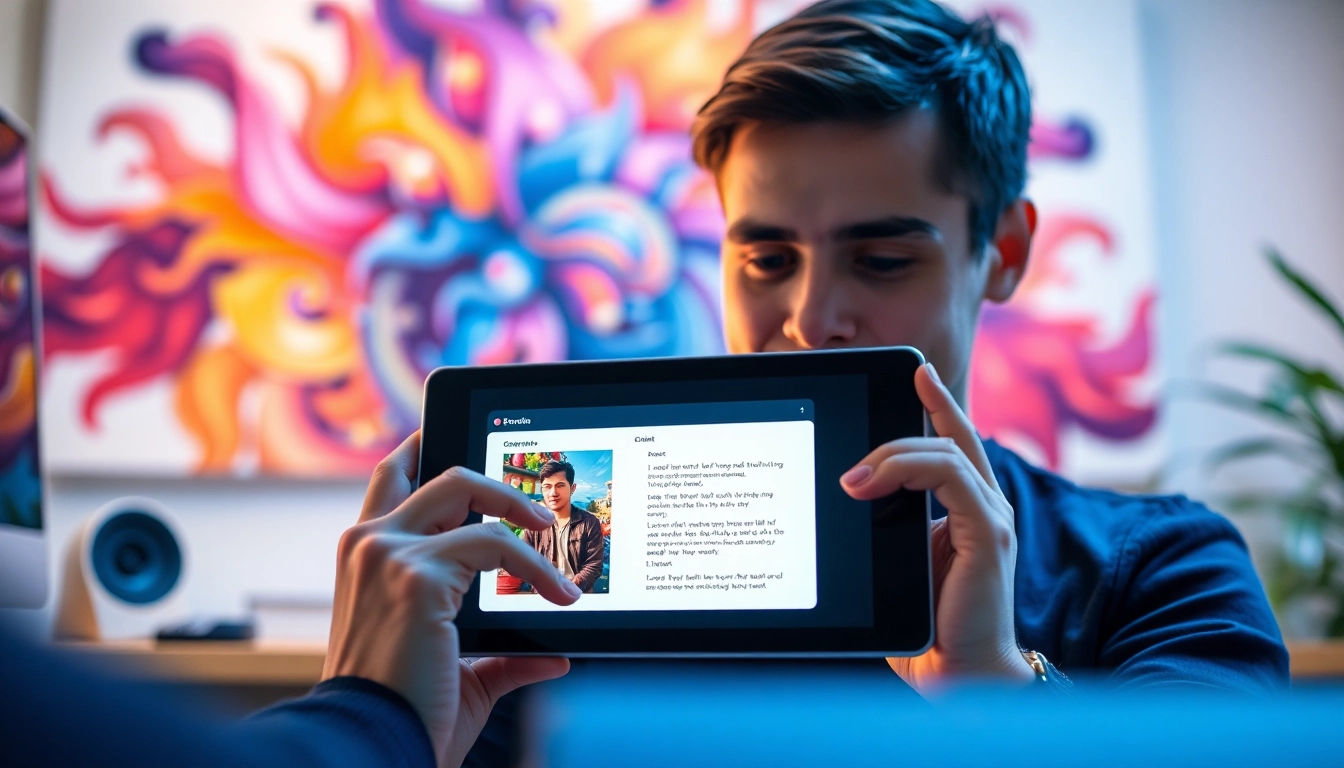
An image to prompt generator is an advanced AI tool designed to convert visual content into descriptive text prompts. The underlying technology relies heavily on computer vision—a field of AI that enables machines to understand and interpret visual data. By analyzing elements such as the subject, environment, style, and mood of an image, the generator crafts a structured text description that can be fed into various AI image generators, including popular platforms like Midjourney, DALL·E, Stable Diffusion, Gemini, and Flux.
How Does Image to Prompt AI Work?
The functionality of an image to prompt generator relies on sophisticated algorithms that utilize large language models in conjunction with computer vision techniques. Here’s how it typically works:
- Image Upload: Users upload an image (JPEG, PNG, or WEBP) to the platform.
- Analysis: The AI analyzes the uploaded image for key features such as color schemes, shapes, subjects, and overall composition.
- Prompt Generation: Based on the analysis, the tool generates a detailed text prompt that encompasses aspects like the scene's environment, style, and emotional tone.
- Output: The generated prompt can be used directly in AI image generation software to produce new visuals based on the description.
Advantages of Using Image to Prompt AI
Utilizing an image to prompt generator offers numerous advantages, particularly for artists and content creators seeking to enhance their work, including:
- Time Efficiency: Quickly convert images into prompts, reducing the time spent brainstorming ideas.
- Enhanced Creativity: Encourages exploration of new ideas and styles by generating prompts that may not have been considered.
- Consistent Results: Produces structured prompts that yield consistent output when used across various AI image generators.
- Accessibility: Many tools operate online and are free to use, making advanced AI technology accessible to all creators.
How to Use the Image to Prompt Generator Effectively
To maximize the benefits of the image to prompt generator, follow these practical steps to ensure effective usage:
Step-by-Step Guide to Generate Prompts
Here’s a straightforward guide to using the image to prompt generator:
- Upload Your Image: Choose an image from your device that you wish to analyze.
- Click the Generate Prompt Button: Initiate the process by selecting the appropriate button on the platform.
- Wait for Prompt Generation: The AI will take a few seconds to analyze the image and produce a text prompt.
- Review and Refine: Check the generated prompt for accuracy and edit it further if needed.
- Use the Prompt: Copy the prompt to utilize it in your preferred AI image generator.
Best Practices for Uploading Images
To achieve the best results from your image to prompt generator, consider these best practices:
- Clear and High-Resolution Images: Opt for images that are high-quality and clear, as this will help the AI analyze details effectively.
- Avoid Cluttered Backgrounds: Simple backgrounds allow the AI to focus on the main subject, improving prompt accuracy.
- Select Relevant Images: Choose images that clearly represent the concepts or themes you wish to explore.
Refining Generated Prompts for Optimal Results
Once a prompt is generated, refining it can yield even better results. Here are strategies to enhance prompt effectiveness:
- Specify Styles or Techniques: Include artistic styles or techniques you want the AI to incorporate in the new image.
- Emphasize Key Elements: Highlight essential details that should be present in the final output.
- Experiment with Variations: Generate multiple prompts using varied images to find the most fitting description for your needs.
Exploring Different Prompt Styles and Formats
Understanding different styles and formats of prompts can help you tailor your output effectively to your creative requirements.
General Descriptive Prompts vs. Structured Prompts
General descriptive prompts are broad and can lead to varying interpretations by AI generators. In contrast, structured prompts are specific and direct, providing clearer guidance for AI tools to follow. For example:
- General Descriptive Prompt: “A beautiful landscape.”
- Structured Prompt: “Cinematic view of a tranquil lake at sunset, surrounded by mountains, with soft reflections in the water.”
Model-Specific Prompts for Various AI Generators
When working with different AI models, it’s crucial to tailor your prompts accordingly. Some models may respond better to certain formats than others. Adapting your prompts to meet the requirements of models like Midjourney or Stable Diffusion can significantly enhance the quality of the generated images.
Experimenting with Variations for Unique Results
Creativity often thrives on experimentation. Test out variations of your prompts to see how subtly changing the wording can lead to completely different outcomes. Incorporating specific adjectives, cinematic styles, or themes can help you uncover unique artistic results.
Real-World Applications of Image to Prompt AI
The applications of image to prompt AI extend far beyond simple art generation. Here are some compelling use cases that illustrate its value:
Case Studies: Successful Uses in Digital Art
Many digital artists have adopted image to prompt generators to streamline their workflow. For instance, an artist may upload a photograph of a landscape and use the generated prompt to create an entirely new piece that incorporates elements from various sources. This approach not only saves time but also inspires innovative compositions that blend different artistic influences.
How Creatives Enhance Their Workflow
By using image to prompt AI, creatives can overcome mental blocks and maintain a steady flow of inspiration. Whether it’s for conceptual art, storyboarding, or marketing visuals, the capabilities of this technology enable artists to explore new ideas rapidly and efficiently.
Feedback from Users on Prompt Accuracy
User testimonials reveal that many find image to prompt AI tools to be reliable and accurate. Artists appreciate the diversity of prompts generated, which can cater to their specific artistic needs and preferences. This user-centric feedback is integral to the continuous improvement of these tools and their relevance in the evolving creative space.
Future Trends in AI Prompt Generation
As AI technology continues to advance, the landscape of image to prompt generation is expected to evolve dramatically. Emerging trends suggest an exciting future ahead for both the technology and its users.
Emerging Technologies Influencing Image to Prompt AI
The integration of deep learning frameworks and more sophisticated neural networks will likely enhance the capabilities of image to prompt generators. These advancements will improve the accuracy of generated prompts, allowing users to create more intricate and diverse imagery.
Predictions for AI-Generated Art in 2026
By 2026, we can foresee AI-generated art becoming not just a tool for artists but also a medium in its own right. With greater acceptance and understanding of AI art, collaborations between human artists and AI technologies will yield groundbreaking works that push the boundaries of creativity.
Staying Ahead in a Rapidly Evolving Creative Landscape
To remain relevant, artists and content creators should embrace these AI advancements. By integrating tools like the image to prompt generator into their workflows, they can leverage AI-assisted creativity, ensuring they stay at the forefront of the ever-changing digital artistic landscape.