Revolutionary Image to Prompt Techniques for 2026: Unlocking Creative AI
Understanding the Concept of Image to Prompt
In recent years, the intersection of artificial intelligence and creative design has revolutionized the way we approach visual content creation. One such innovation is the concept of image to prompt technology, which allows users to convert images into descriptive text prompts. This tool leverages advanced AI algorithms to analyze visual content, providing detailed descriptions that can be utilized in various applications, from art generation to content marketing. As we delve deeper into this technology, it becomes essential to understand its mechanics, applications, and implications for the future of creativity.
What is Image to Prompt Technology?
Image to prompt technology refers to a specialized application of artificial intelligence that focuses on interpreting visual data and converting it into structured text. This process involves machine learning algorithms that analyze images, identify key features, and generate corresponding prompts that articulate the essence of the image. The underlying AI models are trained on vast datasets that include both images and their associated textual descriptions, enabling them to draw connections between visual elements and language.
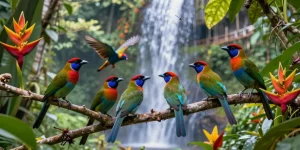
For instance, if you upload a photo of a sunset over a mountain range, the system might generate a prompt that describes the scene in detail—highlighting colors, shapes, and the overall atmosphere. This capability is particularly beneficial for artists, writers, and marketers seeking inspiration or looking to create content based on visual stimuli.
The Role of AI in Generating Prompts
The backbone of image to prompt technology is artificial intelligence, particularly deep learning techniques that allow machines to mimic human cognitive functions. Various AI models, such as convolutional neural networks (CNNs) and transformer models, are employed to dissect and analyze images. CNNs are particularly adept at processing spatial hierarchies in images, making them ideal for feature extraction.
Through extensive training and fine-tuning, these models learn to recognize patterns and associations in images. As they process new images, they leverage this learning to generate coherent and contextually appropriate text prompts, thereby bridging the gap between visual imagery and written language.
Common Use Cases Across Industries
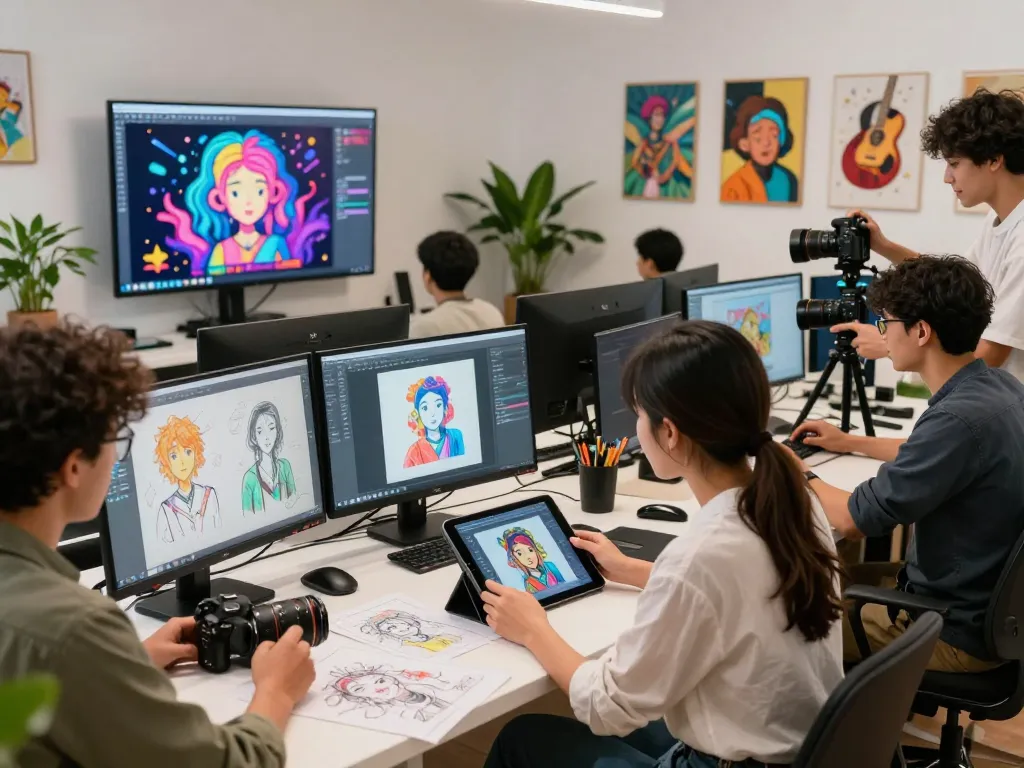
- Art and Design: Artists can utilize image to prompt tools to enhance their creative processes, generating descriptive prompts that inspire new works or help articulate their visions to collaborators.
- Marketing: Marketers can employ these tools to create engaging content based on visual assets, streamlining the content creation process and ensuring consistent messaging.
- Education: Educators can leverage image to prompt technologies to develop instructional materials that cater to diverse learning styles by providing visual cues alongside text prompts.
- Accessibility: These tools serve as valuable resources for visually impaired individuals, providing textual descriptions of images, thereby enhancing their understanding and experience of visual content.
Benefits of Using Image to Prompt Tools
Enhancing Creative Workflows
Image to prompt tools significantly streamline creative workflows by automating the process of generating text descriptions from images. This automation frees up valuable time for creative professionals, allowing them to focus on the ideation and execution phases of their projects rather than getting bogged down in the descriptive process. By quickly generating prompts, these tools reduce the friction often associated with creative work, leading to more efficient project turnarounds.
Improving Accessibility for Non-Artists
The democratization of creative tools is another important aspect of image to prompt technologies. Individuals without formal art training can now participate in creative processes, thanks to the ability of AI to translate visual content into meaningful prompts. This opens up avenues for varied voices and perspectives in creative industries, fostering a more inclusive environment.
Maximizing AI Collaboration in the Creative Process
Collaboration between human creativity and AI capabilities can yield powerful results. By integrating image to prompt tools within their creative processes, practitioners can harness the strengths of both. AI can provide unexpected insights or angles on visual content that the creator may not have considered, thus enhancing the overall quality and depth of the creative output.
Challenges and Considerations
Quality vs. Quantity in AI Outputs
While AI-generated prompts can save time and enhance creativity, there are challenges regarding the quality of outputs. Not all AI models generate prompts of equal sophistication or relevance. Creatives must remain discerning, ensuring that the prompts generated align closely with their vision and needs. This ongoing evaluation is crucial for maintaining high standards in creative outputs.
Understanding Limitations of Current Tools
Despite advancements in AI technology, limitations still exist. Current models may struggle with nuanced descriptions or fail to capture the emotional resonance intended by the original image. Users should not rely solely on AI-generated prompts but instead view them as supplementary tools that inform their creative decisions.
Addressing Ethical Concerns in AI Art Generation
The use of AI in creative contexts raises ethical questions, particularly regarding copyright and authorship. As AI-generated content becomes more prevalent, industry standards will need to be established to ensure that artists and creators are fairly credited for their work. Additionally, the potential for AI to perpetuate biases present in training data needs to be carefully monitored.
Best Practices for Effective Prompt Generation
Working with Different Image Formats
When using image to prompt tools, it’s essential to understand how different image formats can affect the output. Formats such as PNG, JPEG, and GIF have varying properties that might influence how AI interprets their contents. Users should optimize their images for clarity and detail to enhance the quality of prompts generated.
Refining AI Outputs through User Feedback
Continuous improvement of AI models relies heavily on user feedback. Creatives should engage in iterative processes, providing input on generated prompts to refine and enhance AI capabilities. This feedback loop can significantly improve the accuracy and relevance of AI-generated content over time.
Integrating Image to Prompt Tools into Existing Workflows
For organizations looking to adopt image to prompt technology, seamless integration into existing workflows is critical. This may involve training teams on how to effectively utilize AI tools, adjusting processes to incorporate AI-generated outputs, and measuring the impact on productivity and creativity.
The Future of Image to Prompt: Trends and Predictions for 2026
Emerging Technologies and Innovations
As we look towards 2026, several trends are poised to shape the future of image to prompt technology. Innovations in natural language processing and computer vision will likely yield more sophisticated models capable of generating deeper and more contextually aware prompts. Additionally, advancements in user interface design may facilitate more intuitive interactions with image to prompt tools, making them accessible to broader audiences.
Case Studies of Successful Implementation
Industries that have embraced image to prompt technology are already seeing transformative results. For instance, a marketing agency might implement an image to prompt tool to generate engaging ad copy from client-supplied images, resulting in faster campaign launches and improved client satisfaction. Documenting these success stories can provide valuable insights and encourage wider adoption across various sectors.
Preparing for Changes in Creative Industries
As image to prompt technology continues to evolve, creative industries must prepare for shifts in job roles and workflows. Creatives may find themselves collaborating increasingly with AI, necessitating new skills to maximize the potential offered by these technologies. Educational institutions will need to adapt curricula to prepare future professionals for this emerging landscape.
What Role Will AI Play in Artistic Expression?
The integration of AI into creative processes raises questions about the nature of artistic expression. While AI can enhance and augment human creativity, the unique qualities of human intuition and emotional experience remain irreplaceable. The ongoing dialogue about the role of AI in art will likely shape the future of creative endeavors, influencing both how we create and how we understand artistry in the digital age.