
Understanding What Does a Home Warranty Cover and Not Cover for Homeowners
Introduction to Home Warranties
What is a Home Warranty?
A home warranty is a service contract that covers the repair or replacement of important home systems and appliances that may fail due to normal wear and tear. Unlike homeowners insurance, which protects against unpredictable events like natural disasters, a home warranty provides peace of mind for homeowners by covering the costs associated with system malfunctions or appliance breakdowns. This can include anything from faulty heating systems to malfunctioning dishwashers, making it a valuable resource for many homeowners. Understanding what does a home warranty cover and not cover is essential for any potential buyer or current homeowner.
How Does a Home Warranty Work?
The process of utilizing a home warranty is relatively straightforward. After purchasing a warranty plan, homeowners can file a claim when a covered item fails. The warranty provider will then coordinate with a qualified service technician to assess the situation. If the malfunction falls within the warranty’s coverage, the service provider will either repair or replace the item, depending on the situation. Homeowners usually pay a service fee for each visit, which is typically less than the cost of the repair or replacement itself, making home warranties an appealing option for budget-conscious homeowners.
Difference Between Home Insurance and Home Warranty
Home insurance and home warranties serve vastly different purposes. Home insurance protects homeowners from loss due to unforeseen events like theft, fire, or severe weather. This insurance is mandatory for many mortgage providers. On the other hand, a home warranty specifically covers the repair or replacement of home appliances and systems that fail due to everyday wear. It is not a substitute for insurance but rather a supplement that addresses maintenance and repair needs not covered by a standard homeowners insurance plan. Understanding these differences can help homeowners make informed decisions regarding their protection options.
What Does a Home Warranty Cover and Not Cover?
Commonly Covered Items
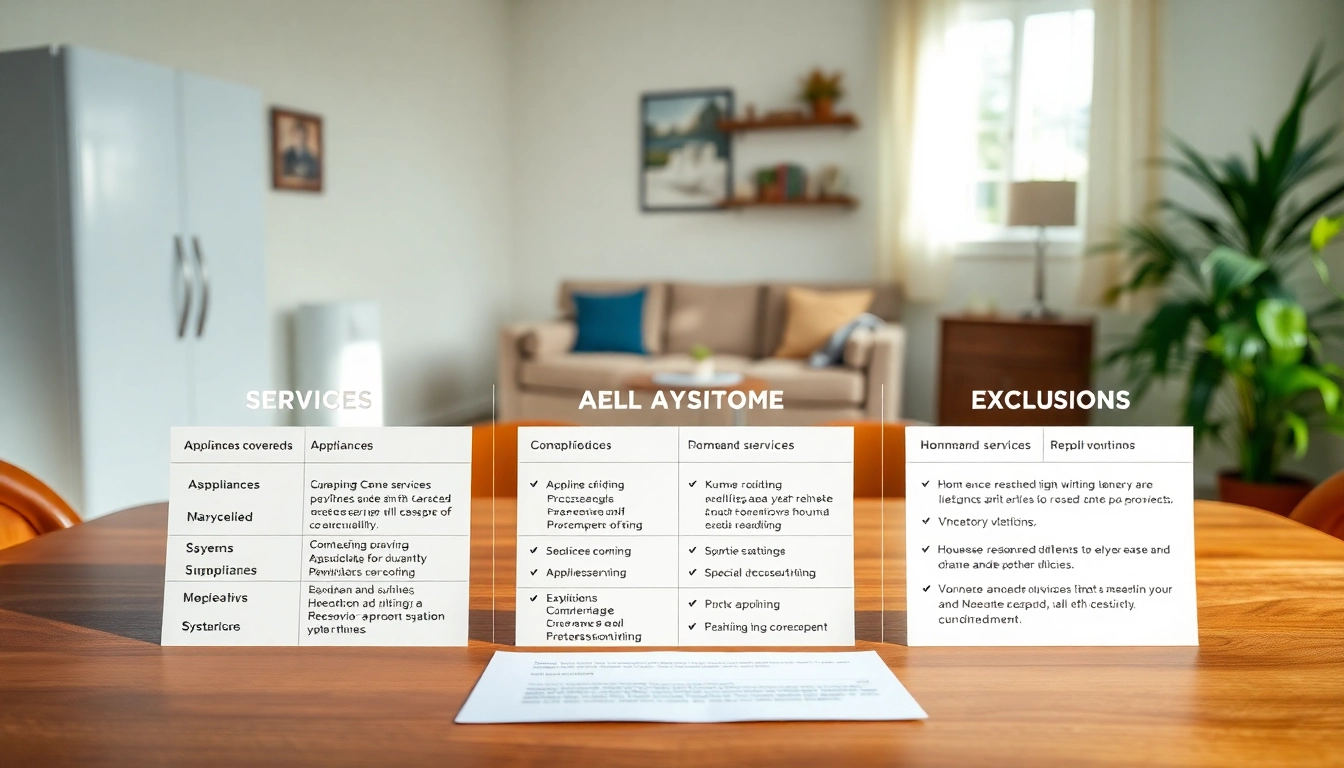
Home warranties typically cover major systems and appliances. Some of the most commonly covered items include:
- Heating and Cooling Systems: This often includes the HVAC system, furnaces, and central air conditioners.
- Plumbing Systems: Coverage can extend to plumbing stoppages, pipes, and fittings.
- Electrical Systems: This includes wiring, outlets, and circuit breakers!
- Kitchen Appliances: Items such as refrigerators, ovens, dishwashers, and microwaves are usually included.
- Washer and Dryer: Many warranties cover laundry appliances as part of their service.
The actual coverage can vary significantly from one warranty provider to another. Therefore, checking specific plans is crucial to understanding how different warranties can meet your needs.
Items Typically Not Covered
Despite the comprehensive list of covered items, home warranties often have limitations and exclusions. Typically, the following items are not covered:
- Pre-existing Conditions: Items that were already defective before the warranty took effect are generally not covered.
- Environmental Damage: Damage caused by flooding, earthquakes, or pests is rarely included.
- Specialty Items: Pools, spas, and other luxury items may require additional coverage or are not covered at all.
- Neglect and Improper Maintenance: If a homeowner failed to maintain an item, the warranty provider may deny claims.
It’s important for homeowners to read the terms carefully to avoid surprises when they need to file a claim.
Understanding Exclusions and Limitations
Exclusions and limitations are a common source of confusion for homeowners. Each warranty provider has a specific list that outlines exactly what is not covered, as well as scenarios where the coverage may be limited. This could include limitations on repairs due to age, or restrictions based on usage. For instance, some warranties may only cover items that are within a certain age range or condition level. Homeowners should thoroughly read all documents and seek clarifications on terms to ensure they have a clear understanding of the scope and limitations of their coverage.
Benefits of Home Warranties
Peace of Mind for Homeowners
One of the primary benefits of a home warranty is the peace of mind it provides. Knowing that a significant malfunction will not lead to financial ruin alleviates stress for homeowners. This assurance is especially valuable for first-time buyers who may be unfamiliar with the hidden costs associated with homeownership. A warranty acts as a safety net, allowing homeowners to focus on enjoying their living spaces without constant worry about unexpected repair bills.
Cost Savings on Repairs
Home repairs can be expensive, and the costs can add up quickly. By covering repairs and replacements for systems and appliances that fail, home warranties can lead to significant cost savings over time. Homeowners often pay a fixed service fee for repairs, which is generally less costly than paying for the whole repair out of pocket. This can lead to substantial financial relief, especially for older homes with outdated systems that may need frequent maintenance.
Enhancing Property Value
A home warranty can also enhance the overall value of a property. For prospective buyers, a home warranty can be a strong selling point. It signifies a commitment to maintenance and care, instilling confidence that they will not inherit significant repair issues immediately upon purchase. Therefore, having a home warranty can make a home more attractive to buyers, potentially facilitating faster sales and even higher market prices.
Choosing the Right Home Warranty
Assess Your Home’s Needs
Every home is unique, and homeowners should first assess their individual needs before selecting a warranty. Factors such as the age of appliances, the condition of major systems, and personal usage patterns will impact what kind of coverage is most suitable. For instance, older homes may require more extensive coverage, while new builds might not need a warranty immediately. Understanding these needs can guide homeowners in choosing a plan that provides relevant and necessary protection.
Compare Providers and Plans
There are numerous home warranty providers offering various plans. It’s vital to compare multiple options, assessing the types of coverage offered, service quality, customer reviews, and pricing. Some providers may have a reputation for better service or more comprehensive coverage than others, so doing proper research can save you time and money. Make sure to consider any fine print, especially regarding service fees and claim limits, when making comparisons.
Reading the Fine Print
Understanding the details of a home warranty is critical. Often, the fine print contains essential information about exclusions, limitations, and conditions that could affect a claim. Homeowners should carefully review the contract details to ensure they understand what is and is not covered. It’s also beneficial to ask the provider any questions about unclear terms or conditions, as this can help avoid misunderstandings when filing a claim.
FAQs about Home Warranties
What is the typical cost of a home warranty?
The cost of a home warranty typically ranges from $300 to $600 annually, depending on coverage levels and geographical location.
Are there waiting periods for coverage?
Most home warranties have a waiting period of 30 days before coverage begins on new claims, allowing the provider to assess new issues.
Can you customize a home warranty plan?
Many providers allow some level of customization, enabling homeowners to select specific items to cover based on their needs and concerns.
What happens if my claim is denied?
If a claim is denied, homeowners can appeal the decision, request a second opinion, or resolve misunderstandings with the warranty provider.
How do I file a claim with my warranty?
Claims are usually filed through the warranty company’s website or customer service by providing necessary details about the issue, ensuring a smooth process.