
Why Do Professionals Prefer Water Damage Restoration in 2026? Essential Strategies for Homeowners
Understanding Water Damage: Causes and Effects
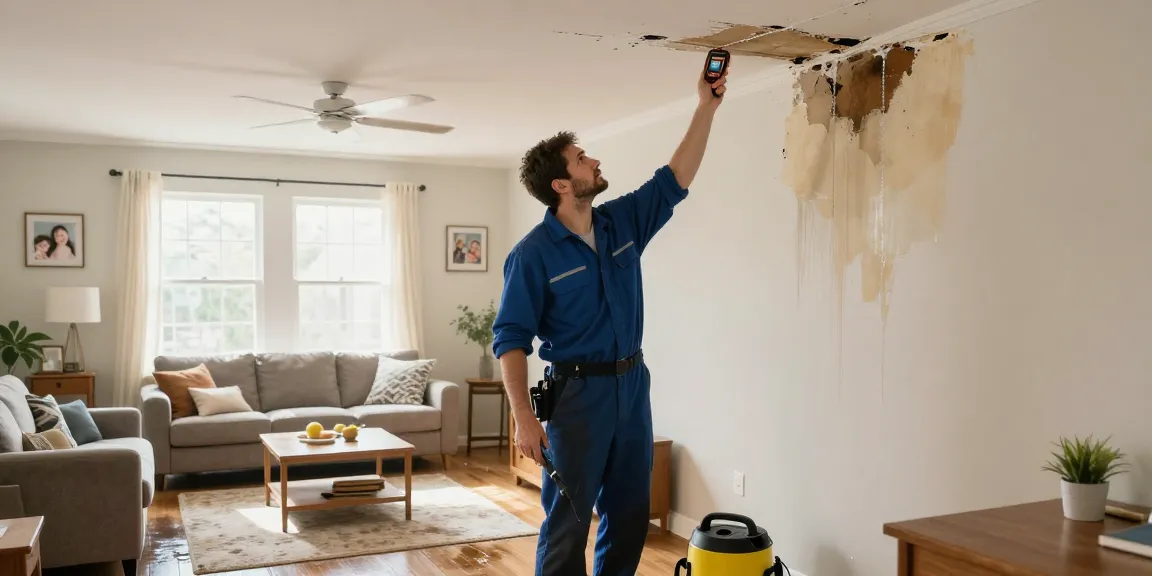
Water damage is one of the most common and devastating challenges property owners face, especially in Chicago and the North Shore areas. From sudden floods to minor leaks, understanding what leads to water damage is crucial for homeowners. Proper preparation and knowledge can significantly mitigate the risks associated with water damage. When exploring options, water damage restoration services provide comprehensive insights into both prevention and recovery strategies.
What Causes Water Damage in Homes?
Water damage can arise from various sources, including:
- Natural Disasters: Heavy storms, floods, and hurricanes can overwhelm drainage systems and cause significant property damage.
- Plumbing Issues: Burst pipes, leaking faucets, or malfunctioning appliances like washing machines can introduce unwanted water into your home.
- Roof Damage: Missing shingles or structural issues can lead to leaks during rain, allowing water to infiltrate your ceilings and walls.
- Humidity and Condensation: High humidity levels can lead to condensation, contributing to moisture problems in crawl spaces and basements.
Effects of Water Damage on Property Structures
The consequences of water damage can be dire, affecting both the aesthetic and structural integrity of your home. Common effects include:
- Mold Growth: Moist environments foster mold and mildew, leading to health hazards and further property deterioration.
- Structural Damage: Prolonged exposure to water can weaken wooden structures, compromise insulation, and damage electrical systems.
- Reduced Property Value: Water damage can lead to decreased market value and can complicate insurance claims.
Common Myths About Water Damage Restoration
Misconceptions abound in the realm of water damage restoration. Here are a few to debunk:
- All Water Damage is the Same: Different types of water (clean, grey, and black) require various restoration techniques.
- DIY Solutions are Sufficient: While minor issues can be addressed independently, professional intervention is crucial for severe water damage.
- Once Dry, the Job is Done: Drying is just one part of restoration; thorough cleaning and sanitizing are essential to eliminate health hazards.
The Critical Steps in Water Damage Restoration
Understanding the restoration process can help homeowners manage expectations and ensure thorough recovery. Here are the critical steps involved:
Initial Assessment: Understanding the Damage
The first step involves a comprehensive evaluation by restoration experts who will identify the extent of the damage and develop an action plan to address it efficiently.
Water Extraction Procedures Explained
Using industrial pumps and vacuums, professionals rapidly remove standing water to minimize damage and prevent mold growth. This step is crucial and must be completed as swiftly as possible.
Drying Methods and Techniques Used by Professionals
Once the water is extracted, the drying phase begins, employing air movers, dehumidifiers, and specialized equipment to ensure all affected areas are thoroughly dried.
Best Practices for Preventing Water Damage
Proactive measures can significantly reduce the chances of water damage. Implementing the following best practices can save you time and money:
How to Identify Vulnerable Areas in Your Home
Regularly inspect your property for signs of wear, especially in the following areas:
- Basements and crawl spaces
- Attics and roofs
- Near plumbing fixtures and appliances
Seasonal Maintenance Tips to Mitigate Risks
Seasonal checks should include cleaning gutters, inspecting roofs, and ensuring proper drainage around your foundation.
Emergency Preparedness for Water-Related Disasters
Having an emergency plan and necessary supplies can make a substantial difference in minimizing damage during unexpected water events.
Selecting the Right Restoration Company
Choosing the right restoration service is critical for effective recovery. Here are key factors to consider:
What to Look for in a Water Damage Restoration Service?
Seek out companies with proven track records, certifications, and appropriate licensing. Reviews and testimonials from past clients can provide valuable insights into a company’s reliability and effectiveness.
How to Evaluate Company Credentials and Experience
Verify credentials through industry associations and ensure the restoration service employs trained and certified technicians.
The Importance of Insurance and Documentation
Having proper documentation and understanding your insurance coverage are vital when facing a water damage situation. This ensures a smoother claims process and provides financial peace of mind.
Future Trends in Water Damage Restoration
The restoration industry is constantly evolving, and current trends indicate a shift towards more innovative practices and sustainable solutions:
Innovative Technologies Transforming Restoration Practices
From advanced moisture detection tools to state-of-the-art drying equipment, technology is enhancing the efficiency and effectiveness of restoration services.
Sustainability in Water Damage Restoration Solutions
Many restoration companies are adopting eco-friendly practices, utilizing sustainable materials and techniques to minimize environmental impact during the restoration process.
What to Expect in the Restoration Industry by 2026?
Expect more automated processes and the use of artificial intelligence to predict risks and streamline recovery efforts.
How Can Homeowners Stay Informed?
Staying informed about new technologies and practices in water damage restoration enables homeowners to make educated decisions regarding their properties. Regular updates from trusted sources can facilitate this knowledge.