
Depression Symptoms You Should Never Ignore Early
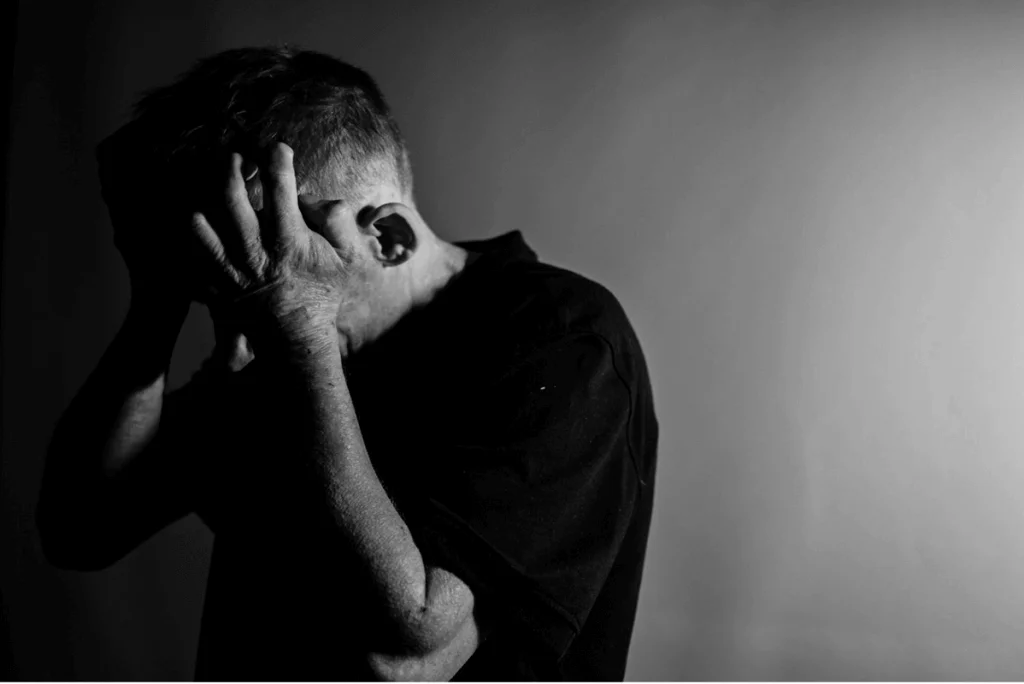
Depression is more than just feeling sad or having a bad day. It is a serious mental health condition that affects how a person thinks, feels, and acts. Recognizing Depression symptoms early is crucial to prevent the condition from worsening and to seek the right support. Understanding these signs can help individuals, families, and communities act before the situation escalates.
Understanding Depression
Depression is a mental health disorder characterized by persistent sadness, loss of interest or pleasure in activities, and a variety of emotional and physical problems. It can affect anyone, regardless of age, gender, or background. The early identification of depression symptoms is essential because it allows timely intervention, which can significantly improve recovery outcomes.
Common Emotional Depression Symptoms
Emotional changes are often the first noticeable depression symptoms. These may include:
- Persistent sadness or emptiness that lasts for weeks
- Frequent crying spells without a clear reason
- Irritability or frustration, even over small matters
- Loss of interest in hobbies, social interactions, or work
- Feeling hopeless, worthless, or guilty most of the time
For example, a high school student who once loved drawing may suddenly lose interest in art and withdraw from friends. This shift in behavior could indicate the presence of depression.
Physical Depression Symptoms
Depression does not only affect emotions; it can also cause physical issues. Common physical depression symptoms include:
- Changes in appetite or weight
- Sleeping too much or too little
- Fatigue or loss of energy
- Unexplained aches, pains, or digestive problems
- Slower movements or difficulty performing daily tasks
An adult employee who constantly feels exhausted and develops frequent headaches may be experiencing physical symptoms of depression, even if they appear “fine” on the outside.
Cognitive Depression Symptoms
Depression often impacts the mind, affecting focus, memory, and decision-making abilities. Cognitive depression symptoms can include:
- Difficulty concentrating or remembering details
- Making decisions slowly or with doubt
- Negative thinking patterns, including self-criticism
- Feeling unable to cope with normal responsibilities
For instance, a college student struggling to focus on assignments or forgetting simple tasks may be showing cognitive signs of depression.
Behavioral Changes Linked to Depression
Changes in behavior are significant indicators of depression. These can include:
- Social withdrawal and avoiding friends or family
- Loss of interest in activities once enjoyed
- Neglecting responsibilities at work, school, or home
- Increased use of alcohol, drugs, or other risky behaviors
Consider a young adult who suddenly stops attending social events or skips work. These behavioral changes may reflect underlying depression and should not be ignored.

Early Warning Signs of Depression
Recognizing early depression symptoms is crucial for timely intervention. Some of these warning signs include:
- Feeling sad or empty most of the day
- Irritability or frequent mood swings
- Loss of motivation and energy
- Changes in sleep and eating patterns
- Difficulty enjoying life or activities once pleasurable
Early recognition allows individuals to seek support from mental health professionals, friends, or family, reducing the risk of more severe depressive episodes.
How Depression Symptoms Affect Daily Life
Depression can interfere with nearly every aspect of life. It can impact work, school, and personal relationships. Some common effects include:
- Reduced productivity and motivation
- Strained relationships with loved ones
- Decreased interest in social and recreational activities
- Increased feelings of isolation and loneliness
For example, someone with depression may find it challenging to complete tasks at work, leading to stress and feelings of failure, which worsen depressive symptoms.
Causes and Risk Factors
Understanding what triggers depression can help in managing its symptoms. Common causes and risk factors include:
- Genetics: A family history of depression can increase risk
- Brain chemistry: Imbalances in neurotransmitters can contribute
- Trauma or stressful life events: Abuse, loss, or major life changes
- Chronic illness or medical conditions
- Personality traits such as low self-esteem or excessive self-criticism
A teenager experiencing bullying at school, combined with a family history of depression, may be at higher risk of developing depressive symptoms early.
Practical Steps to Cope with Depression Symptoms
While professional help is essential, certain practical steps can help manage depression symptoms in daily life:
- Reach out for support: Talk to friends, family, or a mental health professional
- Maintain a routine: Regular sleep, meals, and activities stabilize mood
- Exercise regularly: Physical activity releases endorphins, improving mood
- Limit alcohol and drugs: Substance use can worsen depression
- Practice mindfulness: Meditation, deep breathing, or journaling can reduce stress
- Set small goals: Break tasks into manageable steps to avoid overwhelm
For example, someone feeling hopeless may start by walking for 10 minutes daily, gradually increasing activity levels to improve both physical and emotional well-being.
Professional Help for Depression Symptoms
Seeking professional help is critical for managing depression effectively. Mental health professionals can provide:
- Psychotherapy: Cognitive Behavioral Therapy (CBT) and other therapies
- Medication: Antidepressants when necessary
- Support groups: Shared experiences help reduce feelings of isolation
- Lifestyle guidance: Advice on nutrition, exercise, and stress management
Early intervention increases the likelihood of recovery and helps individuals regain control over their lives.
Real-Life Example
Consider Sarah, a 30-year-old teacher who began feeling exhausted and detached from her students. She lost interest in her hobbies and frequently felt guilty about minor mistakes. Recognizing these depression symptoms, she consulted a psychologist who provided therapy and a structured treatment plan. Within weeks, Sarah noticed improvements in her mood, energy, and focus, highlighting the importance of early recognition and action.
Preventive Measures
Prevention can reduce the risk of depression or its recurrence. Strategies include:
- Maintaining strong social connections
- Developing healthy coping mechanisms for stress
- Prioritizing self-care and work-life balance
- Seeking help early when experiencing emotional distress
Taking proactive steps ensures emotional resilience and better overall mental health.
Conclusion
Understanding and recognizing depression symptoms early can make a significant difference in managing the condition effectively. Emotional, physical, cognitive, and behavioral changes all provide vital clues that should not be ignored. Timely intervention, support from loved ones, and professional guidance are key to recovery. By paying attention to these signs and taking practical steps, individuals can protect their mental health and lead a more fulfilling life. Explore all topics in one place by visiting our homepage.
FAQs
What are the most common early depression symptoms?
Early depression symptoms often include persistent sadness, loss of interest in activities, irritability, fatigue, changes in appetite or sleep, and difficulty concentrating. Recognizing these signs early is crucial for seeking timely help.
How can I help a loved one showing depression symptoms?
Offer support by listening without judgment, encouraging professional help, helping maintain routines, and gently supporting them in daily activities. Avoid dismissing their feelings or pressuring them to “cheer up.”
Can lifestyle changes reduce depression symptoms?
Yes. Regular exercise, healthy eating, sufficient sleep, mindfulness practices, and avoiding alcohol or drugs can help manage and reduce depression symptoms, though professional guidance is often necessary.