Mental Health Tips for Reducing Stress and Anxiety
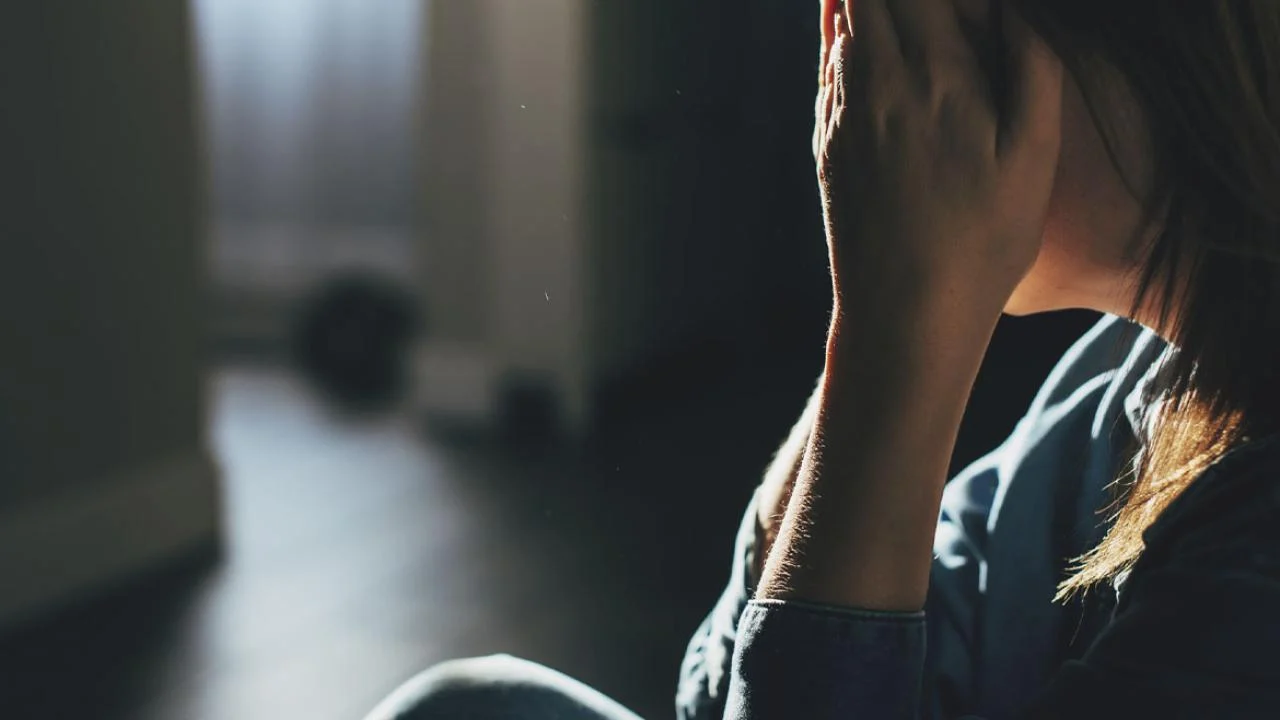
Managing stress and anxiety is a critical component of maintaining overall mental and emotional well-being. At Calm Minds Hub, we provide practical and evidence-based strategies to help individuals navigate the pressures of daily life. Implementing effective Mental health tips can empower you to reduce tension, enhance emotional resilience, and regain a sense of calm in both personal and professional environments.
Understanding Stress and Anxiety
Stress and anxiety are natural responses to challenging situations. Stress typically arises from external pressures, while anxiety often involves internal worries about future events. Although short-term stress can be motivating, chronic stress and persistent anxiety can negatively impact mental and physical health. Understanding the differences and recognizing early signs is the first step toward effective management.
Signs of Stress and Anxiety
- Persistent worry or feeling on edge
- Difficulty concentrating or making decisions
- Physical symptoms such as headaches, muscle tension, or fatigue
- Irritability or mood swings
- Sleep disturbances, including insomnia or restless sleep
Mental Health Tip 1: Practice Mindful Breathing
Mindful breathing is one of the simplest and most effective ways to reduce stress and anxiety. Focusing on your breath helps anchor your mind to the present moment, promoting relaxation and mental clarity.
Techniques for Mindful Breathing
- Sit comfortably and close your eyes.
- Inhale slowly through your nose, counting to four.
- Hold your breath for a count of four, then exhale for a count of six.
- Repeat for five to ten minutes daily to reduce tension.
Mental Health Tip 2: Establish a Daily Routine
A structured daily routine provides a sense of stability and predictability, which is crucial for managing anxiety. When your day has a consistent pattern, your mind feels less overwhelmed by uncertainty.
Steps to Build a Routine
- Wake up and go to bed at consistent times.
- Allocate time for work, meals, exercise, and relaxation.
- Incorporate short breaks throughout the day to recharge.
Mental Health Tip 3: Engage in Regular Physical Activity
Exercise is a natural stress reliever. Physical activity stimulates the release of endorphins, improving mood and reducing anxiety. Even light exercise can have profound effects on mental health.
Recommended Activities
- Walking, jogging, or cycling
- Yoga or Pilates to combine movement with relaxation
- Strength training or bodyweight exercises at home
Mental Health Tip 4: Limit Exposure to Stress Triggers
Constant exposure to stressors can heighten anxiety levels. Learning to set boundaries and limit exposure to negative influences is a vital mental health tip.
Practical Strategies
- Reduce time on social media or news platforms if they increase anxiety
- Politely decline commitments that overwhelm you
- Surround yourself with supportive and positive people
Mental Health Tip 5: Practice Mindfulness and Meditation
Mindfulness meditation promotes mental calmness and emotional regulation. Regular practice can help break the cycle of anxious thoughts and increase self-awareness.
Meditation Practices
- Start with guided meditations for 10–15 minutes daily
- Focus on bodily sensations or your breath to anchor attention
- Use apps or online resources to maintain consistency

Mental Health Tip 6: Prioritize Sleep
Sleep directly impacts emotional regulation and stress resilience. Poor sleep can intensify anxiety, reduce concentration, and lower your ability to cope with challenges.
Tips for Better Sleep
- Maintain a consistent bedtime and wake-up time
- Create a calming pre-sleep routine, such as reading or gentle stretching
- Keep your bedroom dark, quiet, and cool to enhance sleep quality
Mental Health Tip 7: Utilize Relaxation Techniques
Relaxation techniques are essential tools for reducing stress and promoting calmness. Incorporating these strategies into your daily routine can help maintain emotional balance.
Recommended Techniques
- Progressive muscle relaxation to release tension
- Visualization exercises, imagining a peaceful scene
- Listening to calming music or nature sounds
Mental Health Tip 8: Maintain Social Support
Strong social connections provide emotional support and reduce feelings of isolation. Sharing concerns with trusted friends or family members can alleviate anxiety and provide perspective.
Ways to Strengthen Connections
- Schedule regular check-ins with loved ones
- Join social or interest-based groups
- Practice active listening and empathy during conversations
Mental Health Tip 9: Engage in Positive Self-Talk
Negative self-talk can amplify stress and anxiety. Replacing self-critical thoughts with supportive affirmations fosters resilience and improves emotional well-being.
How to Practice Positive Self-Talk
- Identify negative thought patterns and challenge them
- Write down encouraging statements and repeat them daily
- Celebrate small achievements and progress
Mental Health Tip 10: Seek Professional Support
Professional support is vital when stress and anxiety become overwhelming. Therapists and counselors provide strategies, guidance, and coping mechanisms tailored to individual needs.
Accessing Professional Help
- Consult licensed mental health professionals for therapy
- Explore support groups for shared experiences
- Utilize online mental health platforms for accessible resources
Conclusion
Reducing stress and anxiety requires consistent effort and awareness. By practicing mindful breathing, establishing routines, staying physically active, limiting stress triggers, meditating, prioritizing sleep, using relaxation techniques, maintaining social support, engaging in positive self-talk, and seeking professional guidance, individuals can achieve greater emotional stability. Incorporating these mental health tips into daily life enhances resilience, improves mood, and promotes overall well-being. Small, daily actions accumulate to create a more balanced and stress-free life. Ready for more? Visit our homepage for deeper content and new releases.
FAQs
What are the best mental health tips for managing stress?
The most effective strategies include mindful breathing, maintaining a consistent routine, regular exercise, prioritizing sleep, and limiting exposure to stress triggers. These approaches help reduce tension and promote emotional balance.
How can I reduce anxiety naturally without medication?
Natural anxiety reduction methods include mindfulness meditation, physical activity, social support, positive self-talk, and relaxation techniques such as progressive muscle relaxation and visualization exercises.
When should I consult a mental health professional for stress and anxiety?
Seek professional help if stress or anxiety interferes with daily functioning, persists for several weeks, or causes significant distress. Therapists can provide personalized strategies and guidance for effective management.
Contact Us:
Name: Calm Minds Hub
Address: London Eye, Riverside Building, County Hall, Westminster Bridge Rd, London SE1 7PB, United Kingdom
Website: https://calmmindshub.com/