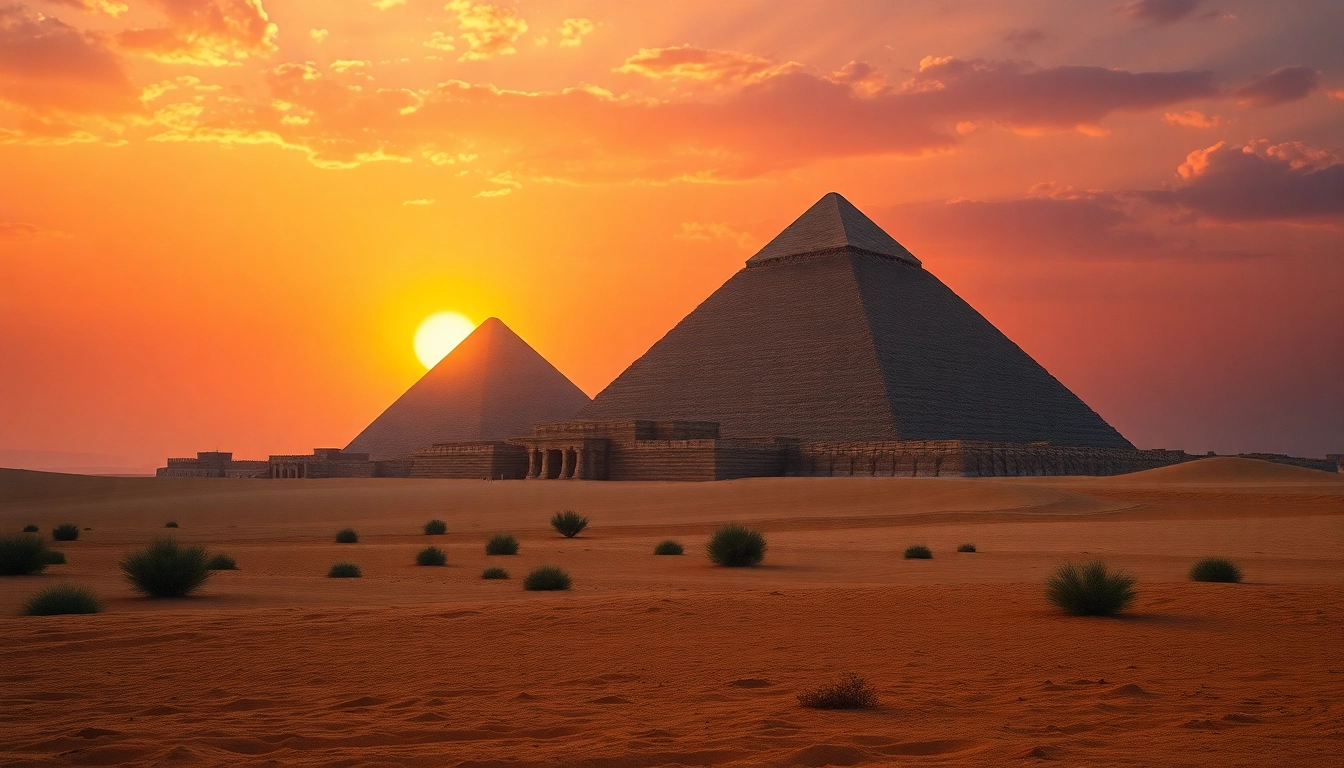
The Historical Context of Piraminds
The piraminds have been a subject of fascination and study for centuries, serving as a gateway into ancient civilizations. These monumental structures have captured our imaginations and shaped our understanding of the cultures that built them. Positioned predominantly in Egypt, these architectural wonders reveal insights into the socio-political and religious dynamics of the time.
Origins and Early Construction Techniques
The origins of piraminds can be traced back to the early dynastic period in Egypt, around 3100 BCE. Initially, they emerged as mastabas, flat-topped structures constructed as burial places for the elite. As evolving architectural techniques advanced, these structures transitioned into the more sophisticated step pyramids, eventually culminating in the true pyramidal form exemplified by the Great Pyramid of Giza.
Constructing a piramid was a monumental task that required ingenuity and organization. Materials such as limestone and granite were quarried and transported using simple tools and techniques. Workers—believed to be skilled laborers rather than slaves—formed teams to move massive stones, using sledges and lubricants like water to reduce friction.
The Role of Piraminds in Egyptian Culture
Piraminds were not just tombs but also served as significant cultural symbols embodying the Egyptians' beliefs about life and the afterlife. They were aligned with astronomical elements and often surrounded by complex funerary temples, which were integral to the religious practices of ancient Egypt. These structures were designed as pathways for the pharaohs' souls to ascend to the heavens, thereby reinforcing the notion of divine kingship.
Moreover, the piraminds played a pivotal role in showcasing the power and wealth of the pharaohs, essentially acting as unmovable statements of their divine authority. Their grandeur sought to ensure that the pharaoh's legacy endured for eternity while acting as a central focus for religious and state activities.
Famous Piraminds Across the World
While the Egyptian piraminds are the most renowned, similar structures can be found globally, each reflecting unique cultural attributes. For instance, the Nubian pyramids of Sudan are smaller yet distinct, known for their steep angles and greater numbers, emphasizing a different approach to burial practices. The Mesoamerican pyramids, such as the Temple of Quetzalcoatl in Teotihuacan and the Pyramid of the Sun, reveal vast cultural complexities and illustrate the importance of mankind's connections with cosmic events.
The piraminds of Mexico, particularly the Pyramid of the Sun and the Pyramid of the Moon at Teotihuacan, serve as a fascinating parallel to ancient Egyptian constructions, offering insight into how ancient societies worldwide manifested shared themes of power, spirituality, and architecture.
Architectural Marvels of Piraminds
Design and Engineering Innovations
The ingenuity behind the architectural design of piraminds is a testament to ancient engineering skills. The precise alignment of the Great Pyramid with the cardinal points of the compass reflects sophisticated understanding of astronomy and geometry. The intricate planning involved in their construction required accurate measurements, making use of simple tools like plumb bobs and leveling instruments.
The incorporation of unique building techniques, such as the corbel arch and the use of massive limestone blocks, allowed for the creation of vast chambers and passageways within these structures. The internal layout was often complex, intended to confuse robbers and protect the burial chambers. The Great Pyramid's grand gallery and the King's Chamber illustrate remarkable engineering prowess, standing the test of millennia.
Materials Used in Piraminds Construction
The materials used in constructing piraminds were selected based on their availability and durability. Limestone, primarily sourced from quarries near the construction site, adorned the exterior of many piraminds, while granite, often transported from Aswan, was used in internal chambers due to its resistance to erosion. The use of mortar, made from gypsum and other volcanic ash, also played a role in binding the stones together.
Modern archaeologists use technology such as neutron radiography and chemical analysis to analyze the composition of ancient building materials, providing insights into the trade and resources available during the construction periods.
Preservation Efforts of Ancient Structures
Preserving piraminds presents significant challenges due to environmental factors like erosion, pollution, and the impact of tourism. Organizations and governments are working tirelessly to promote preservation strategies, using both traditional and modern techniques. Protection efforts include restoring damaged structures, employing protective coatings to reduce weathering, and limiting access to certain areas to prevent wear.
Conservation projects often involve multidisciplinary approaches, engaging experts in archaeology, architecture, and environmental science to create effective, sustainable preservation plans that can protect these ancient wonders for future generations.
The Cultural Impact of Piraminds
Piraminds in Modern Media and Literature
Piraminds have become cultural icons, representing not only architectural achievements but also the captivating stories of ancient Egypt. From films like "The Mummy" to literature reflecting on ancient civilizations, these structures often symbolize mystery and adventure. They serve as backdrops for tales of exploration and discovery, bridging the past with modern interests.
Their presence in global media sparks curiosity and a desire for exploration, often leading to an increase in tourism and interest in Egyptology. The allure of piraminds continues to inspire artists, writers, and filmmakers, ensuring that their cultural significance remains vibrant.
Symbolism Associated with Piraminds
Throughout history, piraminds have symbolized various concepts, from immortality to the divine connection between earth and heaven. Their triadic form represents the Egyptian belief in rebirth, where the pyramid serves as a medium for the soul's ascent. They are often seen as embodiments of stability, representing the eternal nature of the pharaohs and their quest for life beyond death.
In contemporary culture, the symbolism associated with piraminds evokes themes of mystery, exploration, and the unending quest for knowledge. As humanity continues to unravel the secrets tucked away within these monumental structures, they remain a source of fascination and inspiration.
Tourism and Economic Benefits
The tourism industry relies heavily on the allure of piraminds, drawing millions of visitors each year to witness their grandeur firsthand. This influx of visitors supports local economies and contributes significantly to national revenue. The sight of the Great Pyramid, along with the surrounding Giza Plateau, remains a top destination for tourists worldwide.
However, the management of tourism must balance economic benefits with preservation efforts. Sustainable tourism guidelines are being developed to ensure that the influx of travelers does not compromise the integrity of these historical sites.
Scientific Discoveries Related to Piraminds
Recent Archaeological Findings
Recent archaeological expeditions have led to groundbreaking discoveries that enhance our understanding of piramid construction and the socio-political contexts of ancient Egypt. Technologies like ground-penetrating radar have revealed hidden structures and chambers beneath well-known piraminds, offering new avenues for research and exploration.
What was once thought to be a simple burial structure is now understood to be a complex reflection of the civilization's beliefs, practices, and technological capabilities. Findings such as the remains of ancient work camps and tools used by laborers provide insights into the daily lives of those who dedicated their efforts to construct these monumental structures.
Technological Innovations in Piramids Research
The application of modern technology has revolutionized piramids research. Remote sensing, drones, and 3D scanning techniques enable archaeologists to survey sites without invasive excavation. Detailed digital models can be created, aiding in the study of architectural designs, and monument features.
Moreover, the collaboration between archaeology and engineering has led to innovative preservation strategies, enhancing our ability to maintain these ancient artifacts while ensuring their continued study and appreciation.
Ongoing Mysteries Surrounding Piraminds
Despite extensive research, many mysteries still surround piramids. Questions about how the massive stones were transported and precisely aligned remain subjects of debate and inquiry. Ongoing studies focus on uncovering unanswered questions related to techniques used, labor organization, and the underlying purposes of these monumental structures.
As investigations continue, new revelations may challenge or confirm existing narratives, deepening our appreciation for these extraordinary achievements of human endeavor.
Visiting Piraminds: Tips and Insights
Best Times to Visit Historical Sites
When planning a visit to piraminds, consider the seasonal climate patterns. The best months for tourism generally fall between October to April when temperatures are cooler and more comfortable for exploration. Traveling during off-peak seasons allows for a more personalized experience, with fewer crowds to navigate.
Moreover, early morning or late afternoon visits allow for stunning lighting conditions for photography while also providing a more tranquil atmosphere to appreciate these magnificent structures.
What to Expect When Exploring Piraminds
Visitors to piraminds can expect a rich cultural experience filled with historical context. Engaging guides often provide insights into the intricate details of construction and the significance of these monuments. Dress comfortably, wear sunscreen, and be prepared for an engaging journey through time, as you'll be walking through pathways that echo the footsteps of ancient Egyptian civilization.
Many sites also have amenities such as informational displays, allowing visitors to deepen their understanding of the region's history. Be respectful of the sites and follow guidelines ensuring the preservation of these treasures.
Engaging Activities for Visitors
While visiting piraminds, numerous activities can enrich the experience. Consider booking guided tours that include lesser-known sites, or participate in archaeological workshops to gain insights into research practices. Hot air balloon rides offer breathtaking views of the Giza Plateau and its iconic pyramids.
Additionally, engaging with local artisans can provide a connection to the present-day cultural heritage of Egypt, blending ancient history with modern creativity. And don’t forget to indulge in local cuisine to complete your journey through this astonishing land.
Frequently Asked Questions
What is the main purpose of piraminds?
Piraminds primarily served as tombs for pharaohs and elites, intended as gateways to the afterlife, symbolizing power and religious beliefs.
How were the pyramiids constructed?
Construction involved skilled labor, using simple tools to transport massive stones from quarries, guided by an intricate organizational system.
Can you enter the pyramids?
Yes, many pyramids have interior chambers that can be accessed, although restrictions may apply for preservation purposes.
Where are most famous pyramids located?
The most renowned pyramids are located in Egypt, particularly at the Giza Plateau, including the Great Pyramid, the Pyramid of Khafre, and the Pyramid of Menkaure.
What innovations did pyramids introduce?
Pyramids showcased significant architectural innovations, such as precise alignment with the stars, advanced stone-cutting techniques, and complex burial chambers.